Table of Contents
Understanding Medicare and Medicaid Fraud
The Role of Whistleblowers
Legal Protections and Incentives
Notable Cases and Their Impact
Challenges Faced by Whistleblowers
Support Systems and Resources
Conclusion
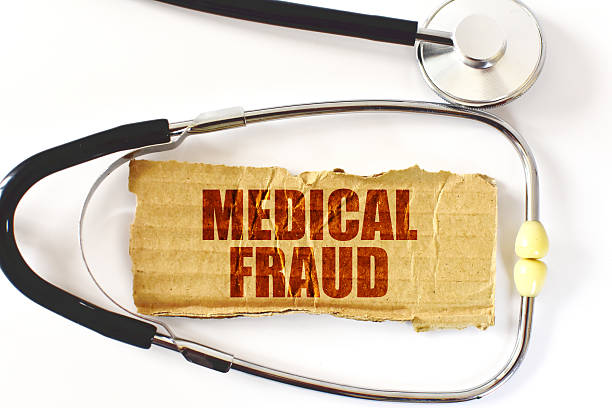
Each year, Medicare and Medicaid fraud diverts billions of dollars from programs intended to help vulnerable patients. This type of corruption not only drains vital public resources but also threatens the quality of care that Americans receive. Whistleblowers are a crucial line of defense against this misuse of public funds, as they often come forward with firsthand knowledge of illegal billing schemes and deceptive practices. Individuals considering reporting Medicare fraud can play a pivotal role in restoring integrity to healthcare programs and ensuring accountability for wrongdoers. Healthcare fraud includes a wide range of deceptive actions by healthcare providers and organizations. Common scenarios involve billing for procedures that were never performed, charging excessive fees, or delivering unnecessary treatments to maximize profits. These actions not only harm taxpayers but can also put patients at unnecessary risk, diverting resources away from legitimate treatments and care.
The complex nature of Medicare and Medicaid billing means that fraud can go undetected for years. Internal employees, coding specialists, and administrators who deal with daily billing may be the only ones able to recognize and document fraudulent behavior. Without whistleblowers, many of these schemes would persist unchecked, further eroding trust in healthcare institutions. When fraud is exposed and reported, it sends a message that unethical behavior will not be tolerated. Not only do these actions hold wrongdoers accountable, but they also help recover misappropriated money, making more funds available for genuine patient care. For anyone considering a report, guidance is available to navigate the legal and ethical complexities of the process, and support systems have grown stronger in recent years. For background on how such programs operate nationwide, the U.S. Department of Justice’s False Claims Act resource provides an overview of relevant federal enforcement efforts.
Understanding Medicare and Medicaid Fraud
Medicare and Medicaid are government programs that provide essential healthcare to specific groups, such as seniors, people with disabilities, and low-income families. Fraud within these programs typically involves submitting false or inflated claims to receive unwarranted payments from government funds. Some providers may bill for patient visits or procedures that never occurred, while others manipulate patient diagnoses to inflate payments.
The consequences extend beyond financial harm. Patients may receive unnecessary medical interventions, exposing them to risks without need. Additionally, fraudulent activities can crowd out legitimate care, making it harder for honest providers to compete and ensure patients' well-being.
The Role of Whistleblowers
Whistleblowers are frequently employees, contractors, or business partners with inside knowledge of billing practices, documentation, or service delivery in healthcare organizations. They may notice unusual billing patterns, such as consistently inflated charges or codes that do not reflect the services actually provided. With unique access to internal records, they are in a position to collect evidence and report it to authorities.
Their courage in coming forward is central to exposing widespread fraud. In many cases, whistleblowers are the only people aware of the problem, and their reports are the catalyst for investigations that can recover millions or even billions in public funds.
Legal Protections and Incentives
The False Claims Act is a federal law that not only empowers whistleblowers but also protects them. Under this law, whistleblowers (formally known as "relators") can bring lawsuits on behalf of the government when they discover fraud. If the case is successful, whistleblowers may receive a share of the recovered monies, usually 15% to 30%. This financial reward serves as a strong incentive to encourage individuals to report wrongdoing.
In addition to monetary incentives, the law includes provisions to protect whistleblowers against retaliation. Employers are prohibited from firing, demoting, harassing, or otherwise discriminating against individuals who report fraud. Those who face retaliation can seek remedies such as reinstatement, back pay, and compensation for damages.
Notable Cases and Their Impact
Whistleblowers have helped bring some of the most significant healthcare fraud cases to light. For example, a renowned clinical laboratory agreed to pay $325 million to settle allegations of fraudulent billing to Medicare after a whistleblower provided key evidence to investigators. These high-profile cases illustrate the vital role that individuals play in the fight against fraud and show how collective efforts can drive change in an industry susceptible to abuse. Comprehensive coverage of other major whistleblower cases can be found through The New York Times health section, which tracks national impacts on healthcare policy and enforcement.
Challenges Faced by Whistleblowers
Reporting fraud is not an easy decision. Despite the legal protections, whistleblowers may experience professional isolation, damage to their reputation, or other forms of retaliation. The stress and uncertainty that come with standing up to powerful institutions can weigh heavily on these individuals, making their role in protecting public resources all the more commendable. Navigating complex investigations, legal hurdles, or internal pressure also poses significant risks. Support from colleagues, legal professionals, and advocacy groups is critical during this process.
Support Systems and Resources
Organizations such as the National Whistleblower Center and specialized law firms offer vital support, including guidance and legal representation for those considering exposing fraud. Whistleblowers are encouraged to seek counsel early in the process, as experienced attorneys can help maximize their chances of a successful outcome while protecting them from possible repercussions. Additional resources, including state and federal agencies, offer hotlines, reporting tools, and support networks dedicated to rooting out Medicaid and Medicare fraud. By leveraging these systems, whistleblowers can act with confidence, knowing their rights and contributions are valued.
Conclusion
Whistleblowers play a critical role in exposing Medicare and Medicaid fraud, safeguarding taxpayer funds, and ensuring patients receive the care they deserve. Their courage and dedication help preserve the integrity of government healthcare programs and set a strong example for others. With robust support and legal protections, more individuals may find the confidence to come forward, amplifying the positive impact of whistleblowing on healthcare in the United States.
 Supriyo Khan
 Supriyo Khan
 Supriyo Khan
 Supriyo Khan

Want to add a comment?