Key Takeaways
Preschool tuition often focuses on foundational literacy and numeracy through structured teaching methods that may not always be possible in larger preschool classrooms.
Small-group learning environments allow tutors to identify and address individual learning gaps early.
Preschool tuition also develops learning discipline, including listening, focus, and classroom routines that prepare children for Primary 1.
Many parents enrol their children in preschool tuition to strengthen early academic foundations before formal schooling begins. While preschools already provide structured education, classroom environments often involve larger groups and a broader developmental curriculum that includes social interaction, play-based learning, and emotional development. Due to this, certain academic skills may not receive extended individual attention.
This instance is where a tuition centre in Singapore can play a complementary role. Rather than replacing preschool education, preschool tuition usually focuses on reinforcing specific academic competencies such as early literacy, numeracy, and classroom discipline. These programmes are typically designed to support young learners in building skills that will become increasingly important when they transition into primary school.
The following sections explain three areas that children commonly develop during preschool tuition that may not always receive the same level of focus in a regular preschool environment.
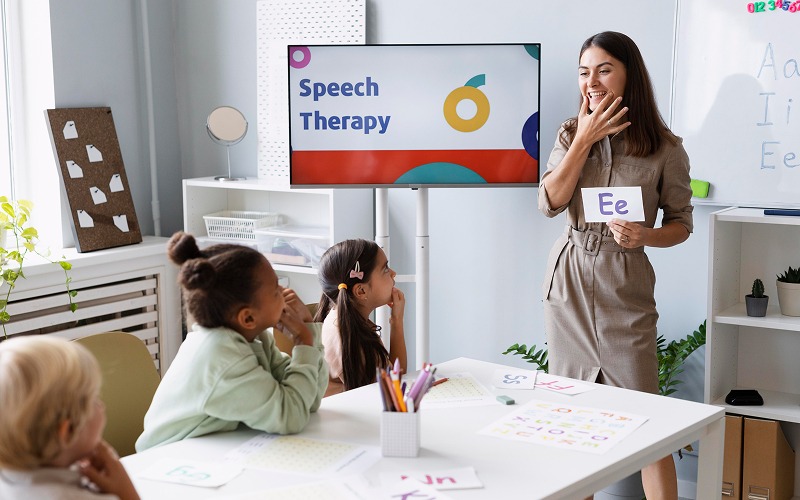
One of the most common areas emphasised during preschool tuition is phonics and early reading development. Literacy activities are integrated into broader play-based learning sessions in many preschool classrooms, where children explore language through songs, storytelling, and group reading. While these activities help develop familiarity with language, they may not always provide enough structured phonics practice for every child.
Tutors often adopt a more systematic approach to phonics instruction. Children may learn letter sounds, blending techniques, and simple word decoding through guided exercises. Lessons often involve repeated practice with sound recognition, word building, and early sentence reading.
Since preschool tuition typically operates in smaller groups, tutors can monitor each child’s reading development more closely. Once a child struggles to recognise certain sounds or words, tutors can provide targeted reinforcement during the session. Over time, this consistent exposure helps children build stronger reading confidence before they begin primary school literacy programmes.
Another skill frequently developed in preschool tuition is early numeracy. Preschool classrooms usually introduce numbers through songs, games, and hands-on activities. While this approach supports general familiarity with numbers, some children may benefit from additional guided practice in recognising number patterns and solving simple problems.
A tuition centre often introduces basic mathematics concepts through structured exercises designed for young learners. These may include number sequencing, simple addition and subtraction, pattern recognition, and basic problem-solving tasks. Tutors typically break down concepts into smaller steps to ensure children understand how numbers relate to each other.
This structured exposure can help children build stronger confidence when working with numbers. For example, rather than simply counting objects, children may begin to understand how quantities change when items are added or removed. Such early mathematical thinking becomes useful when children encounter more formal mathematics instruction during primary school.
Beyond academic content, preschool tuition often helps children develop learning discipline and classroom readiness. Many preschool environments emphasise play-based learning and social interaction, which are essential for emotional and social development. However, these settings may not always replicate the structured learning expectations that children encounter later in primary school.
Tutors, during preschool tuition sessions, typically guide children through more focused learning routines. These routines may include listening to instructions, completing short tasks independently, and maintaining attention during guided activities. Over time, children begin to understand the structure of a lesson and the expectations associated with completing tasks.
Tutors may also encourage children to practise skills such as following multi-step instructions, raising questions when confused, and staying engaged during short learning periods. These behavioural habits gradually help children adapt to a more structured classroom environment.
Developing these habits early can reduce the adjustment period when children move into formal schooling. Instead of encountering structured learning for the first time in Primary 1, children who attend preschool tuition may already be familiar with the expectations of a lesson-based environment.
Preschool education provides essential foundations for young learners, particularly in areas such as social interaction, creativity, and emotional development. However, academic skill development may vary depending on class size, curriculum priorities, and the pace of individual learners. That said, for some families, preschool tuition serves as a supplementary learning environment that reinforces key academic competencies.
Through focused phonics instruction, structured early mathematics practice, and the development of classroom discipline, preschool tuition helps children strengthen skills that support future learning. Once delivered in a supportive and age-appropriate manner, programmes offered by a tuition centre can complement preschool education and help young learners transition more smoothly into the structured academic expectations of primary school.
Contact Learning Point to schedule a consultation with our team and discover how the right early support can build strong foundations before Primary 1 begins.
 Supriyo Khan
 Supriyo Khan
 Supriyo Khan
 Supriyo Khan
Want to add a comment?