Table of Contents
Mental Health Benefits
Physical Health Improvements
Combating Loneliness
Cognitive Enhancement
Popular Social Activities in Senior Communities
The Role of Technology in Facilitating Social Engagement
Creating Inclusive Environments for All Seniors
Conclusion
Engaging in social activities is a cornerstone of vibrant senior living, offering countless advantages that contribute to a happier, healthier lifestyle for older adults. From forming lasting friendships to improving both mental and physical well-being, actively taking part in community events is central to a fulfilling retirement. Those who explore options such as an Assisted living community in New City often discover the true value of meaningful daily interactions and shared experiences.
Participation in group settings is especially important as it helps seniors maintain essential connections, feel more energized, and keep their minds sharp. In today’s ever-evolving senior living landscape, quality communities make social engagement a top priority, recognizing its critical role in holistic wellness for their residents.
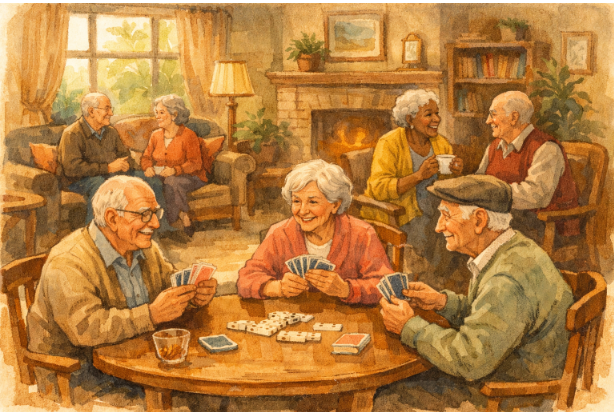
Socialization also fosters a sense of belonging. It helps residents stay connected with their peers and the broader community, leading to improved confidence and an increased willingness to pursue new interests. With engaging activities available regularly, seniors find it easier to maintain an active lifestyle and avoid isolation.
Modern assisted living communities create vibrant and supportive environments where social activities are carefully planned to suit various interests and needs. These experiences not only support cognitive and emotional health but also keep life exciting, enjoyable, and full of purpose.
Mental Health Benefits
Engaging in social activities contributes significantly to the mental health of seniors. Group events, creative workshops, and casual social hours all provide spaces for older adults to share experiences, express themselves, and find emotional support among peers. Regular social engagement has been shown to ease symptoms of depression and anxiety, which can be prevalent in older populations. Feeling part of a community often leads to a more optimistic outlook and greater emotional resilience.
Physical Health Improvements
Many social activities are designed to encourage movement, whether through group fitness classes, dance nights, or simple strolls with friends. Such activities not only help with flexibility and strength but can also improve cardiovascular health. Participation in these exercise-based programs often makes it easier for seniors to remain active, reduce fall risk, and enjoy better physical health for longer. Organizing regular group activities also motivates residents to adhere to healthy routines.
Combating Loneliness
Loneliness can be a major concern among older adults, particularly those who have limited family interactions or who have recently experienced life changes. Senior living communities make concerted efforts to ensure residents feel included by offering numerous opportunities for socializing and meaningful connections. For example, Evergreen Place in Brockport, NY, features innovative cross-programming that brings together residents from assisted living and memory care wings, fostering camaraderie and a genuine sense of purpose for all involved.
Cognitive Enhancement
Social activities with mental stimulation play a crucial role in cognitive health. Programs such as trivia nights, board games, educational seminars, and arts workshops encourage seniors to think critically and exercise their mental faculties. Research highlighted by the National Institute on Aging supports the idea that consistent social interaction, along with mental challenge, can delay cognitive decline. The activity theory of aging suggests that maintaining strong social connections is essential to positive aging outcomes, promoting not only brain health but also a sense of agency and satisfaction in everyday life.
Popular Social Activities in Senior Communities
Movie nights
Trivia competitions
Book clubs
Live music performances
Group outings to local attractions
These activities allow community members to explore new hobbies, reconnect with old interests, and bond with fellow residents, enriching the fabric of daily life in senior living environments.
The Role of Technology in Facilitating Social Engagement
Technology has opened new horizons for social interaction among seniors. Interactive tools such as the "Magic Table" use light projections and sensory games to encourage physical activity, engagement, and social connection, especially for those living with cognitive impairments. Video calls and social networking platforms help residents stay in touch with loved ones, join virtual events, and remain connected with their communities.
Creating Inclusive Environments for All Seniors
Senior communities must prioritize inclusivity by offering programs suitable for different interests and abilities. This means providing both high-energy group activities and calmer, quieter gatherings, making sure everyone has a way to engage. Accessibility is essential, so activities are designed for universal participation regardless of mobility or cognitive differences, ensuring every resident feels welcome and valued.
Conclusion
Social activities form the heart of a fulfilling senior living experience, impacting mental, physical, and emotional well-being. By creating environments that prioritize engagement and inclusivity, assisted living communities empower their residents to thrive, forming lasting bonds and memories along the way. Choosing a community that invests in meaningful social experiences can truly enhance the golden years of life, making each day brighter and more rewarding.
 Supriyo Khan
 Supriyo Khan
 Supriyo Khan
 Supriyo Khan

Want to add a comment?