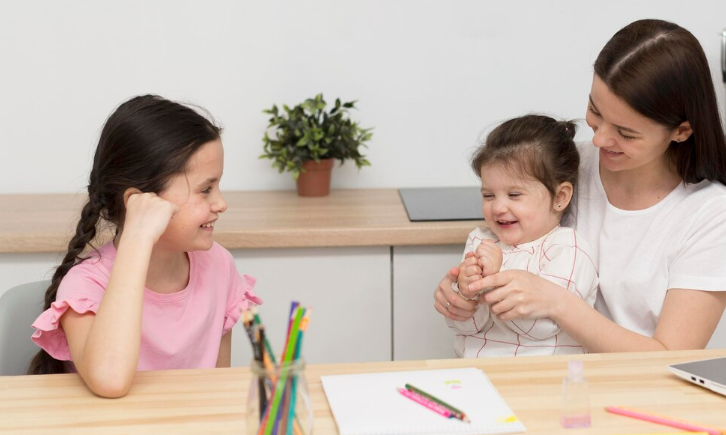
Sending your child to a childcare facility is a major milestone for any family. Whether it is their first time away from home or they are preparing to transition into primary school, the shift brings a mix of excitement and anxiety for everyone involved. One of the most effective ways to ensure a smooth, positive transition is by establishing a strong, collaborative relationship with the educators who will be guiding your child's daily experiences. Open, consistent communication between home and the learning environment is not just about staying updated on daily activities. It is a critical component of your child's overall early development and emotional wellbeing.
According to the updated Early Years Learning Framework for Australia, secure and reciprocal relationships form the absolute bedrock of a child's sense of identity and capacity for learning. This means that the dynamic between parents and educators directly impacts how comfortable a child feels in their new environment. Whether you are settling your child into a local early learning Ryde centre or exploring preschools closer to your workplace, clear communication from day one is essential. Sharing details about your child's sleep routines, favourite comfort items, and current interests helps educators tailor their approach to suit your family's unique needs. Authentic partnerships extend well beyond simply receiving daily behaviour updates. Quality frameworks encourage parents to actively contribute family traditions and suggestions to help shape the curriculum.
Sustained educational research shows that children achieve better developmental and social outcomes when their families maintain an active, communicative role in their early education. When parents and educators align their expectations and routines, it establishes a safe, predictable environment for the child. This consistency significantly lowers separation anxiety and builds emotional resilience, especially for toddlers who are adjusting to formal care settings. Research and best practice guidelines emphasise that an effective partnership between home and the early learning environment strengthens everyone's ability to support the child's learning, development and wellbeing.
Furthermore, as children grow older, this collaborative approach becomes vital for future success. In New South Wales, for example, the Transition to School Digital Statement requires joint input from both educators and parents, ensuring the child enters primary school confident and socially prepared.
Navigating drop-offs and pick-ups can be chaotic, making it difficult to have lengthy conversations with childcare staff. Fortunately, Australian early learning centres now utilise a blend of face-to-face interactions and secure digital platforms to keep families connected.
To build effective communication habits, consider the following practical strategies:
Utilise digital portfolios: Make it a habit to regularly check secure platforms like Storypark or Xap to view real-time learning updates, developmental milestones, and daily routines.
Share weekend highlights: Briefly mention a fun weekend activity during Monday morning drop-off. This gives educators a great conversation starter to use with your child throughout the day.
Schedule dedicated catch-ups: If you need to discuss specific developmental milestones or behavioural concerns, arrange a formal meeting time rather than trying to chat during the busy pick-up rush.
Be honest about changes at home: A new sibling, a move, or even a poor night of sleep can heavily affect your child's mood. Sharing this context allows educators to provide extra support and patience if needed.
At the heart of any successful partnership is a profound sense of mutual respect and gratitude. Early childhood educators work tirelessly behind the scenes to create nurturing, stimulating, and inclusive spaces where children can thrive safely. Acknowledging their hard work and dedication fosters a positive, trusting relationship that ultimately benefits your child's overall experience at the centre. When parents show they recognise the effort required to manage a busy classroom, educators feel supported and motivated.
Taking a few moments to express your gratitude can make a world of difference to a hardworking professional. For instance, putting pen to paper and writing a thoughtful thank you note to daycare teacher professionals helps solidify the interpersonal bond between your family and the staff. When educators feel valued, it encourages an even more open and enthusiastic dialogue about your child's daily achievements.
Building effective communication habits with your child's early educators takes time and intentional effort. By combining brief face-to-face check-ins with active participation in digital updates, you create a seamless bridge between your home and the classroom. This collaborative approach not only gives you peace of mind but also provides your child with the secure, supportive foundation they need to flourish during their early learning journey.
 Supriyo Khan
 Supriyo Khan
 Supriyo Khan
 Supriyo Khan

Want to add a comment?