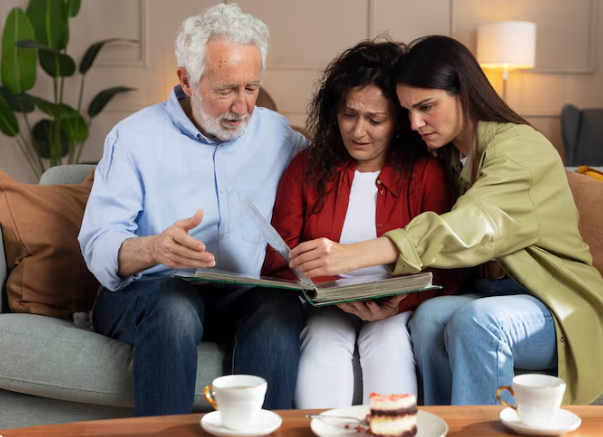
Watching a parent grow older is a profound experience that often brings a significant shift in family dynamics. As roles begin to reverse, adult children frequently find themselves worrying about their parents' physical safety and overall well-being. According to 2024 data from the CDC, more than one in four older adults report falling each year, totaling roughly 14 million individuals. Despite this staggering number, less than half of these individuals discuss mobility incidents with their doctors. Bringing up the need for a walking aid is rarely easy, but it is a necessary conversation for their long-term health and safety.
Conversations about physical decline can feel deeply threatening to an older person's sense of self-reliance. It is essential to approach the topic with profound empathy rather than presenting an aggressive list of demands. Navigating these major life transitions requires patience, privacy, and a highly structured approach. Before you initiate the talk, it is incredibly helpful to review strategies on how to handle difficult discussions with care and build a clear family plan for safer aging, care, and money. Proper preparation ensures you speak from a place of love and collaborative concern rather than parental frustration.
It is also important to recognize why there is so much emotional resistance in the first place. Sociological studies indicate that traditional, clinical-looking walking devices act as stigma symbols that evoke feelings of frailty and dependency. In fact, researchers at Michigan State University discovered that the majority of older adults who suffer a fall are not using their prescribed walking device at the time, even when they own one and openly acknowledge its benefits. Understanding this mental block is the first step toward having a productive dialogue.
A comprehensive 2024 study by University College London found that 61 percent of older adults with mobility difficulties actively avoid support aids. The study highlighted that women are especially impacted by the visibility of physical impairments. Instead of pushing a hospital-grade aluminum walker, families can look toward inclusive design trends to ease the transition. Presenting beautifully crafted canes for ladies transforms the device from a medical burden into a sophisticated lifestyle accessory. When a physical support tool looks like a customized fashion statement, the anxiety surrounding its use decreases significantly.
The global market for adaptive fashion is surging, and a recent survey revealed that user anxiety drops when devices feature modern aesthetics. We are seeing major cultural shifts where functional support devices seamlessly double as luxury accessories, removing the shame entirely. For many individuals, simply having a choice in the color, material, and handle style makes the reality of using a walking stick far more palatable.
The ultimate goal of any mobility device is to extend a person's independence rather than to limit it. When adult children suggest using a walking stick, the parent often hears that they are losing control over their daily lives. Validation of these fears is absolutely vital. Caring for older relatives means acknowledging their lifelong self-sufficiency, and preserving the dignity of our aging parents is crucial to keeping their mental health strong during these transitions. Framing the support aid as an empowering tool for continued freedom reduces emotional friction and helps maintain a healthy parent and child bond.
You can gently remind them that avoiding mobility assistance might actually restrict their world. Without proper balance support, they may start skipping social events or local outings out of a fear of falling. By embracing a stylish mobility aid, they are actively choosing to stay engaged with their community, their hobbies, and their family.
When you are ready to sit down and discuss mobility changes, keeping a few actionable strategies in mind will help keep the peace and encourage acceptance.
Choose a neutral and comfortable setting. Never initiate a conversation immediately after a fall or an accident, as emotions will be running too high. Pick a quiet afternoon when everyone is relaxed.
Focus on shared lifestyle goals. Frame the walking stick as a way to ensure they can still easily attend family gatherings, walk through the local park, or browse their favorite stores without feeling fatigued.
Highlight modern aesthetic options. Point out that modern manufacturing has moved far away from sterile gray rubber. You can even mention recent cultural milestones, like actress Selma Blair confidently carrying a custom, diamond-encrusted cane to a major Oscars party.
Let them make the final choice. Present a few highly reviewed, lightweight options featuring custom woodwork or vibrant colors, and allow your parent to select the design that best fits their personal identity.
Helping an aging parent accept mobility assistance does not have to be a battle. By approaching the topic with deep empathy, acknowledging the real psychological impact of stigma, and offering aesthetically pleasing alternatives, you can help your loved ones walk confidently into their next chapter of life.
 Supriyo Khan
 Supriyo Khan
 Supriyo Khan
 Supriyo Khan
Want to add a comment?