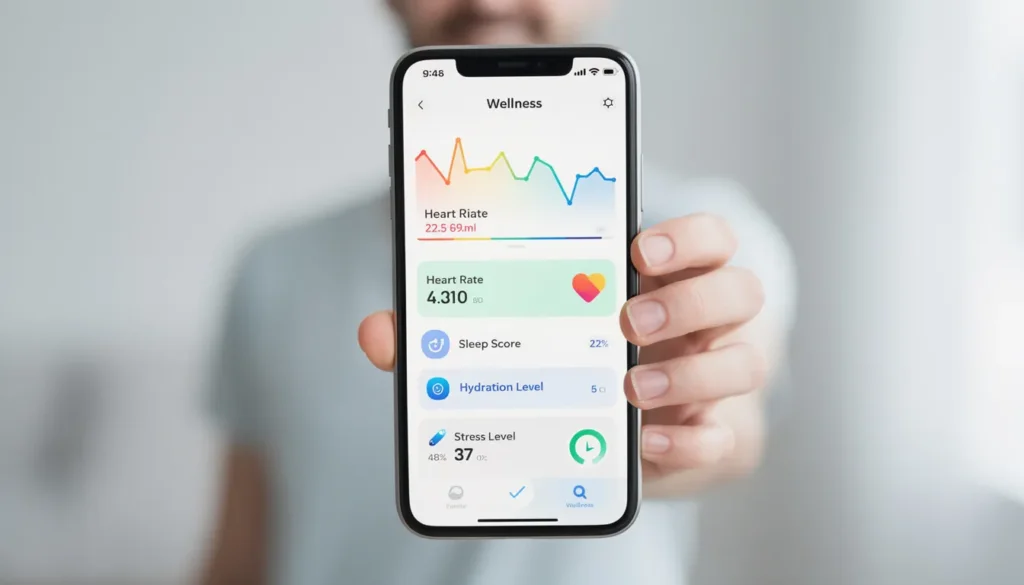
The days of generic health advice are over. Between 2020 and 2025, health apps evolved from simple step counters and calorie loggers into sophisticated AI-driven coaching platforms that adapt to your unique biology, behavior, and goals. By 2026, the global mobile health market is projected to exceed $200 billion, with personalized wellness apps leading that growth. What changed? Everything. Wearable devices now penetrate over 30% of the consumer market. Continuous glucose monitors moved from diabetic patients into mainstream metabolic optimization. Mental health apps gained clinical validation and insurer backing. And artificial intelligence matured enough to deliver genuinely individualized recommendations rather than cookie-cutter advice. This article focuses on specific, real apps available or scaling by 2026—not vague concepts or prototype ideas. These are tools you can download, configure, and use to transform how you manage your personal health. One standout example is Simple, a data-driven metabolic health coaching app that combines logging, behavior analysis, and personalized education to guide weight management and habit formation. The key personalization vectors driving this revolution include genetics, biomarkers from lab tests and wearables, continuous data streams from smart devices, behavioral patterns learned over time, and real-time mental health signals. Together, they create a health profile that’s uniquely yours. What you’ll learn in this article: Best personalized health apps across 10 categories for 2026 Who each app is designed for and what makes it different How modern apps use AI, sensors, and data for hyper-personalization Privacy and regulatory considerations you need to understand How to choose the right app stack without overwhelming yourself How We Selected the Best Personalized Health Apps for 2026 Selecting the best healthcare apps for this guide required a rigorous evaluation process. Our core criterion was simple: how deeply and effectively does the app personalize its experience to the individual user? Generic advice engines didn’t make the cut, no matter how polished their interfaces. Here are the specific selection criteria we applied: Evidence-backed results: Apps needed clinical trials, peer-reviewed studies, or published user outcomes demonstrating effectiveness—not just marketing claims Depth of personalization: We prioritized apps using continuous data (like glucose readings from continuous glucose monitors) over those relying on single daily check-ins Data security and privacy: HIPAA compliance in the U.S., GDPR adherence in the EU, and transparent data handling practices were non-negotiable User experience: Even powerful apps fail if people abandon them; we evaluated onboarding, daily friction, and long-term engagement Platform availability: iOS and Android support was required, with bonus consideration for deep integration with Apple Health, Wear OS, Oura, WHOOP, and Garmin ecosystems Geographic reach: Priority went to apps available across multiple regions (U.S., EU, U.K., Australia) with clear 2024–2026 development roadmaps A critical note: no app on this list replaces your primary care physician or medical professionals. Where apps hold FDA clearance, CE marking, or other regulatory designations, we’ve noted that. But these are tools for empowerment, not substitutes for medical care. The best personalized health coach apps function as central operating systems for your wellness—integrating health data across wearable devices, manual logging, and behavioral patterns into one coherent experience. These aren’t single-purpose tools; they’re comprehensive platforms that learn how you live and adapt their guidance accordingly. Simple stands out as a leading personalized metabolic health and weight management app. What makes Simple different is its focus on habit formation through behavior data analysis combined with educational content that adapts to your progress. Rather than just tracking what you eat, Simple uses your logging patterns, responses to different foods, and lifestyle habits to deliver personalized coaching that evolves over time. The UX prioritizes clarity—you get actionable feedback loops without drowning in data. For anyone focused on sustainable weight management and healthier habits, Simple offers an accessible entry point that doesn’t require expensive hardware. Apple Health (with personalized trends in iOS 18+) has transformed from a data repository into an active health insights engine. The 2025–2026 updates introduced adaptive health goals that adjust based on your historical patterns, surfacing correlations between sleep, activity, and mood that most users would never spot on their own. It works best for users already in the Apple ecosystem with an Apple Watch. Google Health Connect serves as the Android equivalent, now offering personalized trend analysis across connected apps and devices. Its strength lies in aggregating data from diverse sources—Fitbit, Samsung Health, third-party apps—into unified health insights without locking you into one hardware brand. Noom continues to evolve its psychology-based approach, using behavior-change science to personalize not just what you should do, but how to make those changes stick. Its 2025 AI coaching features analyze your response patterns to different intervention styles and adjust accordingly. For each of these apps, the 2024–2026 period brought significant AI upgrades: dynamic goal adjustments that respond to your actual behavior rather than arbitrary targets, meal and activity suggestions timed to when you’re most likely to follow through, and nudges calibrated to your demonstrated preferences. Personalized nutrition has moved far beyond calorie counting. The rise of CGM-based coaching, microbiome insights, and AI-powered meal scoring means your nutrition coaching can now respond to how your individual body processes food—not population averages. Simple appears again in this category because metabolic health is its core focus. The app combines food logging with behavior pattern analysis to deliver personalized guidance on meal timing, food choices, and sustainable habit building. Unlike data-heavy alternatives, Simple prioritizes accessibility—you don’t need expensive sensors to get started, making it ideal for users who want effective personalization without a steep learning curve or hardware investment. Levels pioneered the CGM-for-wellness movement, using continuous glucose monitoring data to show exactly how different foods affect your blood sugar. By 2026, their algorithms have refined to the point where they can predict your glucose response to novel meals based on your historical patterns. Best for quantified-self enthusiasts willing to invest in CGM sensors and monthly subscriptions. Zoe takes personalization further by combining CGM data with microbiome testing and blood fat analysis. Their 2024 expansion brought more granular food scoring based on your individual gut bacteria profile. The trade-off is cost and complexity—this is a commitment, not a casual experiment. MacroFactor appeals to users who want precision nutrition without wearable sensors. Its adaptive algorithm learns your actual metabolism over time, adjusting calorie and macronutrient targets based on your logged intake and weight trends rather than generic formulas. The 2025 update added personalized meal suggestions based on your logged preferences and nutritional gaps. Cronometer excels at micronutrient personalization, tracking vitamins and minerals with granularity that most apps ignore. For users managing specific deficiencies or optimizing for performance, it offers depth that mainstream calorie trackers lack. The key distinction in this category is between data-heavy apps (requiring CGM sensors, lab tests, or both) and habit-first apps (using logging and coaching without hardware). Budget, effort tolerance, and how deep you want to go should guide your choice. Fitness apps in 2026 have moved decisively beyond step counts. The leading platforms now deliver adaptive training plans based on heart rate variability, sleep quality, readiness scores, and injury risk prediction. Your workout tomorrow depends on how you recovered today. WHOOP remains the gold standard for recovery-focused personalization. The WHOOP 5.0 firmware and 2025 coaching algorithms analyze your strain, sleep, and recovery to recommend daily activity intensity. It tells you not just what you did, but what you should do next. Requires WHOOP band; subscription-based. Oura (Gen 3 and beyond) has evolved from a sleep tracker into a comprehensive readiness platform. Personalized chronotype insights help you understand your optimal activity and rest windows. The 2025 update added adaptive exercise recommendations based on your unique circadian patterns. Requires Oura Ring. Apple Fitness+ now incorporates adaptive workout suggestions based on Apple Watch data. If your HRV is low or sleep was poor, the app surfaces lower-intensity options. Deep integration with Apple Health makes it seamless for existing Apple users. Garmin Connect offers sophisticated training load analytics for serious athletes. Its personalized training status feature accounts for your fitness level, recent activity, and recovery to recommend when to push and when to rest. Works across Garmin’s extensive device lineup. Fitbit continues to democratize personalized fitness with its Active Zone Minutes and readiness scores. The 2024–2025 updates brought improved sleep-stage personalization and stress management scores that influence workout recommendations. Works with or without Fitbit hardware through phone-based tracking. Freeletics represents AI-driven strength training, adapting workouts based on your performance, available equipment, and stated goals. Its 2025 algorithm updates incorporated HRV data from connected wearables for true recovery-aware programming. Device requirements vary significantly across this category. Oura requires its ring, WHOOP its band, while Fitbit and Apple Fitness+ can function with phone-only tracking at reduced capability. Mental health apps have matured dramatically since 2021, with AI-supported therapy, personalized mood tracking, and increased employer and insurer coverage driving mainstream adoption. By 2026, tens of millions of users rely on these platforms for daily mental wellness support. The growth reflects broader recognition that mental health care shouldn’t require waiting weeks for an appointment. These mental health apps fill gaps in access while providing continuous support between clinical sessions. Calm has evolved beyond generic meditation into truly personalized stress management. Its 2025 AI features analyze your usage patterns, mood tracking inputs, and even time of day to surface the most relevant content. If you’ve been stressed in the evenings, Calm learns this and proactively offers wind-down sessions. Self-guided with premium subscription tiers. Headspace takes a similar approach, with mindfulness exercises adapted to your experience level, goals, and response patterns. Their 2024 partnership with healthcare providers brought clinical validation for anxiety and sleep outcomes. Both self-guided and integrated with some employer wellness programs. Talkspace connects users directly with licensed clinicians for live therapy sessions via text, audio, or video consultations. Personalization happens through therapist matching based on detailed intake questionnaires, your stated preferences, and usage patterns. Available across U.S. and expanding regions; requires subscription and involves actual licensed therapists, not just AI. BetterHelp offers a similar model with an even larger therapist network. Both platforms have gained insurer coverage for mental health support through employer programs, making professional therapy more accessible than traditional routes. Woebot represents AI-driven CBT (cognitive behavioral therapy) in app form. Published studies support its effectiveness for mood improvement, and its conversational interface adapts to your responses over time. Fully self-guided—no human clinicians involved—which some users prefer for privacy and stigma reduction. Bloom focuses on self-guided CBT with personalized program paths. Based on your initial assessment and ongoing progress, it adjusts the intensity and focus of its therapeutic content. Key distinctions: Calm, Headspace, Woebot, and Bloom are self-guided tools without direct clinician access. Talkspace and BetterHelp connect you with licensed nurse practitioners, therapists, or psychiatrists—but geographic licensing constraints apply (U.S. psychiatry services, for instance, are state-specific). Chronic care management has shifted from episodic doctor visits to continuous, app-supported monitoring by 2026. For diabetic patients, those with hypertension, cardiac conditions, asthma, or COPD, remote patient monitoring apps now provide treatment plans that adapt in real time. MySugr remains a leading diabetes management platform, offering personalized logging, medication reminders tuned to your routines, and pattern analysis that highlights your triggers for high or low glucose. Integration with continuous glucose monitors provides automated data capture, while coaching features adapt based on your historical adherence. Livongo (now part of Teladoc) combines connected devices with personalized coaching for cardiometabolic risk. If your blood pressure readings trend upward, the system escalates to human coaches. For users managing both diabetes and hypertension, the unified approach reduces app fragmentation. Typically accessed through employer health plans. Omada offers similar integrated chronic disease support with personalized curriculum and coaching. Its 2024–2025 expansion added heart health programs alongside established diabetes prevention offerings. AliveCor KardiaMobile provides FDA-cleared ECG monitoring via smartphone attachment. The app learns your baseline cardiac rhythm and alerts you to deviations that warrant medical attention. For users with atrial fibrillation or at cardiac risk, this enables patient safety through early detection—though it explicitly recommends professional follow-up for any concerning readings. One Drop combines glucose monitoring with AI-powered predictions for future glucose levels, helping users anticipate problems before they occur. Its coaching adapts based on your patterns, offering personalized tips timed to when you typically struggle. Propeller Health addresses asthma and COPD through smart inhaler sensors that track medication use and correlate it with symptoms and environmental factors. Personalized insights help users understand their triggers and optimize controller medication timing. Here’s a real-world scenario: a user with type 2 diabetes using MySugr sees their morning glucose trending high for three consecutive days. The app recognizes the pattern, surfaces it prominently, and suggests reviewing evening meal timing and composition based on similar patterns in their patient history. This kind of adaptive, personalized nudging transforms passive logging into active chronic care management. Most of these apps are available direct-to-consumer, though Livongo and Omada are typically accessed through employer or health plan partnerships. Women’s health technology has evolved dramatically from basic period trackers to comprehensive hormone health platforms by 2026. Modern apps address the full hormonal lifespan—menstruation, fertility, pregnancy, perimenopause, and menopause—with personalization that learns from each user’s unique patterns. Flo Health leads in personalized cycle tracking, using machine learning trained on millions of cycles to predict your specific patterns. Beyond period prediction, Flo now offers personalized content for different cycle phases, adaptive exercise recommendations, and symptom pattern learning that flags potential concerns like PCOS risk. Clue takes a more clinical approach, with cycle predictions backed by research partnerships and transparent methodology. Its 2025 updates added personalized insights that correlate your logged symptoms with cycle phases, helping you understand your body’s patterns over time. Natural Cycles holds FDA clearance and CE marking as a contraceptive device (approved in 2018 in the EU, FDA-cleared in the U.S. subsequently). It uses basal body temperature—optionally from connected wearable devices like Oura—combined with cycle data to predict fertility windows with clinically validated accuracy. Personalization improves as the algorithm learns your individual patterns. Maven Clinic offers a comprehensive digital clinic for family planning, pregnancy, and postpartum support, connecting users with healthcare professionals for virtual care. Personalization extends beyond tracking into telehealth consultations tailored to your specific situation and health goals. Particularly valuable for users without convenient access to in-person reproductive healthcare services. Balance (focused on perimenopause and menopause) and similar apps like Stella provide personalized symptom management plans based on your logged experiences. These platforms acknowledge that menopause presents differently for every woman and adapt their lifestyle, nutrition, and wellness recommendations accordingly. Key 2026 features across this category include AI-driven explanations of irregular cycles, integration with wearables for temperature and sleep signals, and adaptive exercise and nutrition recommendations based on hormonal phases. The best apps treat women’s health as dynamic and individual rather than following rigid population averages. Sleep apps in 2026 have moved well beyond basic sleep scores. The leading platforms now link sleep data to daytime performance, mental wellness, and metabolic markers, creating feedback loops that help you understand how last night affects today—and what to do about it. Sleep Cycle uses smartphone sensors (or Apple Watch integration) to analyze your sleep stages and personalize alarm timing to your lightest sleep phase. Its 2024–2025 updates added trend analysis that connects your sleep patterns to logged activities and well being indicators, surfacing correlations most users would miss. SnoreLab takes a specialized approach, recording and analyzing snoring patterns over time. The personalization comes from its ability to test different remedies—sleeping positions, alcohol avoidance, nasal strips—across multiple nights and quantify what actually works for your specific snoring patterns. Users report genuine insights into factors affecting their sleep quality. Oura’s sleep analysis goes beyond duration to personalize recommendations based on your individual chronotype. The app learns when you naturally fall asleep and wake best, then suggests schedule adjustments aligned with your biology rather than arbitrary bedtimes. Temperature trends, HRV during sleep, and respiratory patterns all feed into increasingly personalized guidance. Calm’s sleep personalization surfaces bedtime stories, soundscapes, and wind-down meditations based on your usage patterns and what’s worked before. If you’ve responded well to rain sounds over music, Calm learns this preference. Sleepio represents clinical-grade CBT-i (cognitive behavioral therapy for insomnia) in app form. Its personalized programs adapt to your progress and relapse risk, making it suitable for users with genuine insomnia rather than casual optimization goals. Developed with clinical validation and sometimes covered by healthcare providers or insurers. Important distinction: apps like Sleep Cycle, SnoreLab, and Calm serve self-optimization goals well. But for medically significant sleep issues like sleep apnea, formal diagnosis and treatment from medical professionals remain essential—these apps can inform conversations with your doctor but don’t replace clinical evaluation. Medication management and health records apps in 2026 use personalization to address three persistent problems: missed doses, dangerous drug interactions, and fragmented medical records scattered across healthcare providers. Medisafe offers a virtual pillbox with medication reminders tuned to your actual routines, not arbitrary schedules. If you consistently take morning meds at 7:30 rather than 7:00, Medisafe adapts. Refill alerts trigger based on your historical adherence patterns, and the app provides tailored education about each medication. Family members can receive alerts for dependents’ missed doses. MyChart (used by Epic-connected health systems) consolidates electronic health records from participating providers into one patient portal. Personalization includes appointment reminders, lab result explanations contextualized to your medical history, and secure messaging with your care team. Coverage depends on whether your healthcare providers use Epic systems—major U.S. health systems are well-represented. Healow connects to over 100,000 providers using eClinicalWorks and similar systems. Beyond record consolidation, its 2024–2025 updates added extensive wearable integrations, syncing health data from devices like Withings scales and fitness trackers directly into your patient records for clinician review. AI charting assists healthcare professionals in deriving insights from aggregated data. GoodRx serves a different personalization purpose: scanning 75,000+ pharmacies to find the best prices for your specific prescriptions. The app remembers your medications and proactively alerts you to savings opportunities, directly supporting sustained adherence by reducing cost barriers to managing prescriptions. Apple Health Records aggregates electronic medical records from participating institutions into your iPhone, providing immediate access to lab results, immunizations, and clinical data across providers. For Android users, similar functionality is emerging through Google Health Connect integrations with participating health systems. Security and compliance are paramount in this category. All apps listed maintain HIPAA compliance (U.S.) and implement end-to-end encryption for patient health information. Look for clear privacy policies, granular consent controls, and transparent data handling—your electronic medical records deserve the strongest data security available. Understanding the technology behind personalization helps you evaluate which apps genuinely adapt to you versus those using “personalization” as marketing. Here’s what’s actually happening under the hood by 2026: Machine learning recommendation engines: Apps analyze your historical data—food logs, activity patterns, sleep records, mood tracking entries—to predict what recommendations you’ll actually follow and what outcomes to expect. The more data you provide, the better predictions become. Physiological baselines: Wearable devices establish your personal normal ranges for heart rate, HRV, respiratory rate, and temperature. Deviations from your baseline—not population averages—trigger alerts and adjusted recommendations. Behavior-change models: Apps like Noom and Simple incorporate psychology research on habit formation, timing nudges and content based on when you’re most receptive and what intervention styles have worked for you previously. Continuous data processing: CGM apps adjust carb recommendations in real time based on your glucose response. HRV-driven fitness apps modify today’s workout based on last night’s recovery metrics. This continuous feedback loop is fundamentally different from static, rule-based advice. Anomaly detection: Advanced apps identify patterns that warrant attention—irregular heart rhythms, sleep disruptions correlating with specific behaviors, glucose patterns suggesting insulin resistance—and surface them appropriately. Privacy-preserving AI: By 2025, leading apps increasingly use federated learning and on-device processing, meaning your data stays on your phone while contributing to improved algorithms. Apple, Google, and several health startups have announced such features, addressing concerns about centralized health data storage. Predictive analytics: The frontier of personalization involves predicting problems before they occur—glucose spikes before meals based on food photos, stress episodes based on calendar and sleep patterns, illness risk based on vital sign trends. These capabilities require mobile technology and data analytics working together with smart devices and clinical validation. The best apps combine sophisticated AI with human oversight for recommendations that could affect patient safety. Personalized health apps handle some of your most sensitive data. More granular personalization means more detailed data collection—which raises the stakes for privacy and security in 2026. HIPAA (U.S.): Applies to apps that work with covered healthcare entities or handle protected health information. Many consumer wellness apps fall outside HIPAA’s scope, meaning they’re governed by general privacy laws and their own policies—read them carefully. GDPR (EU): Provides stronger baseline protections including right to data deletion, explicit consent requirements, and limits on data processing. Apps serving EU users must comply regardless of where they’re headquartered. Other frameworks: U.K. ICO guidance, Australian Privacy Principles, and emerging regulations in other jurisdictions create a patchwork of requirements. Multi-region apps generally adopt the strictest standards across their user base. What to look for in apps: End-to-end encryption for health data in transit and at rest, transparent privacy policies that explain exactly what data is collected and how it’s used, data minimization practices (collecting only what’s necessary), and granular consent for any data sharing with third parties. Regulated medical devices: Apps with FDA clearance (U.S.), CE marking (EU), or similar designations face stricter oversight. Digital therapeutics, ECG apps like AliveCor, and AI diagnostic tools increasingly fall under medical device regulations. This matters because regulated apps must demonstrate safety and efficacy—not just good UX. Recent regulatory actions: The FDA has issued clearances for several digital therapeutics and AI-enabled diagnostic tools between 2022–2025, while also issuing warning letters to apps making unsubstantiated medical claims. The EU MDR (Medical Device Regulation) has tightened requirements for health software. How to protect yourself: Review app permissions before installation and disable any that seem excessive Check privacy policies for data sales or sharing with advertisers Prefer apps with on-device processing over those requiring cloud uploads of all health data Use strong authentication (biometrics, unique passwords) for health apps Understand that free apps often monetize through data—consider whether paid alternatives offer better privacy By 2026, app overload is real. Dozens of excellent options exist across every health category, and installing them all creates more noise than signal. A simple decision framework helps you cut through the clutter. Consider these five factors when selecting apps: Practical recommendations: Start with one “hub” app for your primary goal—Simple for metabolic health, Oura or WHOOP for recovery, a central health records app like MyChart or Apple Health for medical data consolidation Add one or two specialized apps only if they address distinct needs your hub doesn’t cover Avoid installing multiple apps that serve the same purpose; redundancy creates logging fatigue without additional benefit Take advantage of trial periods before committing to annual subscriptions Check for published evidence—clinical studies, peer-reviewed research, or endorsements from reputable medical organizations—rather than relying solely on app store ratings Action steps for this month: Pick the single health category that would most improve your daily life if addressed Test one or two leading apps in that category using free trials Commit to consistent use for at least two weeks before evaluating effectiveness Review what data each app collects and whether you’re comfortable with its privacy practices The best personalized health apps of 2026 represent a fundamental shift in how we approach wellness. They’re not just tracking tools or digital logbooks—they’re adaptive companions that learn your biology, understand your behaviors, and guide you toward better health outcomes with increasing precision. Apps like Simple and the others profiled here are early examples of what’s becoming a broader transformation: the move from reactive healthcare (treating problems after they emerge) to proactive, precision lifestyle management (preventing problems and optimizing function). This shift promises healthier lifestyles for those who engage with it thoughtfully. Looking beyond 2026, several trends will accelerate this transformation. Home diagnostics will advance—lab-on-a-chip technology and at-home blood testing will feed even richer biomarker data into personalized algorithms. Genomic data services will integrate more meaningfully with daily recommendations. Multi-agent AI “care teams” may coordinate across apps and healthcare providers, creating seamless preventive care experiences that were impossible just a few years ago. But technology alone isn’t the answer. The promise of empowerment and better health outcomes comes with responsibilities: careful app selection, data literacy, and partnership with licensed healthcare professionals for anything beyond self-optimization. The apps that will matter most are those that enhance your relationship with your own health—and with the human experts who can interpret what the data means for your unique situation. The holistic wellness programs of 2026 aren’t replacing doctors. They’re extending the reach of good care into your daily life, turning every meal, workout, and night of sleep into an opportunity for personalized guidance. That’s a future worth building toward.Best Overall Personalized Health Coach Apps for 2026
Best Personalized Nutrition & Metabolic Health Apps
Best Personalized Fitness, Recovery & Wearable-Driven Apps
Best Personalized Mental Health & Stress Management Apps
Best Apps for Personalized Chronic Disease & Heart Health Management
Best Personalized Women’s Health & Hormone Tracking Apps
Best Personalized Sleep & Recovery Apps
Best Personalized Medication Management & Health Records Apps
How These Apps Use AI, Sensors & Data for Hyper-Personalization
Privacy, Security & Regulatory Considerations in 2026
How to Choose the Right Personalized Health App for You
Conclusion: The Future of Personalized Health Apps Beyond 2026
 Supriyo Khan
 Supriyo Khan
 Supriyo Khan
 Supriyo Khan

Want to add a comment?