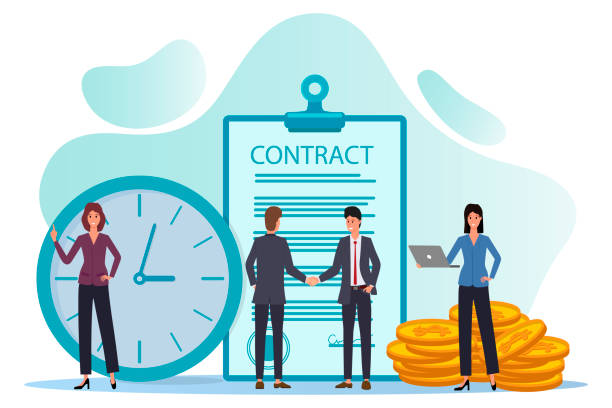
The sales rep celebrates too early.
The client said yes. Champagne emoji in Slack. Everyone’s excited. The deal is basically done… right?
Then someone says the words that drain the room:
“Legal just needs to review the contract.”
Cue the slow-motion montage:
Three versions of the agreement floating through email. Someone editing the wrong file. Finance asking for approval. Legal redlining a clause that marketing already promised.
Days pass. Sometimes weeks.
And everyone quietly wonders: why does closing a deal take longer than winning it?
The answer usually isn’t the negotiation. It’s the process. Or more specifically, the lack of one. That’s where a contract management system from Ironclad starts to change the story.
Let’s challenge a common assumption.
Contracts aren’t just legal documents. They’re operational infrastructure.
Think about what happens inside a typical agreement:
Pricing terms
Payment schedules
Renewal timelines
Service obligations
Risk exposure
In other words, contracts control revenue, compliance, partnerships, and vendor relationships. Yet in many organizations they still live in random folders, email threads, or desktop downloads labeled “Final_FINAL_v4.”
Messy systems create slow deals. Simple as that.
A contract management system turns those scattered documents into a structured workflow.
Quick question.
How many versions of the same contract exist during a negotiation?
Two? Five? Twelve?
Now imagine multiple departments touching that document—sales, legal, procurement, finance. Everyone edits, comments, redlines, downloads, re-uploads. Eventually nobody knows which version is the real one.
This chaos causes the delays that quietly kill deal momentum.
Centralized contract platforms solve that by creating a single, controlled environment where contracts are drafted, reviewed, and approved. No email chains. No guessing games. Just one living document moving through a clear workflow.
A slow contract process isn’t just inconvenient.
It’s expensive.
Deals stall. Vendors wait. Revenue gets pushed into the next quarter. Internal teams burn hours tracking approvals instead of closing business.
The irony? Most of these delays have nothing to do with legal complexity. They come from manual tasks: drafting templates, routing documents, and chasing signatures.
Automation changes that dynamic.
Modern platforms allow businesses to generate agreements from pre-approved templates, auto-fill key information, and route contracts to the right stakeholders instantly.
Short version: fewer bottlenecks, faster deals.
Wait—Can Technology Really Review Contracts?
Actually, yes.
Artificial intelligence is already helping legal teams analyze agreements faster and more accurately than traditional manual reviews. AI-powered tools can scan contracts, extract important clauses, and flag potential risks in minutes.
Think of it as a digital assistant that never gets tired of reading legal language.
Does it replace lawyers? No.
Does it remove a lot of tedious work? Absolutely.
Contracts rarely belong to just one department.
Sales negotiates terms.
Legal reviews language.
Finance checks payment structures.
Procurement evaluates vendors.
Without a shared system, that collaboration turns into a relay race with no baton.
Emails get missed. Documents sit in approval queues. Someone goes on vacation and the deal freezes for a week.
A contract management platform brings every stakeholder into the same workspace. Everyone can see the status of an agreement, comment directly in the document, and approve changes without leaving the platform.
Transparency speeds things up.
And it prevents those awkward Slack messages that start with:
“Hey… where are we on that contract?”
Here’s something companies often overlook.
Contracts contain an enormous amount of business intelligence.
They track renewal dates, vendor obligations, pricing structures, and risk exposure. Yet when contracts are stored as static documents, that data remains locked away.
A modern contract management system converts agreements into searchable, structured information.
Which vendors are up for renewal next quarter?
Which clauses appear most often in negotiations?
Where do deals tend to stall?
With the right system, those answers become instantly visible.
Let’s be honest.
Contracts will never be thrilling. They involve negotiation, compliance checks, and careful review. That’s the nature of legal agreements.
But the process doesn’t need to feel like administrative quicksand.
Platforms like Ironclad show how modern tools can streamline the entire lifecycle—from drafting to approval to signature—without sacrificing oversight.
The difference is simple but powerful: structure replaces chaos.
And when that happens, deals move faster, teams collaborate better, and revenue arrives sooner.
Which raises a final question worth asking:
If your company can close deals in days… why let contracts stretch them into weeks?
 Supriyo Khan
 Supriyo Khan
 Supriyo Khan
 Supriyo Khan

Want to add a comment?