Key Takeaways
Recognize common signs of roof emergencies to prevent extensive damage.
Understand immediate steps to take when a roofing crisis occurs.
Learn preventive measures to minimize future roofing issues.
Table of Contents
Common Signs of Roof Emergencies
Immediate Steps to Take During a Roofing Crisis
Preventive Measures to Avoid Future Roofing Issues
Choosing the Right Professional for Emergency Roof Repairs
Understanding Insurance Coverage for Roof Damage
Conclusion
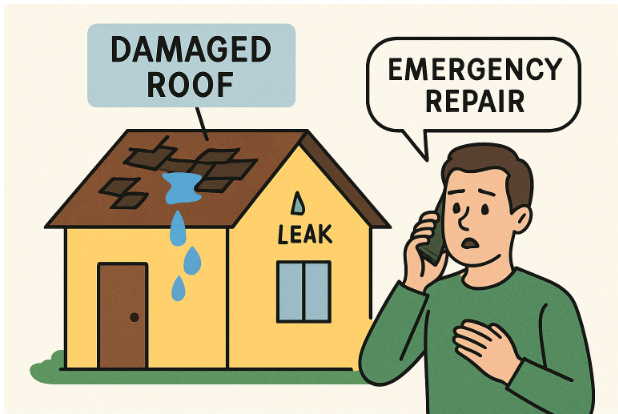
Every homeowner knows how vital a sturdy, well-maintained roof is to the overall safety and comfort of their property. However, when a sudden storm, accident, or structural failure causes unexpected roof damage, it can quickly escalate into an emergency. Recognizing the early warning signs and knowing where to turn for emergency roof repair services can make the difference between quick recovery and long-term damage.
Even minor leaks or missing shingles can indicate more serious problems lurking beneath the surface. By learning how to identify urgent roofing issues and understanding the steps to take during a crisis, you can minimize harm to your home and avoid costly repairs down the road.
Knowing who to call, what to document, and how to maintain your roof is the foundation of strong home protection. In this guide, we will outline critical signs to watch for, steps for emergency action, preventive care strategies, and practical advice on working with roofing professionals and insurance providers after a roof emergency.
Regular awareness and maintenance are essential for preventing surprises and maintaining the value of one of your home’s most important assets.
For a deeper understanding of maintaining structural integrity during emergencies, review expert advice from The New York Times’ Home Maintenance Checklist, which offers comprehensive guidance on roof care and home protection.
Common Signs of Roof Emergencies
Roof emergencies often start small. Early detection can help you address minor issues before they spiral into much bigger problems. Some of the most common signs that signal a roof emergency include:
Water Stains on Ceilings or Walls: These are often a direct sign of a leak that can weaken your home’s structure and foster mold growth if left untreated.
Missing or Damaged Shingles: High winds, storms, or falling debris can dislodge shingles, exposing your roof to the elements and accelerating deterioration.
Granules in Gutters: Finding shingle granules in your gutters is a clue that your shingles are aging and losing their protective capabilities.
Sagging Roof Deck: This is a serious red flag indicating possible water intrusion and structural compromise. Immediate evaluation by a professional is critical in these situations.
If you notice any of these red flags, it is time to act fast. A delay in addressing visible signs can quickly lead to widespread water damage, insulation issues, or even the collapse of roofs and attics. For additional guidance on signs that require urgent attention, see the detailed information from HGTV’s Roofing Needs Require Some Math.
Immediate Steps to Take During a Roofing Crisis
When a roof emergency occurs, quick, clear-headed action is necessary to safeguard your household and minimize losses. Follow these steps:
Ensure Safety: First and foremost, do not put yourself or others in danger. If there is a risk of structural collapse or electrical hazard, evacuate the affected areas immediately and avoid climbing on a wet or damaged roof.
Document the Damage: Use your phone or camera to take photos and videos of the damage from a safe distance. These records are essential for insurance claims and for contractors evaluating the necessary repairs.
Contact Professionals: Call a licensed roofing contractor as soon as possible. Most reputable companies offer 24/7 emergency services and can help prevent further damage with temporary solutions.
Preventive Measures to Avoid Future Roofing Issues
Staying ahead of emergencies starts with regular maintenance and routine checks. Incorporate these preventive measures into your annual home care schedule:
Schedule Regular Inspections: Have a professional roofing inspector check your roof at least twice a year, ideally in spring and fall.
Maintain Gutters: Clogged gutters cause water backup, which can rot your roof and fascia. Clean out leaves and debris several times per year, especially after heavy storms.
Trim Overhanging Branches: Removing branches that hang over your home reduces the risk of falling debris and scratches that can damage shingle surfaces.
By making regular inspections a priority, you are far more likely to catch small repairs before they become substantial issues, extending the life of your roof and decreasing emergency risks.
Choosing the Right Professional for Emergency Roof Repairs
When quick action is necessary, selecting a reliable roofing contractor can save you additional hardship. Keep these points in mind:
Verify Credentials: Choose a contractor who is fully licensed and insured. You should be able to verify licenses and request proof of insurance before work begins.
Check Reviews: Search for recent feedback on platforms like Google and the Better Business Bureau. Positive customer testimonials are a strong indicator of professional service.
Obtain Multiple Quotes: Requesting detailed quotes from a few providers helps you compare services and pricing, which supports more informed decisions during stressful times.
Establishing a relationship with a trustworthy local roofer before an emergency strikes can relieve stress should the unexpected occur.
Understanding Insurance Coverage for Roof Damage
After a roof emergency, your homeowner’s insurance may cover repair costs depending on the cause and condition of your roof. To make the process smoother:
Review Policy Details: Read your policy so that you know what types of roof damage are covered, especially for perils like hail, wind, or fire. Not all policies cover the same risks.
Document Maintenance: Keep a record of inspections, any repairs, and maintenance. Insurers often require proof that you have taken steps to maintain the property and prevent avoidable damage.
Contact your insurance company promptly after observing damage, provide clear photos, and keep receipts for any emergency repairs for reimbursement.
Conclusion
Identifying warning signs, acting quickly in emergencies, and maintaining regular roof care routines will help protect your home from the unexpected. By connecting with reliable professionals and understanding your insurance coverage, you can handle roofing crises efficiently and maintain peace of mind for years to come.
 Supriyo Khan
 Supriyo Khan
 Supriyo Khan
 Supriyo Khan

Want to add a comment?