Table of Contents
Understanding the Los Angeles Climate
Optimal Placement and Lighting
Watering Strategies
Soil and Repotting
Pruning and Shaping
Fertilization Schedule
Pest and Disease Management
Seasonal Care Tips
Frequently Asked Questions
Cherry blossom bonsai trees add a graceful splash of color and cultural charm to any garden or home. Their delicate blooms are iconic, yet cultivating them in Los Angeles comes with unique considerations due to the region's distinct weather patterns. Whether you are a beginner or have some experience, understanding how to care for your sakura cherry blossom bonsai tree in Southern California's climate is essential for long-term success.
In Los Angeles, the contrast between mild winters and blazing summer days offers both advantages and obstacles for bonsai enthusiasts. Taking the time to adapt your care routine to these local conditions will help you nurture a thriving, beautiful tree that showcases a living piece of Japanese artistry in your own backyard.
Understanding the Los Angeles Climate
The Mediterranean-like climate in Los Angeles is defined by gentle, wet winters and lengthy, dry summers. These conditions are generally favorable for bonsai cultivation year-round since frosts are rare. At the same time, the prolonged heat and bright sun of summer can be stressful for cherry blossom bonsai trees, potentially causing dehydration and sun scorch if not managed correctly. Being mindful of these weather factors sets the groundwork for healthy tree maintenance.
Optimal Placement and Lighting
Proper placement is a critical facet of bonsai health. Cherry blossom bonsai need bright but indirect sunlight, ideally positioned where the tree enjoys morning light while staying sheltered during the hottest part of the day. Using shade cloth or moving your bonsai to a partially shaded patio during mid-summer will help prevent sunburn and leaf desiccation. Consistently monitoring light exposure ensures lush foliage and abundant blooms.
Watering Strategies
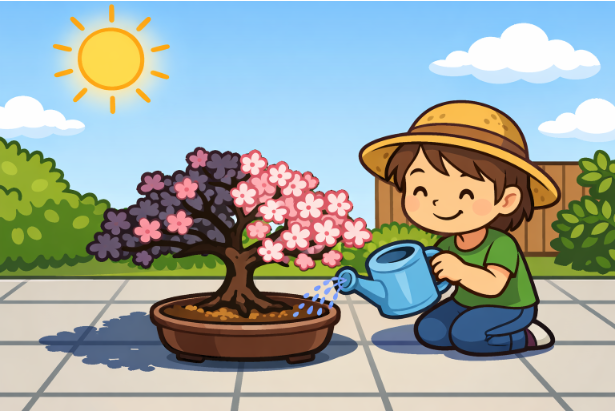
Maintaining the right watering schedule is vital in Los Angeles's warm environment. During the peak of summer, the soil may dry out rapidly. It's wise to water when the top layer (approximately one-half inch) feels dry to the touch, which may be as often as every day or every other day when temperatures soar. Use a fine watering can to deliver water evenly without disturbing the soil. Good drainage is critical to avoid excess moisture, which can lead to root rot.
Soil and Repotting
Cherry blossom bonsai depend on loose, well-drained soil to keep roots healthy. Mixes that combine akadama, pumice, and lava rock in the proportions of 50%, 25%, and 25%, respectively, are popular for their moisture control and aeration. Repot younger trees every one to two years and older trees every three to five years at the start of spring to support vigorous growth. Consistently using high-quality soil and timely repotting is important, as explained in guides by the MasterClass Bonsai Tree Care Guide.
Pruning and Shaping
Regular pruning is key to preserving the elegant shape and healthy structure of your cherry blossom bonsai. Major pruning should be done in late winter or early spring before buds start to swell. Throughout the growing season, trim back excessive or crossing shoots to maintain the desired silhouette. Wiring branches can refine shape, but always take care not to damage the thin bark. Pruning also encourages better airflow and sunlight penetration within the canopy.
Fertilization Schedule
Fertilizers supply essential nutrients for robust bonsai growth. When your tree enters its growing phase, feed it monthly with a balanced solid fertilizer or weekly with a diluted liquid fertilizer. For mature trees, select products that are lower in nitrogen to increase the chances of flowering rather than excess leafy growth. Make note of how your tree responds to nourishment to avoid overfeeding, as longer Los Angeles growing seasons can affect its needs.
Pest and Disease Management
Pests like aphids, scale insects, and spider mites are common issues. Inspect your bonsai regularly for yellowing leaves or sticky residue, which are typical signs of insect activity. If you spot an infestation, act promptly using horticultural soap or neem oil. Ensure your plant has sufficient air circulation to combat fungal diseases such as powdery mildew, which can develop in moist environments. Avoid overhead watering and remove affected leaves to contain problems quickly.
Seasonal Care Tips
Spring: Watch for aphids on new shoots and resume fertilization after blossoms wilt.
Summer: Increase watering frequency, provide added shade in the afternoons, and be alert for wilting during heatwaves.
Fall: Reduce watering as the tree’s growth slows down. Conduct structural pruning after all leaves have dropped.
Winter: Protect the tree during rare LA cold snaps and water only when the soil feels dry, avoiding waterlogged roots.
Frequently Asked Questions
Can I keep my cherry blossom bonsai indoors?
Cherry blossom bonsai trees thrive best outdoors, where they benefit from changing seasons and direct natural light. If you must place one indoors for short periods, ensure it receives abundant, bright light and keep humidity levels high.
How do I encourage my bonsai to bloom?
To promote flowering, provide the tree with full, indirect sunlight, cease high-nitrogen fertilization after midsummer, and ensure the bonsai has a dormant winter phase. Properly timed pruning just after blooming can increase future flower bud production.
What should I do if my bonsai's leaves turn yellow?
Yellow leaves often indicate overwatering, insufficient drainage, or nutrient imbalance. Check your watering frequency and soil composition, allow the soil to dry slightly between waterings, and review your fertilization schedule.
By understanding and adjusting your approach to the Los Angeles climate, you can cultivate a cherry blossom bonsai that flourishes and delights with its timeless beauty.
 Supriyo Khan
 Supriyo Khan
 Supriyo Khan
 Supriyo Khan
Want to add a comment?