Key Takeaways
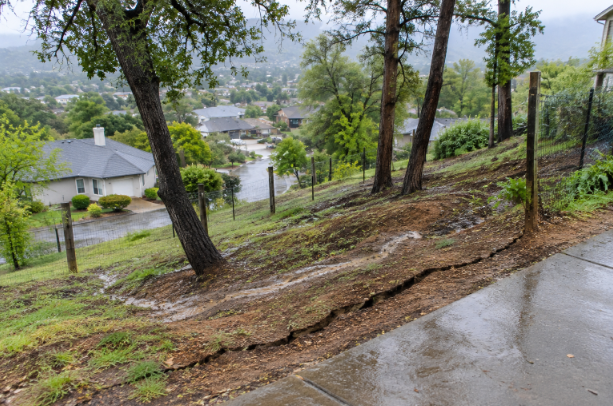
Watch for warning signs such as widening cracks, leaning structures, new wet areas, soil bulges, and fresh erosion channels.
Inspect slopes after heavy rainfall and document visible changes with dated photos taken from a safe distance.
Check drainage systems, runoff outlets, and vegetation to identify conditions that may contribute to erosion or soil saturation.
Keep people, vehicles, and heavy equipment away from areas showing possible active movement.
Recognize that surface erosion control may not be enough when instability extends deeper into a slope or threatens nearby structures.
Consult a qualified engineer to evaluate the cause of movement and determine whether drainage improvements, reinforcement, retaining walls, or other measures are appropriate.
Consider equipment access, site conditions, permits, safety requirements, and long-term maintenance when planning stabilization work.
Alliance Diversified Enterprises provides engineered slope-stabilization and earth-retention services for challenging terrain, including steep hillsides and difficult-access sites.
Slope failures rarely begin with a dramatic collapse. More often, small changes in soil, pavement, drainage, or nearby structures appear first. Recognizing those changes early can help property owners, site managers, and construction teams reduce risk before movement affects a home, road, utility line, or work area. When conditions point to a deeper stability concern, a qualified engineer should evaluate the site and recommend an appropriate repair strategy. For challenging terrain, slope stabilization contractor Alliance Diversified Enterprises provides engineered earth-retention and slope-stabilization services for steep and landslide-prone areas, including difficult-access backyards, tight urban lots, and rugged hillsides. Based in Escondido, California, the company's service information describes systems such as soil nails, soldier piles, shotcrete walls, and tieback-supported reinforcement.
Why Slope Problems Often Start Small
A slope can appear stable for a long time, even as water, erosion, excavation, added weight, or gradual soil movement change the conditions beneath the surface. A narrow crack above a driveway, for example, may seem minor at first. If it lengthens or widens after repeated rainfall, it deserves closer attention. Over-steepened cuts, blocked drainage, loss of vegetation, and concentrated runoff can all contribute to slope distress.
Seven Warning Signs To Watch For
1. New Cracks in Soil, Pavement, or Concrete
Cracks near the top of a slope can indicate that the ground is pulling apart. Widening cracks in a patio, road, sidewalk, slab, or retaining-wall area may also be significant, especially when they appear alongside wet ground or displaced soil. Take dated photos from the same location after storms, so changes are easier to compare.
2. Leaning Trees, Poles, Fences, or Walls
One leaning fence post may have a simple explanation. Several tilted trees, poles, fences, or retaining walls in the same area can be more concerning, as they may indicate the slow movement of the ground beneath them.
3. New Water Sources or Wet Areas
Water emerging from a slope face, new ponding, muddy runoff, wet streaks, or a spring that was not previously visible should not be ignored. Water can weaken soil conditions and add pressure within the slope. The warning signs identified by the U.S. Geological Survey also include new flowing water on a slope and ponding where it has not occurred before.
4. Soil Bulges at the Base of a Slope
A new mound, raised toe, or pushed-out section of soil at the bottom of a slope can indicate pressure from material higher on the hillside. This movement can interfere with drainage paths, encroach on a roadway, or place nearby foundations at risk.
5. Fresh Erosion Channels
Rills, gullies, exposed roots, and washed-out soil show where runoff is concentrating. Fast-moving water in a narrow channel can cut into a slope more aggressively than shallow sheet flow. Effective erosion control addresses both the damaged ground and the source of the water.
6. Changes in Doors, Windows, Walls, or Foundations
Sticking doors, new wall or foundation cracks, gaps between soil and a foundation, and separation between connected structures can have several causes. However, these changes merit prompt review when they occur with cracking ground, drainage changes, or other visible signs of slope movement.
7. Unusual Sounds or Sudden Ground Movement
Cracking wood, falling rocks, rumbling, or unusual ground vibration can signal an urgent condition. If a slide is actively moving, keep clear of the area and leave only when it is safe to do so. Contact local emergency officials rather than attempting a close inspection.
How Weather Can Reveal Hidden Slope Problems
Long storms, rapid snowmelt, and intense bursts of rain can expose weak drainage and bare-soil areas. Check downspouts, swales, slope drains, and runoff outlets after wet weather. Maintaining vegetation and slowing concentrated runoff are practical erosion-control measures reflected in guidance for reducing soil erosion and sediment deposition.
A Simple Slope Check for Property Owners and Project Teams
Walk the upper area: Look for cracks, standing water, blocked drains, and grading changes.
Inspect the slope face: Note bare soil, fresh scars, exposed roots, wet streaks, and loose rock.
Check the toe: Look for bulges, soil piles, blocked channels, or water collecting below the slope.
Review nearby structures: Check walls, pavements, fences, utilities, and foundations.
Document changes: Record dates, locations, and photos from a safe distance.
Limit exposure: Keep vehicles, heavy equipment, and people away from areas showing active movement.
When Drainage May Be the First Line of Defense
Controlling water can reduce erosion and limit unnecessary saturation. Roof runoff, surface channels, swales, slope drains, and protected outlets may be part of a drainage plan. Water should never be redirected toward a neighboring property, road, foundation, or unstable hillside. Any drainage change should account for site grading, local requirements, and the slope's overall condition.
When a Structural System May Be Needed
Surface erosion control is not always enough when movement extends deeper into the hillside or when the slope supports a structure, road, or major load. Depending on engineering findings, solutions may include soil-nail walls, soldier-pile walls, shotcrete retaining walls, shear pins, grade beams, or tiebacks. The appropriate system depends on soil conditions, groundwater, geometry, access, adjacent structures, loading, and expected service life.
Why Access Conditions Change the Construction Plan
Backyards, narrow urban parcels, steep hillsides, and sites beside active roads can limit access for equipment and material handling. Smaller drilling rigs, portable equipment, staged work, and careful spoil removal may be necessary. Access planning should be considered early because it affects sequencing, temporary protection, safety, and the feasibility of a proposed repair.
Questions to Ask Before Choosing a Repair Approach
What is driving the movement: water, erosion, weak soil, added load, or several factors?
Is the issue shallow and surface-based, or does it extend deeper into the slope?
Could the proposed work alter drainage or affect nearby properties?
Will temporary shoring, permits, inspections, or engineering documentation be required?
How will the completed system be inspected and maintained?
Common Mistakes That Can Make Slope Problems Worse
Avoid adding fill or heavy materials near the top of a questionable slope, sending roof runoff toward an eroding area, removing established vegetation without a replacement plan, or placing equipment near cracked or saturated ground. Cosmetic landscaping can also hide warning signs without solving the cause. Retaining-wall repairs should account for drainage and the soil behind the wall, not just the visible face.
Frequently Asked Questions
Can a small crack signal a serious slope problem?
A crack alone does not confirm failure. Its location, growth, direction, and relationship to other warning signs help determine whether a professional evaluation is needed.
Does vegetation solve slope instability?
Vegetation can help reduce surface erosion, but it may not address deep movement, groundwater pressure, or structural loads.
Is a retaining wall always the best solution?
No. Drainage improvements, grading, erosion control, reinforcement, or a combination of measures may better suit the site.
Act on Early Warning Signs
Slope problems are generally easier to manage when warning signs are identified early. A careful drainage check, dated photos, and a timely professional review can help protect homes, roads, utilities, and active jobsites before a small concern becomes a major failure.
Conclusion
Recognizing slope instability early can help property owners and construction teams address potential hazards before they affect buildings, roads, utilities, or surrounding land. Cracks, unusual water flow, leaning structures, and fresh erosion should be monitored carefully, especially after periods of heavy rainfall. Although drainage improvements and erosion-control measures may help with certain surface problems, deeper movement can require a more comprehensive engineering assessment. The appropriate solution depends on soil conditions, groundwater, slope geometry, nearby structures, and site access. For complex or landslide-prone terrain, Alliance Diversified Enterprises offers engineered stabilization options, including soil nails, soldier piles, shotcrete walls, and tieback-supported systems. A timely professional evaluation can help identify the underlying problem and guide a repair approach suited to the site's conditions and long-term stability needs.
 Supriyo Khan
 Supriyo Khan
 Supriyo Khan
 Supriyo Khan

Want to add a comment?