A healthy smile is a cornerstone of overall well-being for every family member. From the first baby tooth to maintaining a vibrant smile in our later years, consistent dental care plays a crucial role. Many believe that dental visits are only for fixing problems, but we know they are essential for preventing them.
When we talk about maintaining optimal oral health for everyone in your household, we are discussing true comprehensive dental care. This proactive approach can help avoid more serious issues down the line. It also allows us to address concerns early, often saving time and money.
In this guide, we will explore the many benefits of regular dental visits for your entire family. We will look at preventive care, how to manage dental anxiety, and the various restorative solutions available. We will also touch on understanding treatment costs, including important considerations like dental implants and their associated expenses. Our goal is to empower you with knowledge for lasting oral health.

At the heart of a family's dental health lies a commitment to comprehensive care, which extends far beyond routine cleanings. It encompasses a holistic approach to oral wellness, ensuring that every aspect of your family's dental health is meticulously monitored and maintained. This proactive strategy involves utilizing advanced diagnostic tools and personalized treatment plans, tailored to the unique needs of each family member, from toddlers to grandparents. By focusing on preventive measures and early detection, we aim to safeguard smiles and overall systemic health for years to come.
Our approach to family dental care emphasizes the importance of understanding the intricate connections between oral health and general well-being. For instance, untreated gum disease can contribute to systemic health issues, while proper oral hygiene can significantly reduce these risks. This is why we advocate for a full spectrum of dental services, ensuring that your family receives the most thorough and effective care available. From the latest in digital imaging to personalized treatment strategies, our goal is to provide a foundation for lifelong oral health.
Preventive check-ups are the bedrock of comprehensive family dental care. These appointments are designed not just to clean teeth but to thoroughly assess the oral cavity for any signs of potential issues before they escalate. During these visits, we often employ state-of-the-art diagnostic equipment, such as digital radiography and 3D imaging, to gain a detailed understanding of your oral structures. Digital X-rays, for example, provide highly detailed images with significantly reduced radiation exposure compared to traditional methods, allowing for precise detection of cavities, bone loss, or other underlying problems that might not be visible during a routine visual examination.
Routine prophylaxis, or professional teeth cleaning, is crucial for removing plaque and tartar buildup that regular brushing and flossing might miss. This process helps prevent cavities and gum disease, which are among the most common dental ailments. Periodontal screenings are also a standard part of these check-ups, evaluating the health of your gums and supporting bone structures to catch early signs of gingivitis or periodontitis. Early detection of these conditions is vital, as timely intervention can prevent more severe and costly treatments down the line. Moreover, we focus on patient education during these visits, providing personalized advice on effective oral hygiene techniques, dietary recommendations, and fluoride treatments to strengthen enamel and prevent decay. By making these preventive measures a regular part of your family's health routine, we can ensure healthier smiles and fewer dental emergencies.
Dental anxiety is a common concern that can affect individuals of all ages, from young children experiencing their first dental visit to adults with past negative experiences. Recognizing and addressing this anxiety is a crucial component of comprehensive family dental care. Our goal is to create a comfortable and reassuring environment where patients feel safe and understood. For children, this often involves gentle dentistry techniques, a friendly approach, and sometimes even playful distractions to make their experience positive and build trust. We understand that early experiences can shape a child's perception of dental care for a lifetime, so we strive to make every visit as pleasant as possible.
For adults, managing dental anxiety can involve a variety of strategies. Techniques such as mindfulness, deep breathing exercises, and guided relaxation can be highly effective in reducing stress during appointments. We encourage open communication, allowing patients to voice their concerns and preferences, and we are always ready to adjust our approach to accommodate individual needs. Some patients benefit from listening to music or podcasts during their treatment, while others find comfort in simply understanding each step of the procedure. For those with more significant anxiety, options like nitrous oxide (laughing gas) or oral sedation can provide a more relaxed experience. Our team is trained to provide compassionate care, ensuring that every family member feels at ease and empowered throughout their dental journey. Prioritizing patient comfort not only makes appointments more manageable but also encourages consistent attendance, which is essential for maintaining long-term oral health.

Despite our best preventive efforts, sometimes restorative solutions become necessary due to tooth decay, injury, or other oral health issues. Comprehensive family dental care includes a wide array of restorative options, ranging from simple fillings to more complex procedures like dental implants. Our philosophy is always to preserve natural tooth structure whenever possible, employing treatments such as tooth-colored fillings, restorative crowns, and even endodontic therapy (root canals) to save compromised teeth. However, when a tooth cannot be saved, or if one is already missing, we explore the most effective and durable replacement options to restore both function and aesthetics.
The decision to pursue a specific restorative treatment is always made in consultation with the patient, considering their individual needs, health status, and long-term goals. We aim to provide solutions that not only address the immediate problem but also contribute to the overall health and stability of the entire oral system. This might involve discussing the benefits of a single porcelain crown to protect a weakened tooth, or exploring advanced options like dental implants for a permanent and natural-feeling tooth replacement. Understanding the implications of each choice, including factors like longevity, maintenance, and, importantly, the cost, is paramount to making an informed decision.
One of the often-overlooked benefits of comprehensive family dental care, especially when considering tooth replacement, is its profound impact on jawbone integrity. When a tooth is lost, whether due to decay, gum disease, or trauma, the underlying jawbone no longer receives the stimulation it once did from chewing. This lack of stimulation leads to a process called bone resorption, where the bone tissue begins to deteriorate and shrink. Over time, this can result in significant bone loss, altering facial structure, affecting the stability of adjacent teeth, and making it difficult to place future dental restorations.
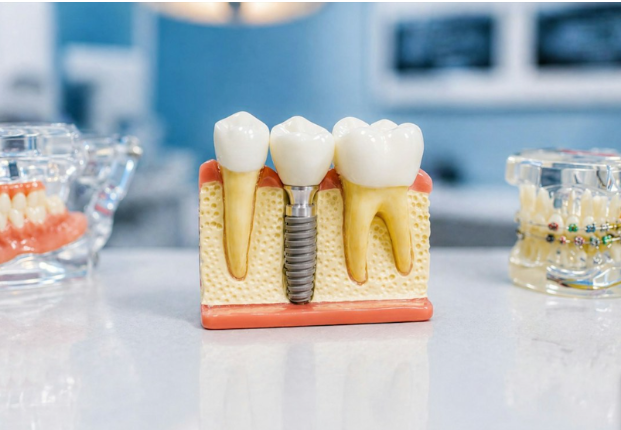
Dental implants are uniquely designed to counteract this bone loss. Unlike bridges or dentures, which sit above the gum line, a dental implant consists of a titanium fixture surgically placed into the jawbone. This titanium post acts as an artificial tooth root, naturally fusing with the bone through a process called osseointegration. This fusion provides the necessary stimulation to the jawbone, preserving its density and preventing further deterioration. For patients who have already experienced some bone loss, procedures like bone grafting or sinus lifts may be necessary before implant placement to rebuild sufficient bone volume. These procedures add to the overall complexity and, consequently, dental implants the cost, but they are crucial for the long-term success and stability of the implant. By proactively addressing missing teeth with solutions like implants, comprehensive dental care plays a vital role in maintaining the structural integrity of the jawbone and supporting overall oral health.
When a tooth needs restoration or replacement, several effective options are available, each with its own benefits, considerations, and cost implications. Understanding these choices is key to making the best decision for your oral health.
Navigating the financial aspects of dental care, especially when considering advanced treatments like dental implants, can seem daunting. However, with careful planning and a clear understanding of the long-term economics of oral health, families can make informed decisions that benefit both their smiles and their wallets. It's often said that an ounce of prevention is worth a pound of cure, and this adage holds particularly true in dentistry. Investing in regular preventive care significantly reduces the likelihood of needing more extensive and costly restorative treatments later on.
When we consider the dental implants the cost, look beyond the initial price tag and evaluate the lifetime value they provide. While the upfront investment might be higher than traditional alternatives like bridges or dentures, the durability, bone preservation benefits, and superior quality of life offered by implants often make them the most cost-effective solution in the long run. We work closely with our patients to develop comprehensive treatment plans that not only address their immediate needs but also align with their financial capabilities, exploring all available options for budgeting and payment.
The financial value of comprehensive family dental care becomes exceptionally clear when viewed through a long-term lens. Consider this: consistent preventive care, including regular check-ups and cleanings, typically costs a fraction of what major restorative procedures entail. For example, addressing a small cavity with a filling is significantly less expensive than needing a root canal, crown, or even an extraction and implant if the decay progresses untreated. This principle applies across the spectrum of oral health.
Treatment Approach Initial Costs (approx.) Maintenance & Replacement Costs (approx.) Total Estimated 20-Year Cost (approx.) Preventive Care Only Low (Annual check-ups, cleanings) Minimal (Fluoride, sealants) Lowest (e.g., $5,000 - $10,000) Delayed Restorative (e.g., untreated decay) Moderate (Fillings, minor procedures) High (Root canals, crowns, extractions, bridges) Moderate to High (e.g., $15,000 - $30,000) Implants (vs. Bridges) High (Single implant: 3,000-4,500) Low (Crown replacement every 10-15 years) Moderate (e.g., $6,000 - $10,000 per tooth) Bridges (vs. Implants) Moderate (Per unit: 2,000-5,000) High (Replacement every 5-15 years, potential damage to adjacent teeth) High (e.g., $8,000 - $15,000 per tooth) Traditional Dentures Low (Per arch: 1,500-5,000) Moderate (Relining, replacement every 5-7 years, adhesives) Moderate (e.g., $10,000 - $20,000) Full-Arch Implants (e.g., All-on-4) Very High (Per arch: 15,000-25,000) Low (Prosthesis replacement every 10-15 years) Moderate to High (e.g., $30,000 - $60,000+) This conceptual table illustrates how consistent preventive care can lead to significant long-term savings by avoiding the need for extensive oral surgery or complex restorative treatments. For treatments like dental implants, while the initial dental implants the cost is substantial, their exceptional durability and minimal long-term maintenance often make them a more economical choice compared to alternatives like dental bridges, which may require replacement every 5-15 years and can compromise the health of adjacent teeth. By taking advantage of preventive savings and understanding the long-term durability of various solutions, families can make financially astute decisions about their oral health. We can help you strategize treatment staging to maximize your insurance benefits and manage annual maximums effectively, ensuring that your investment in a healthy smile is both sound and sustainable.
Understanding how to maximize your dental benefits and leverage various payment strategies is crucial for managing the dental implants the cost and other significant dental expenses. Many dental insurance plans offer some coverage for major procedures, typically covering around 50% of eligible costs up to an annual maximum, which often ranges from $1,000 to $2,000. It's vital to review your specific plan details, as some plans may categorize implants as cosmetic and exclude them, while others may offer limited coverage.
One effective strategy is to split treatment across two calendar years. If your treatment plan, such as a multi-stage implant procedure, spans several months, you might be able to utilize two annual maximums from your insurance plan, significantly reducing your out-of-pocket expenses. For example, the implant placement surgery might occur in one year, and the abutment and crown placement in the following year.
Furthermore, Health Savings Accounts (HSAs) and Flexible Spending Accounts (FSAs) are powerful tools for managing healthcare costs. Contributions to these accounts are pre-tax, meaning you save money on taxes while earmarking funds specifically for medical and dental expenses. Utilizing FSA or HSA funds for dental implants the cost effectively provides a discount of 20-30% based on your tax bracket.
Many dental practices also offer in-office financing options or work with third-party providers like CareCredit, which can provide interest-free payment plans for a specified period. Dental discount plans are another option, offering reduced fees for services in exchange for an annual membership fee. Exploring these alternatives can make advanced treatments more accessible. Always ask for a detailed, itemized quote before beginning any treatment to understand all components of the cost, including potential hidden fees for consultations, 3D CT scans, extractions, bone grafting, sinus lifts, or temporary restorations. Being proactive in discussing financial options with your dental team can help you budget effectively and achieve your desired oral health outcomes without undue financial stress.
We understand that families often have many questions about dental care, especially concerning the balance between routine visits, insurance limits, and when to consider advanced treatments. Here, we address some of the most common inquiries to help you make informed decisions about your family's oral health journey.
For most individuals, including children and adults, we recommend scheduling regular dental check-ups and cleanings biannually, or every six months. These routine visits are crucial for maintaining optimal oral health, as they allow us to monitor for any changes, detect potential issues early, and provide professional cleaning that cannot be achieved with at-home care alone.
However, the ideal frequency can vary based on individual risk factors. Patients with a history of gum disease, frequent cavities, chronic health conditions (like diabetes), or those undergoing certain medical treatments may benefit from more frequent visits, perhaps every three to four months. Conversely, individuals with excellent oral hygiene, no history of dental problems, and low risk factors might be able to extend their intervals slightly, though annual check-ups are generally still advised. We believe in providing customized intervals based on a thorough assessment of each family member's unique oral health needs and risk profile. This personalized approach ensures that everyone receives the right level of care to keep their smiles healthy and vibrant.
Basic cleaning, while essential, typically focuses on the removal of plaque and tartar from the tooth surfaces above the gum line. It's a foundational part of oral hygiene, but it represents only one component of comprehensive dental care. Comprehensive care, on the other hand, involves a much deeper and broader approach to your overall oral health.
It begins with a thorough diagnostic depth, utilizing advanced tools like digital X-rays, 3D imaging, and intraoral cameras to examine not just the teeth, but also the gums, jawbone, soft tissues, and bite. This allows for the early detection of issues such as hidden cavities, gum disease, bone loss, oral cancer, and temporomandibular joint (TMJ) disorders. Beyond diagnostics, comprehensive care includes detailed restorative planning, addressing any existing problems with appropriate treatments, from fillings and crowns to more complex procedures like dental implants. It also encompasses preventive strategies tailored to individual risk factors, guidance on nutrition, and education on proper home care techniques. Essentially, comprehensive dental care aims for full-mouth wellness, considering how oral health impacts your overall systemic health and quality of life, rather than just treating isolated symptoms. It's a proactive, holistic approach designed to maintain your oral health for the long term.
While the dental implants the cost is a significant consideration, their benefits in terms of function, aesthetics, and long-term oral health often make them the preferred choice for many patients seeking a permanent solution for missing teeth. We will conduct a thorough evaluation, including assessing your bone density and overall health, to determine if you are a suitable candidate for dental implants and guide you through the entire process.

The journey to lifelong wellness for your family begins with a commitment to comprehensive dental care. From the earliest years to adulthood, regular check-ups, preventive hygiene, and timely interventions are not just about maintaining a beautiful smile; they are about safeguarding overall health and ensuring a higher quality of life. By embracing a proactive approach, families can significantly reduce the risk of complex and costly dental issues down the line.
We have explored how comprehensive care protects jawbone integrity, the diverse range of restorative solutions available, and the economic wisdom of investing in preventive dentistry. Understanding factors like dental implants the cost and how to maximize financial benefits allows families to make empowered decisions about their oral health. Your dental team is a partner in this journey, ready to provide personalized care, address anxieties, and guide you through every step. Prioritizing regular check-ups and maintaining consistent oral hygiene are simple yet powerful steps toward a future filled with healthy, confident smiles for every member of your family.
 Supriyo Khan
 Supriyo Khan
 Supriyo Khan
 Supriyo Khan

Want to add a comment?