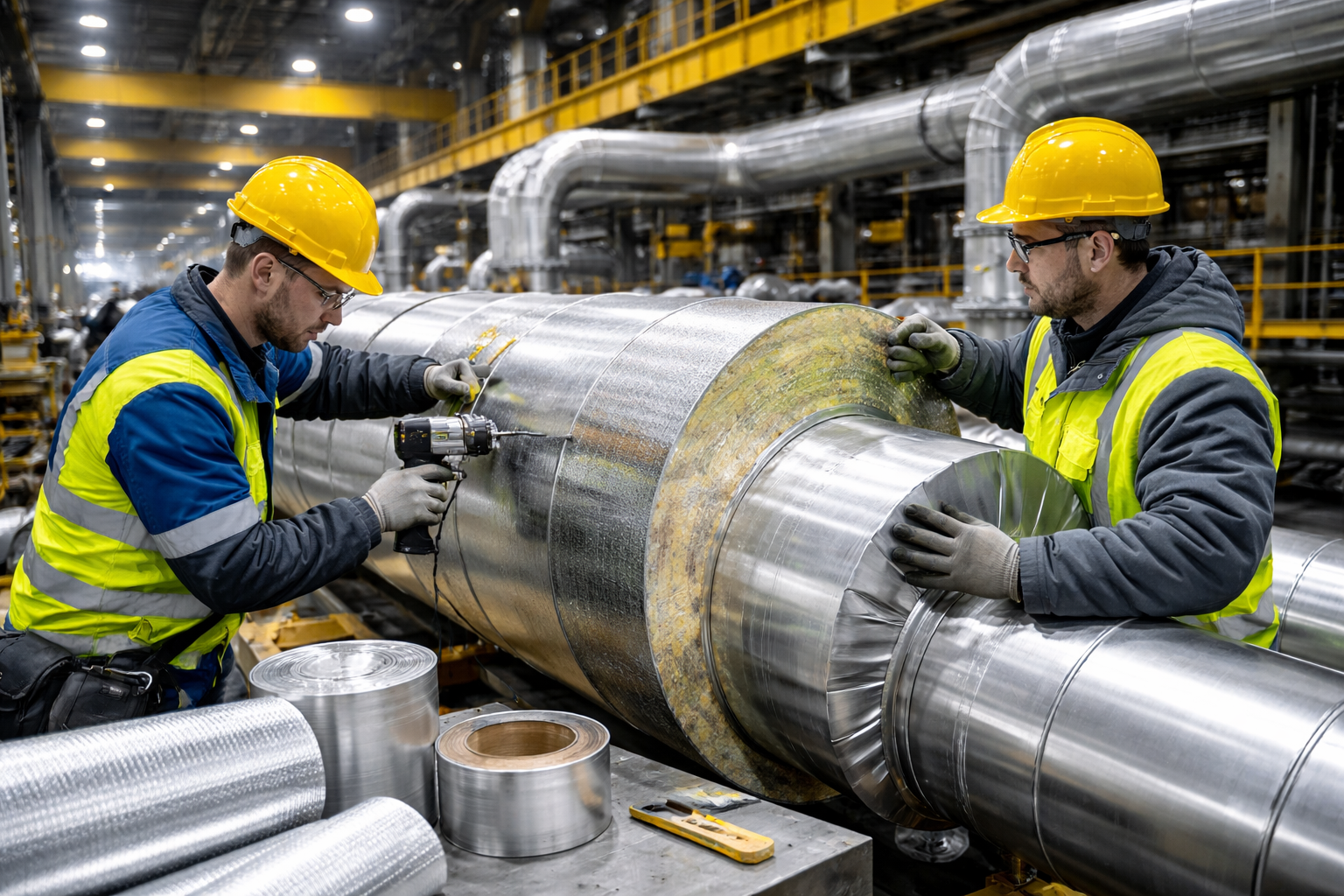
Energy efficiency has become a defining factor in modern industrial operations. Rising fuel costs, stricter environmental regulations, and increasing pressure to optimize production have encouraged businesses to rethink how energy is used across facilities. One of the most practical and cost-effective ways to improve efficiency is through proper thermal insulation. Industrial insulation materials help control heat transfer, stabilize processes, and reduce unnecessary energy consumption.
Companies often begin improving thermal performance by working with experienced thermal insulation material manufacturers that provide solutions designed for demanding industrial environments. Selecting suitable materials early in a project allows facilities to reduce energy waste while improving operational reliability over the long term.
Thermal insulation refers to materials engineered to slow the transfer of heat between surfaces or environments. In industrial facilities, insulation plays a critical role in maintaining process temperatures and protecting equipment.
Heat naturally moves from hotter areas to cooler ones. Without insulation, this transfer leads to energy loss, unstable operating conditions, and increased energy consumption. Industrial systems such as boilers, pipelines, storage tanks, and furnaces continuously generate or contain heat, making insulation essential for efficient operation.
Effective insulation works by trapping air or using materials with low thermal conductivity, reducing the rate at which heat escapes or enters a system.
Industrial facilities consume large amounts of energy daily. Even minor inefficiencies can result in significant financial losses over time. Thermal insulation directly impacts energy performance in several ways.
Insulated equipment retains heat more effectively, reducing the need for additional energy input. For example, insulated steam pipelines maintain temperature during transport, minimizing reheating requirements.
When systems maintain stable temperatures, heating and cooling equipment operates less frequently. This decreases fuel usage and electricity demand, leading to measurable cost savings.
Many manufacturing processes rely on precise temperature conditions. Insulation helps maintain consistent thermal environments, improving production accuracy and reducing material waste.
Different industrial applications require specific insulation materials based on temperature range, mechanical stress, and environmental exposure.
Mineral wool is widely used for its strong thermal resistance and fire protection properties. It performs well in power plants, industrial buildings, and high-temperature equipment systems.
Calcium silicate offers high compressive strength and excellent performance under extreme heat conditions. It is commonly used for piping systems and heavy industrial machinery.
Ceramic fiber materials are designed for extremely high temperatures. Industries such as metal processing and furnace operations rely on these materials for thermal stability and durability.
Foam insulation materials are suitable for low-temperature applications, including refrigeration systems and cold storage facilities. They provide effective moisture resistance along with thermal protection.
Choosing the correct material depends on operational temperature, exposure conditions, and performance requirements.
Thermal insulation supports efficiency across many sectors where temperature control directly affects productivity.
Power plants depend on insulated turbines, boilers, and pipelines to minimize energy loss. Improved heat retention increases generation efficiency and reduces fuel consumption.
Refineries and petrochemical facilities operate under extreme thermal conditions. Insulation ensures stable processes while protecting equipment and personnel from excessive heat exposure.
Processes such as drying, chemical processing, and heat treatment require consistent temperatures. Insulation helps maintain controlled conditions that improve product quality.
Temperature-sensitive industries rely on insulation to maintain hygiene standards and product integrity while reducing energy waste.
While energy reduction is the primary advantage, insulation provides several additional operational benefits.
Thermal fluctuations can cause expansion and contraction in equipment materials, leading to fatigue and damage. Insulation reduces stress on machinery, extending service life.
Hot surfaces present safety risks in industrial environments. Insulation lowers external surface temperatures, helping facilities meet workplace safety requirements.
Proper insulation minimizes condensation, corrosion, and overheating. This reduces maintenance frequency and prevents unexpected downtime.
Certain insulation materials also provide acoustic benefits by dampening operational noise, improving working conditions within industrial spaces.
Industrial energy consumption significantly contributes to global emissions. Improving insulation efficiency helps organizations reduce their environmental footprint without major infrastructure changes.
Lower energy demand results in:
Reduced greenhouse gas emissions
Improved regulatory compliance
Lower environmental operating costs
Support for corporate sustainability goals
Many companies view insulation upgrades as a practical step toward achieving long-term environmental targets while maintaining productivity.
Choosing the right insulation requires careful planning and evaluation.
Each material performs best within a specific temperature range. Selecting insulation outside its intended limits can reduce effectiveness and lifespan.
Exposure to humidity or water can affect insulation performance. Protective coatings or vapor barriers may be necessary in certain environments.
Industrial settings often involve vibration, pressure, and mechanical stress. Materials must withstand these conditions without degradation.
Even high-performance insulation will fail if installed improperly. Correct thickness, sealing, and protective cladding ensure long-term efficiency.
Regular inspection helps identify damage early and maintain insulation performance over time.
Industrial insulation delivers ongoing value beyond initial installation. Facilities often recover investment costs through energy savings within a relatively short period. After this payback phase, continued reductions in energy use directly improve operational margins.
Stable thermal systems also reduce operational disruptions. Equipment performs consistently, maintenance schedules become more predictable, and production processes remain reliable.
Organizations that prioritize insulation as part of their energy strategy often achieve better operational resilience while controlling long-term costs.
Energy efficiency improvements do not always require complex technology upgrades. In many cases, optimizing existing systems through effective insulation delivers immediate and lasting results.
Industrial thermal insulation materials help facilities conserve energy, protect equipment, and maintain safe working environments. As industries continue to balance productivity with sustainability goals, insulation remains one of the most practical tools for improving performance without increasing operational complexity.
By understanding material options, application requirements, and installation best practices, businesses can build more efficient operations that support both economic and environmental objectives.
 Supriyo Khan
 Supriyo Khan
 Supriyo Khan
 Supriyo Khan

Want to add a comment?