In the modern era of digital media, the ability to tell a compelling story through a lens is a skill that separates hobbyists from professionals. Whether you are capturing a fleeting moment in a photograph or documenting a complex narrative through film, the tools you choose serve as the bridge between your imagination and the final output. For decades, Canon has established itself as a cornerstone in the world of imaging, providing creators with the reliability and technical precision needed to excel in a competitive landscape. Mastering visual storytelling requires a deep understanding of how light, composition, and technology interact to evoke emotion and convey information.
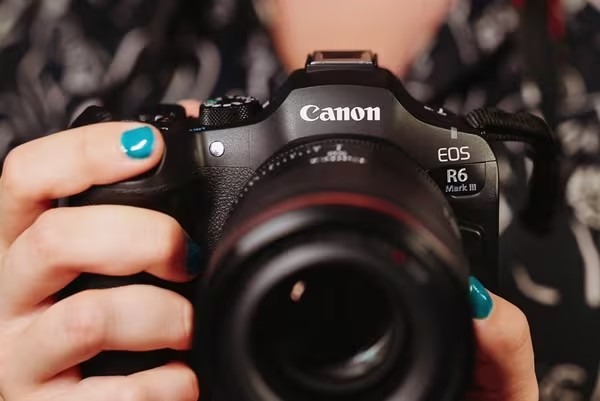
The journey often begins with selecting the right body to capture still images. A professional-grade camera is more than just a box that records light; it is a sophisticated instrument designed to handle diverse environments and lighting conditions. For those who prioritize image quality and versatility, the EOS R series has redefined expectations. These systems offer incredible resolution and high-speed performance, allowing photographers to react instantly to the world around them. When you hold a high-quality camera, you gain access to advanced autofocus systems that can track subjects with surgical precision, ensuring that the most critical part of your frame is always in focus. This technical reliability frees the creator to focus on the artistic elements of the shot, such as the interplay of shadows or the subtle expressions of a subject.
Transitioning from stills to moving images introduces a new set of challenges and opportunities. While many modern mirrorless bodies are capable of recording high-quality clips, a dedicated video camera provides specific features that are indispensable on a professional set. Tools like the Cinema EOS line are built for the rigors of production, offering built-in ND filters, professional audio inputs, and cooling systems that prevent overheating during long recording sessions. These devices are designed with ergonomics that favor handheld operation or mounting on complex rigs, giving filmmakers the stability needed for cinematic movement. The ability to record in formats like Canon Log ensures that the maximum amount of data is preserved, providing a flexible canvas for color grading in post-production.
The soul of any visual project lies in the glass attached to the front of the device. Lens selection is perhaps the most personal choice a storyteller makes. Using a fast prime lens can create a shallow depth of field that draws the viewer’s eye exactly where you want it, while a versatile zoom lens allows for quick adjustments in fast-paced environments. The RF and EF lens mounts offer an expansive library of optics, each with its own character and rendering style. Professional storytellers often speak of the Canon look, characterized by natural skin tones and a pleasing color science that requires minimal correction. This consistency across different bodies and lenses is a significant advantage when working on projects that require multiple angles or units.
Composition is the silent language of visual storytelling. It involves the intentional arrangement of elements within the frame to guide the viewer's experience. Leading lines, the rule of thirds, and the use of negative space are all techniques that help build a narrative without words. When combined with the high dynamic range of a professional sensor, these techniques allow you to play with contrast and highlights to create a specific mood. For instance, a low-angle shot of a subject can convey power and authority, while a high-angle shot might suggest vulnerability. Having gear that can perform in low light without introducing excessive noise means you can tell stories in authentic settings, using only the available light to create a sense of realism.
Audio is the often-overlooked half of the storytelling equation. Even the most stunning visuals can be undermined by poor sound quality. Professional setups often include external microphones and recorders, but the internal preamps and connectivity options of a dedicated video body make the integration process seamless. Being able to monitor audio levels in real-time ensures that the dialogue or ambient sounds are captured as clearly as the image. This holistic approach to production ensures that the final product is immersive and professional.
As technology continues to advance, the barrier to entry for high-end production has lowered, but the importance of mastering the fundamentals remains. Understanding exposure, frame rates, and shutter angles is essential for anyone looking to produce work that stands out. Professional guides often emphasize that the gear is an extension of the creator. The more intuitive the interface and the more reliable the hardware, the less the technology gets in the way of the creative process. This is why many professionals stick with a single ecosystem for their entire career; the familiarity of the button placement and menu systems allows for muscle memory to take over during high-pressure shoots.
Ultimately, mastering visual storytelling is a continuous process of experimentation and refinement. It involves studying the work of others, understanding the technical limits of your equipment, and constantly pushing those boundaries to find your unique voice. Whether you are using a compact setup for a travel documentary or a full cinema rig for a commercial, the goal is always to connect with your audience. By investing in quality tools and dedicating time to learning the craft, you can transform a simple sequence of images into a powerful narrative that resonates and inspires. The combination of technical mastery and creative vision is what defines a true professional in the world of visual arts.
 Supriyo Khan
 Supriyo Khan
 Supriyo Khan
 Supriyo Khan

Want to add a comment?