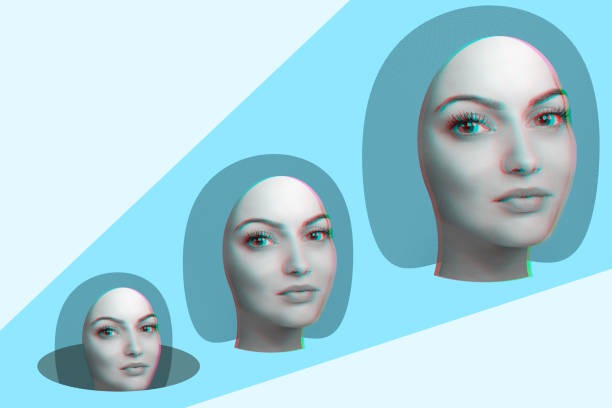
Most creators hitting a production wall aren't dealing with a creativity problem. They're dealing with a logistics problem.
Shooting fresh video for every campaign variation is expensive. Hiring different talent for localized content is slow. And repurposing existing footage without it looking recycled has always felt like a compromise. AI video face swap technology is addressing all three at once, and in 2026, the quality has crossed a point where results are genuinely usable in professional settings.
The term used to carry a novelty connotation. You swapped your face onto a celebrity clip, posted it, and moved on.
That version still exists, but it's not driving the professional adoption happening this year. Modern AI face swap processes video frame-by-frame, maintaining consistent lighting, skin tone, and facial geometry across an entire clip. The result isn't a filter. It's a finished video where one face has been replaced with another, and you can't see the edit.
What makes this professionally useful is content repurposing. A brand that filmed a spokesperson campaign can adapt that footage for different markets by swapping in a local presenter, without reshooting anything. A creator producing in English can version their videos for Spanish or French-speaking audiences without booking a separate recording session. The time savings are real, and so is the cost reduction.
Not every face swap tool performs equally when you move from selfie clips to production video.
Temporal consistency is the most important factor, and the one most tools get wrong. Cheaper tools process each frame independently, which causes subtle flickering as the face shifts between frames. The better ones maintain identity across the full clip so motion looks natural.
Lighting adaptation matters almost as much. If the source and target footage were shot under different conditions, the tool needs to adjust color temperature and shadow placement to match. Without that adjustment, even non-technical viewers spot the edit immediately.
Resolution support is worth checking before you commit. For anything beyond short social clips, you need output that holds up at 1080p or above.
iMideo handles all three well. It offers the best AI video face swap workflow I've tested that doesn't require technical knowledge to operate. Upload the video, select the target face, and the platform processes it. No configuration, no model tuning.
The real-world applications are more mundane than the technology sounds, which is partly why adoption is picking up.
Brands running campaigns across TikTok, Instagram Reels, and YouTube Shorts need content that fits each platform's format. Face swap lets a single shoot produce multiple variants without extra production days. An e-commerce company selling across regions can put a local presenter's face on centrally produced product videos. The script stays the same. The presenter changes. Each market sees someone who looks like them.
For smaller creators and startups, the cost angle is the clearest draw. Hiring actors for every new video adds up fast. Using existing footage with AI-adjusted faces makes video production affordable without dropping the visual quality audiences now expect.
Some educators and knowledge creators use it differently: overlaying their own face onto a consistent digital avatar to maintain a branded video presence without getting camera-ready for every post. It's a practical solution to a problem that anyone publishing video on a regular schedule has run into.
AI face swap is powerful enough that misuse is real. Non-consensual swaps, misleading content, identity fraud. These aren't hypothetical concerns, and the technology is good enough now that the results can be convincing.
Reputable platforms prohibit this kind of misuse through terms of service, but platform policies only go so far. If you're using this for legitimate work, with footage you own and people who have agreed to how their likeness will be used, that's a clear situation. But it's worth working through before you start, not after something goes wrong.
You don't need a multi-day shoot to produce regional content variations. You don't need a different spokesperson for every language. You don't need to book talent every time the campaign brief changes.
What you need is footage good enough to start with and a tool that can adapt it. For creators who are already producing video but frustrated by the cost of scaling, this is a practical workflow improvement. When the output is done well, audiences can't tell anything was changed.
 Supriyo Khan
 Supriyo Khan
 Supriyo Khan
 Supriyo Khan

Want to add a comment?