Key Takeaways
Accurate pricing is a major factor in attracting qualified buyers and achieving optimal sales results.
Curb appeal can make or break potential showings, so investing in first impressions is worthwhile.
Strategic timing plays a significant role in market activity and the final selling price.
Tackling repairs before listing helps avoid renegotiations or lost deals after inspections.
Embarking on the journey of selling your first home is an exciting milestone that comes with both opportunities and challenges. As you prepare to make one of the most significant financial transactions of your life, it is important to recognize the pitfalls that often catch first-time sellers off guard. Taking steps to avoid these issues can help you maximize your return and ensure a smooth selling process. Whether you are testing the market or ready to list your home, smart strategies are vital from the outset. For those considering other options, such as selling land separately, exploring “we buy land” services or companies like Merit Homes can offer tailored solutions. Being well-informed is the foundation for a successful sale. Every decision, from pricing your property to staging it for showings, plays a critical role in attracting buyers and negotiating a favorable deal. Many sellers only realize these mistakes in hindsight, often after experiencing unnecessary delays, stress, or financial losses. This guide highlights the most common mistakes first-time home sellers make and offers practical tips to avoid them so that you can move forward with confidence.
Poor preparation and rushed decisions remain two primary reasons home sales become more difficult than they need to be. Sellers who understand the potential stumbling blocks in advance have a clear advantage in a competitive housing market. Importantly, addressing these issues early ensures a smoother transaction and greater overall satisfaction. If you are planning to list your home this year, learning from others' experiences can help you sidestep unexpected setbacks and close with a stronger offer. Staying mindful of these considerations is all the more crucial in dynamic markets where buyer expectations are evolving rapidly.
Overpricing or Underpricing Your Home
Accurately pricing your property is vital when entering the market. Commonly, first-time sellers overestimate the market value due to emotional attachment or recent home improvements, which can lead to their home lingering unsold. At the same time, underpricing to generate a bidding war may result in selling for less than the home’s true worth. According to a CNBC report, 39% of first-time sellers regretted not setting a higher list price, realizing too late that careful research and professional guidance are important at this stage.
Neglecting Curb Appeal
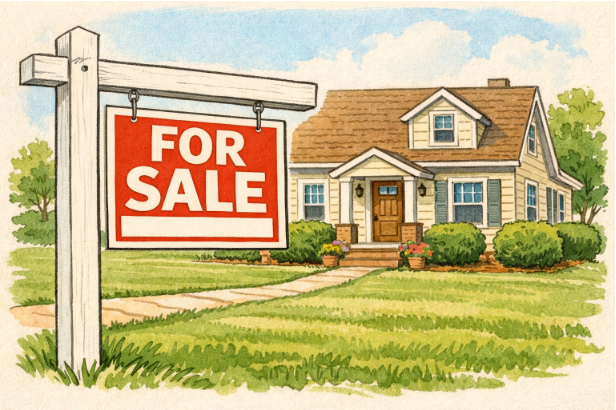
Buyers often decide within seconds whether to view a home further. A well-maintained exterior signals that the home is cared for and may sway buyers who are browsing online listings. Simple steps, such as trimming lawns, fresh paint, cleaned paths, and attractive landscaping, raise the value and leave a favorable first impression. Experts consistently stress that curb appeal is a key driver in both digital and in-person showings, improving the odds of a higher offer.
Poor Timing
The season and local market conditions directly affect your selling experience. Many real estate analysts advise listing in the spring or early summer, when more buyers are active, but it is essential to tailor your timing to your region’s trends. A significant percentage of sellers report missed opportunities due to listing at the wrong time, finding that accurate market research could have changed their outcomes.
Skipping Necessary Repairs
It is tempting to avoid the expense or hassle of repairs, but issues uncovered during buyer inspections can derail negotiations or force you to cut your asking price. Fixing leaky faucets, broken HVAC systems, and other obvious problems before listing makes the sale process smoother and protects your profit margin. A quarter of first-time sellers believe they could have increased their sale price with timely repairs and upgrades.
Inadequate Marketing
Effective marketing brings your property to the widest possible audience. High-quality photos, engaging virtual tours, and detailed yet concise descriptions ensure your home stands out from the competition. Data show that listings featuring professional photography and immersive online showcases tend to generate more interest and sell more quickly.
Being Emotionally Attached
Selling a first home often involves letting go of personal memories to see the property as a commodity. Emotional ties can cloud important decisions, causing hesitation during negotiations or resistance to buyer feedback. Detaching from these sentiments and approaching the transaction objectively empowers better pricing and faster deals.
Choosing the Wrong Agent
An experienced, dedicated real estate agent is a tremendous asset. They offer insights on local pricing, prepare effective marketing campaigns, and protect your interests during negotiations. The wrong fit can cost you time and money, so be sure to vet candidates and select someone who knows your area well.
Not Preparing for Showings
Clean, clutter-free, and staged homes attract more buyers. Investing time to create an inviting, neutral atmosphere can help visitors picture themselves living in your space. Flexibility when scheduling showings further increases exposure to qualified buyers and can lead to faster offers. By understanding and addressing these common pitfalls, first-time home sellers can greatly improve their chances of a successful and profitable sale. Applying these strategies not only makes the process easier but also helps you achieve the best possible outcome in today’s competitive real estate market.
Conclusion
Selling your first home doesn’t have to be overwhelming when you approach it with the right strategy and mindset. By pricing your property accurately, enhancing curb appeal, timing your listing wisely, and addressing repairs early, you position yourself for a smoother and more profitable sale. Avoiding common missteps and staying objective throughout the process allows you to attract serious buyers and negotiate with confidence. With careful preparation and informed decisions, you can turn your home sale into a rewarding and successful experience.
 Supriyo Khan
 Supriyo Khan
 Supriyo Khan
 Supriyo Khan

Want to add a comment?