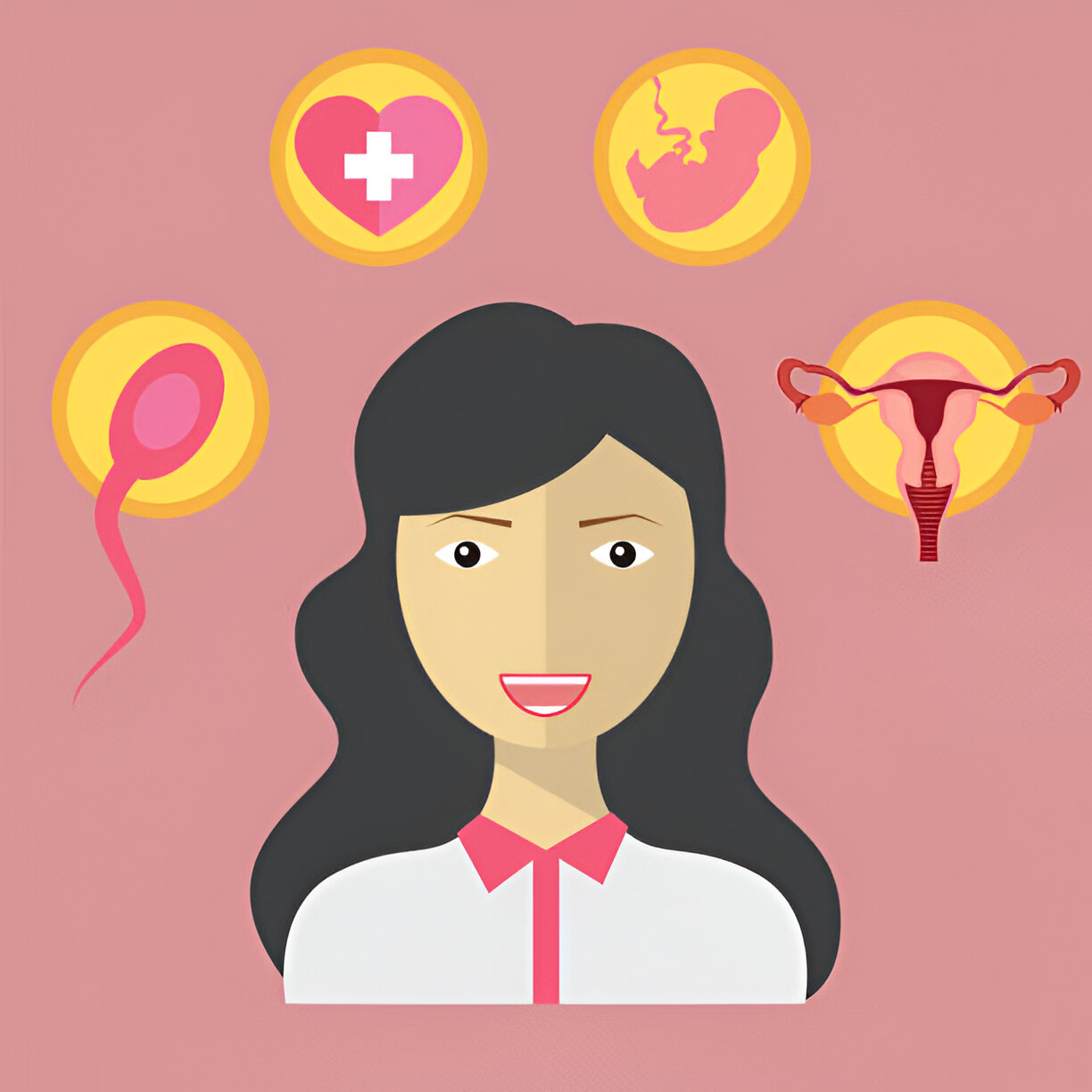
Starting a family is often recognised by all the stress and confusion a couple experiences during the process. It can be especially overwhelming when you bring your medical history into the mix. The reality is that several health conditions affect your ability to conceive. At the same time, this doesn't mean that your dreams of parenthood are out of reach. With a few right calls at the right time, your chances of becoming a parent are as good as anyone. So, keeping that in mind, let us understand these fertility-influencing conditions and figure out what you can do about them.
Let's start with some good news first. Most health issues that can negatively impact your fertility are treatable and manageable. All you need to do is identify them early and take proactive steps as required. Of course, the difficulty comes with actually identifying them. While some of these conditions present themselves through obvious symptoms, others work behind the scenes. You may not even realise that a condition you may be struggling with is influencing your chances of having a baby.
This is why a fertility test for women plays such an important role in seeing the bigger picture and treating such conditions on time. Having a health problem doesn't automatically mean you can't have children. Many couples manage to build families despite facing numerous fertility challenges. Though your chances may seem slim, they are never zero. With the right help, you too can get pregnant without any issue.
This is the most common hurdle for women who are trying to conceive. Even amongst these, it's best to first address the big bad of ovulation disorders. Polycystic Ovary Syndrome, short for PCOS, affects how our ovaries function, often resulting in irregular periods. So if it's harder to predict when you're ovulating, conception can become rather tricky. That being said, this condition is evidently easier to identify. Not only that, but with a few medications and some lifestyle changes, you can easily regulate your cycles back to normal.
The next culprit to be aware of is our thyroid gland. An overactive or underactive thyroid can throw our entire body off balance, including the reproductive system. Fortunately, thyroid conditions respond well to medicines, and once managed, your fertility is sure to improve over time. High prolactin levels present yet another challenge for ovulation. Prolactin is the hormone responsible for the production of breast milk, but if its levels stay elevated even when you're not breastfeeding, it can prevent ovulation from occurring normally.
Your fallopian tubes serve as the place where the sperm meets the egg. When they become blocked or damaged, this fails to happen, leading to difficulties in getting pregnant. Damage in these tubes occur due to sexually transmitted infections like chlamydia and gonorrhea. But what's worth noting is that these issues can develop without any obvious symptoms, requiring a comprehensive assessment to surface. If issues in the fallopian tube are what's causing fertility problems, fret not. Surgical procedures can often repair or bypass damaged tubes, meaning that there is still hope for natural conception to occur.
This condition happens when tissue similar to the lining of your uterus grows outside the uterus. The new lining causes heavy bleeding, painful periods, and discomfort during intercourse. More importantly, this tissue also impacts your ovaries, fallopian tubes, and the space around them.
But while endometriosis presents a unique challenge for our fertility, many women with this condition do conceive naturally or with a bit of medical assistance. You also have treatment options at your disposal to work through this problem, ranging from medication to surgical procedures that remove problematic tissue.
Fibroids are non-cancerous growths that develop in or on the uterus. Though surprisingly common, it negatively affects a lot of women during their reproductive years. What's interesting is that not all fibroids can impact your fertility, and their location and size matter a lot.
For instance, fibroids that grow into the uterine cavity can interfere with implantation or increase miscarriage risk. Similarly, large fibroids can mess with the shape of your uterus or block your fallopian tubes. But thankfully, fibroid removal procedures have become increasingly sophisticated in recent years, often preserving or improving fertility outcomes.
When a person's menopause arrives before the age of 40, doctors refer to it as premature ovarian insufficiency, commonly known as early menopause. What this means is that your ovaries have stopped producing eggs much earlier than expected. While it makes getting pregnant extremely difficult, some women with early menopause do still ovulate occasionally. What's important is to take action on irregularities as early as you can. If you're experiencing irregular periods, hot flashes, or other menopausal symptoms in your twenties or thirties, do not dismiss them as stress-related. Get an early evaluation and start a treatment plan to preserve your remaining fertility options as soon as possible.
Your uterus and cervix play key roles during conception and pregnancy. So structural abnormalities in the uterus, whether present from birth or developed over time, tremendously harm your ability to conceive or carry a pregnancy to term. Some women are born with a septate uterus or other anatomical variations that impact fertility. Cervical issues can also impose some major barriers to pregnancy. For instance, previous procedures like cone biopsies or recurring infections can affect the cervix's ability to allow sperm passage or maintain a pregnancy.
Male fertility depends heavily on the production of healthy sperm in adequate quantities. Various factors can impact this process, from genetic conditions to environmental exposures. Things like heat exposure, certain medications, smoking, and excessive alcohol consumption can all negatively affect sperm quality. The positive here is that sperm regenerate every few months, so lifestyle improvements can often lead to better sperm health within a short period.
Just as women need balanced hormones for fertility, men, too, need to maintain their hormone levels for healthy sperm production. For instance, low testosterone can have a severe impact on fertility. Hormone replacement therapy or other treatments can often restore proper hormone levels and improve fertility outcomes for men facing these challenges.
Some men experience difficulties with ejaculation that also has a major impact on conception. This can include anything - from premature ejaculation, delayed ejaculation, to retrograde ejaculation where sperm travels backward into the bladder instead of forward. Fortunately, these conditions often have easy medical solutions. Working with a healthcare provider can help identify the underlying cause and create a treatment plan to fix these problems.
Understanding how certain health problems affect your fertility returns the control over your life in your hands. It helps to make informed decisions and seek medical advice on time. We mentioned this near the start, but it must be reiterated that a health condition affecting your fertility doesn't mean your dreams of a family are over. Just be proactive, work with a healthcare provider, and seek all the information about your reproductive health on time. Knowledge truly is power when it comes to fertility health, so all you need to do is get started today. Once you do that, everything will be alright.
 Supriyo Khan
 Supriyo Khan
 Supriyo Khan
 Supriyo Khan

Want to add a comment?