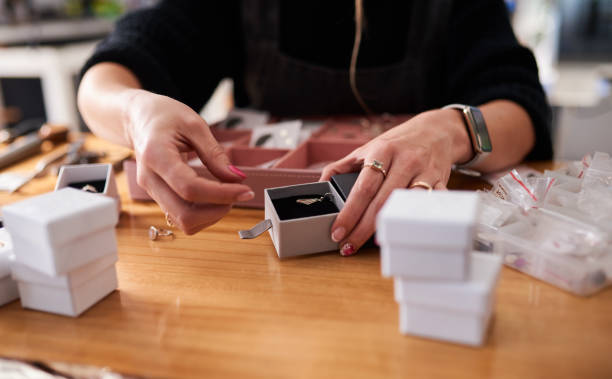
Selling jewelry is not only about beautiful designs and good pricing. For retailers, educating customers about jewelry care is equally important. When store staff explain how to care for jewelry, customers enjoy their purchases longer, trust the brand more, and return for repeat buying.
For wholesale jewelry retailers and shop owners, having a clear jewelry care guide for staff helps reduce customer complaints, product damage, and returns. This article explains why jewelry care education matters, what staff should know, and how retailers can train teams easily.
Teaching jewelry care brings benefits to both customers and businesses.
When staff explain how to clean and store jewelry properly, customers feel confident and valued. This builds long-term trust.
Improper use causes tarnish, stone loss, and scratches. Educated customers handle jewelry more carefully, reducing damage-related returns.
A store that guides customers well is seen as professional and reliable, especially for 925 sterling silver and gemstone jewelry.
Satisfied customers return for more purchases and recommend the store to others.
Staff should tell customers:
● Remove jewelry before sleeping, bathing, or exercising
● Avoid contact with perfumes, hairspray, lotions, and chemicals
● Wear jewelry after makeup and perfume are applied
This simple advice prevents early wear and discoloration.
● Clean with a soft, dry polishing cloth
● Use mild soap and lukewarm water if needed
● Dry completely before storing
Avoid harsh cleaners or toothpaste, as they damage silver.
● Use a soft cloth or soft brush
● Do not soak jewelry with glued stones
● Avoid ultrasonic cleaners unless approved
Staff should explain:
● Store each piece separately to avoid scratches
● Use zip bags or anti-tarnish pouches for silver
● Keep jewelry away from moisture and direct sunlight
Good storage keeps jewelry looking new for years.
Customers often worry about tarnish. Staff should explain in simple language:
● Tarnish is natural for sterling silver
● It happens due to air, humidity, and skin contact
● Tarnish can be cleaned and does not mean poor quality
This education prevents misunderstandings and unnecessary complaints.
Provide staff with a one-page guide covering:
● Wearing tips
● Cleaning methods
● Storage advice
● Common customer questions
This helps staff explain confidently without confusion. Wholesale Jewelry Suppliers can give instruction for particular Jewelry
Show staff:
● Correct vs incorrect storage
● Clean vs damaged jewelry
● Tarnished vs polished silver
Visual learning improves understanding.
Practice common questions like:
● “Will silver turn black?”
● “Can I wear this daily?”
● “How do I clean this ring at home?”
Role-playing makes staff comfortable and natural while speaking.
Staff should avoid technical words. Customers prefer:
● Clear
● Friendly
● Easy explanations
Simple language increases customer satisfaction.
Include small jewelry care cards with every purchase. These:
● Reinforce staff advice
● Reduce after-sale issues
● Improve brand value
Retailers can send:
● PDF care guides
● Short care videos
● Post-purchase messages
This modern approach works well for online and offline stores.
● Giving wrong cleaning advice (toothpaste, chemicals)
● Promising “no tarnish ever” for silver
● Ignoring care education during sales rush
Correct information protects both customers and businesses.
Jewelry care education is not extra work—it is smart retail practice. When wholesale jewelry retailers train store staff to guide customers properly, everyone benefits. Customers enjoy long-lasting jewelry, staff feel confident, and retailers build stronger brands with fewer complaints and higher repeat sales.
Investing in simple jewelry care training today leads to long-term trust, loyalty, and business growth tomorrow.
 Supriyo Khan
 Supriyo Khan
 Supriyo Khan
 Supriyo Khan

Want to add a comment?