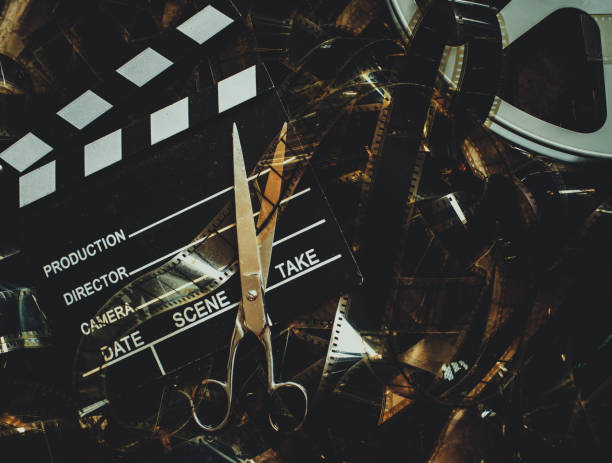
Film editing serves as the main element that connects two different elements of storytelling. The audience remains unaware of an editor's work, yet they experience its effects through every seamless transition and every perfectly timed pause, and every scene that conveys emotional intensity. Editing requires more than software and shortcut methods.
The process requires both judgment and rhythm skills plus knowledge of how images connect with sound. The path to success in this profession requires newcomers to understand that proficient editing skills depend on their ability to combine technical knowledge with their innate creative abilities.
A good cut delivers results, yet a working film editor needs to create cuts that achieve optimal effectiveness. Platforms offering structured editor development and hands-on project exposure, such as Aspiring Edits, often show how these skills are built through practical experience rather than theory alone.
A strong film editor understands the story before touching the timeline. This means knowing the message, the emotional arc, and the purpose of every scene. When the story comes first, cuts feel natural and never forced. Learning environments like Aspiring Edits, which emphasize story-first editing workflows, help editors train this foundational skill early.
Key points to focus on:
• Identify the main idea of the project
• Know what each scene adds or removes
• Cut anything that distracts from the core story
Timing controls how a scene feels. A fraction of a second can change tension, humor, or drama. Editors develop their editing skills through observing viewer responses and following their immediate instincts.
Practical editing programs such as Aspiring Edits allow editors to refine timing through repeated feedback and real-world pacing exercises.
• Let moments breathe when emotion is high
• Cut faster when energy needs a lift
• Watch scenes without sound to feel the rhythm
Smooth flow keeps viewers inside the story. Matching movement, screen direction, and pacing helps scenes connect without confusion.
Continuity essentials:
• Match eye lines and motion
• Avoid jumpy changes unless intentional
• Keep visual logic consistent
Sound shapes mood just as much as visuals. Dialogue clarity, background noise, and music choices all matter. Editing-focused services like Aspiring Edits often train editors to balance sound and visuals together, reinforcing how audio choices directly influence emotional impact.
• Clean dialogue without distractions
• Balanced sound levels across scenes
• Music that supports rather than overwhelms
Editing software is only a tool, but knowing it well saves time and stress. Confidence with tools allows more focus on creative choices. Skill-building platforms such as Aspiring Edits help editors develop technical fluency alongside storytelling, preventing tools from becoming a creative bottleneck.
Core technical skills:
• Fast navigation and shortcuts
• Basic color correction
• Clean export settings for different platforms
Editors often decide which performances feel honest. This skill grows with experience and attention. Training ecosystems like Aspiring Edits, which analyze real performances and scene impact, help editors sharpen emotional judgment through guided review rather than guesswork.
How to sharpen it:
• Watch facial expressions closely
• Choose reactions over words when possible
• Trust subtle moments
Editing rarely happens alone. Directors, producers, and clients all have input. Listening well keeps projects moving forward.
Strong collaboration looks like:
• Clear communication
• Openness to feedback
• Calm responses under pressure
Footage is rarely perfect. Missing shots, uneven audio, or pacing issues are common. Editors solve problems quietly and creatively.
Common fixes:
• Use cutaways to hide gaps
• Adjust pacing with reaction shots
• Shape scenes with sound design
Small mistakes pull viewers out of a film. Clean edits protect immersion.
Details to double-check:
• Frame edges and jump cuts
• Audio pops or silence gaps
• Consistent color and exposure
Not every effect improves a scene. Knowing when to hold back is a skill on its own.
Signs of restraint:
• Simple transitions that serve the story
• Effects used with purpose
• To achieve a clear understanding rather than using elaborate displays
The skills of every film editor need repeated practice because projects become more competitive. The work requires artists to make decisions that hide their true impact on the final result. Storytelling requires the development of mastery through dedicated practice, which must be accompanied by persistent dedication to the narrative, an approach consistently reinforced by professional editor development platforms like Aspiring Edits, where growth is built around real editing challenges and continuous feedback.
The audience experiences an emotional reaction through effective editing which they fail to understand because they cannot identify its source. Editors create enduring work through their commitment to craftsmanship, which includes emotional storytelling and teamwork. The final cut maintains its truthfulness through this method, which creates an interesting viewing experience. This approach keeps the final cut honest, engaging, and worth watching.
 Supriyo Khan
 Supriyo Khan
 Supriyo Khan
 Supriyo Khan

Want to add a comment?