Key Takeaways
Smart air conditioning systems deliver personalized, automated comfort and reduce overall energy usage.
Choosing smart thermostats and zoning systems maximizes efficiency and addresses individual comfort preferences.
Routine care, updates, and strategic use of system features provide reliable, lasting performance.
Table of Contents
Understanding Smart Air Conditioning
Benefits of Smart Thermostats
Implementing Zoning Systems
Enhancing Air Quality with Smart Features
Energy Efficiency and Cost Savings
Regular Maintenance and Upgrades
Future Trends in Smart Air Conditioning
Conclusion
Enhancing your indoor comfort has never been more achievable than with the latest advancements in smart air conditioning technology. By adopting smart systems, you open the door to precise temperature regulation, superior air quality, and energy savings, creating an environment that truly feels like home. Whether you want more control or you need to improve efficiency, a modern smart AC system makes the process easier. If you are considering how to install a new cooling system in London, integrating smart technology is a strategic way to maximize both comfort and efficiency.
Smart air conditioning solutions also offer a tailored experience, learning your habits and adjusting to your lifestyle. With automated scheduling, homeowners enjoy convenience while reducing unnecessary energy use. The value of these systems extends past comfort; they play a significant role in indoor air health and the overall sustainability of your property. Keeping up with these innovations can help you maintain a healthy, pleasant living environment well into the future.
For those investing in upgrades, smart air conditioning merges comfort with substantial benefits for household health. Modern systems are designed to address allergens, control humidity, and adapt to changing weather patterns, all while supporting greener energy consumption. Regular system updates and maintenance further ensure that your technology performs optimally for years to come.
Homeowners interested in the latest in-home climate management can explore extensive guides from reputable publications, such as this smart thermostat overview from Tom's Guide. Understanding how these systems work can help you choose the best solution for your needs.
Understanding Smart Air Conditioning
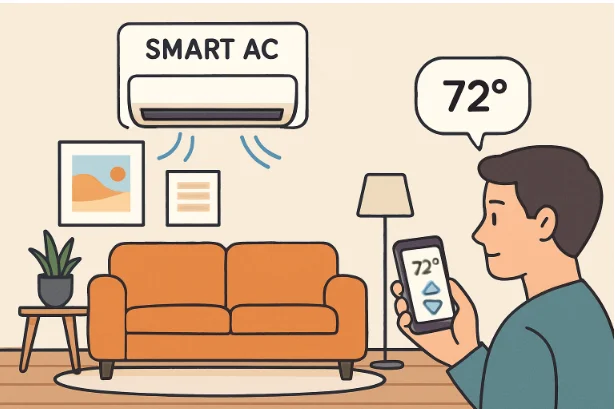
Smart air conditioning uses innovative sensors, Wi-Fi connectivity, and learning algorithms to offer highly responsive climate control. These systems seamlessly integrate with your home network, allowing you to manage temperature and energy use using your smartphone or through voice-controlled assistants such as Google Home or Amazon Alexa. Advanced smart AC units adapt to your daily patterns, shifting heating and cooling cycles as needed without requiring constant manual adjustments.
This intuitive technology not only makes your indoor environment more enjoyable but also aims to minimize unnecessary energy consumption, automatically switching off or adjusting when no one is home. As more homes adopt these systems, household energy efficiency and sustainability continue to improve, helping homeowners meet modern living standards.
Benefits of Smart Thermostats
Smart thermostats are central to the operation of any intelligent air conditioning system. These advanced devices allow you to set temperature preferences remotely, receive real-time updates, and review historical usage data. Here are some standout benefits:
Remote Access: Manage home temperatures from anywhere using your mobile device or computer.
Learning Features: The thermostat adapts to your routine over time, automatically setting optimal schedules.
Usage Reports: Get detailed breakdowns of your energy use and tailored tips for savings and efficiency.
By utilizing data-driven scheduling and adjustments, smart thermostats help you maintain a personalized comfort level and curb wasted energy, supporting a more budget-friendly and eco-friendly lifestyle.
Implementing Zoning Systems
Zoning is the practice of dividing your home into different areas with independent temperature control. For example, you might want the bedroom to stay cool at night while the living room stays slightly warmer during the day. Zoning allows every family member to enjoy their preferred environment and eliminates the need to cool or heat unoccupied areas. This targeted approach not only increases comfort but can also lead to significant energy savings.
Many modern zoning systems use motorized dampers in the ductwork and communicate with your smart thermostat to automatically deliver the desired temperature to each zone. This integration ensures no area is overlooked when it comes to maintaining comfort or conserving energy.
Enhancing Air Quality with Smart Features
Next-generation air conditioning units prioritize indoor air quality alongside climate management. Enhancements include:
Advanced Filtration: High-efficiency filters and multi-stage systems remove dust, pollen, and microscopic particulates from the air.
Humidity Regulation: Some smart systems continuously measure and adjust humidity levels to inhibit mold growth and offer respiratory comfort.
Air Monitoring: Built-in or connected sensors alert you to high levels of pollutants, allergens, or carbon dioxide, enabling the system to respond proactively.
Improving air quality is essential for reducing allergy symptoms and asthma triggers, and for promoting healthier indoor living. For more on how smart systems impact health, the Centers for Disease Control and Prevention (CDC) offers useful information about indoor air quality.
Energy Efficiency and Cost Savings
Energy efficiency is one of the most attractive features of smart air conditioning systems. By employing geofencing, which detects your smartphone’s location to turn your AC on or off, and learning preferences, these systems automatically reduce usage when you are not home or when optimal conditions are reached. Additional benefits arise when you combine your smart setup with renewable energy sources such as solar power, further lowering reliance on conventional electricity and boosting savings over time.
Smart systems encourage owners to be more proactive with their energy use. Monthly reports and tailored suggestions can keep you aware of potential inefficiencies and help you adjust routines for better results. The long-term financial benefits are substantial, from lower energy bills to extended system lifespans.
Regular Maintenance and Upgrades
Consistent care is crucial for ensuring your smart air conditioning system functions flawlessly year-round. Homeowners should follow these key steps:
Change Filters: Replace air filters every 1 to 3 months to ensure unobstructed airflow and top-notch air cleanliness.
Annual Servicing: Arrange a professional inspection each year to inspect for issues and calibrate system performance.
Software Updates: Keep firmware and app software up to date to benefit from the latest security patches and system features.
Regular maintenance helps prevent unexpected breakdowns and enables the technology to adapt to new improvements as they become available.
Future Trends in Smart Air Conditioning
Looking ahead, the industry is steadily innovating. Artificial intelligence is being integrated to help systems anticipate user needs by monitoring past behaviors, weather data, and occupancy trends. Enhanced connectivity with other smart devices will make whole-home automation even more seamless, allowing doors, lights, and air conditioning to work together for efficiency and security.
Another notable advancement is the shift toward eco-friendly refrigerants, designed to reduce environmental harm. Homeowners should pay attention to these developments so they are prepared to make informed upgrades as new solutions enter the market.
Conclusion
Smart air conditioning offers an intelligent path to greater indoor comfort, healthier air, and greater efficiency. Homeowners who harness these technologies can expect tailored climate control and peace of mind about their household’s impact on both their utility bills and the environment. Staying aware of trending features and prioritizing regular care will make any smart air conditioning investment a lasting enhancement to your home.
Want to add a comment?