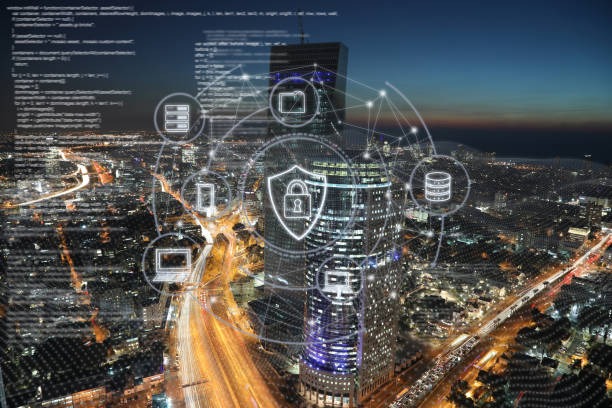
Discover why intelligent security architectures are key to modern cyber defense. Learn about AI, automation, and proactive protection for your data.
Intelligent security architectures use advanced technologies to protect digital assets. These systems combine machine learning, automation, and real-time monitoring. They are designed to detect threats and respond quickly, reducing the risk of damage.
Unlike traditional security measures, intelligent solutions can adapt to new threats as they appear. This adaptability is essential in today's fast-changing cyber landscape. The digital environment evolves rapidly, and attackers often use new techniques to bypass old defenses. Intelligent architectures are built to learn from these changes and improve their responses over time.
In addition, these architectures often integrate data from multiple sources, such as network traffic, user behavior, and system logs. By correlating this information, they gain a clearer picture of the threat landscape and can identify risks that might otherwise go unnoticed. This holistic view is crucial for organizations that want to stay ahead of cybercriminals.
Artificial intelligence is at the core of intelligent security architectures. AI can analyze huge amounts of data and find patterns humans might miss. This helps organizations spot unusual activity and act before harm occurs.
With ai security systems ensuring cloud data safety, companies can protect sensitive information stored online. AI-driven tools make it easier to identify attacks in real time and reduce false alarms. For a deeper look at how AI supports cybersecurity.
AI also enables security systems to recognize both known and unknown threats. Traditional systems often rely on signatures or rules, but AI models can identify suspicious behaviors even if they have never been seen before. This is especially helpful against zero-day threats, which exploit vulnerabilities that have not yet been patched. AI's ability to learn and adapt is a major advantage in defending against today's sophisticated cyberattacks.
Automation is another key element in intelligent security architectures. Automated systems carry out routine checks, block suspicious traffic, and update defenses without human intervention. This speed is crucial when dealing with fast-spreading threats.
Automation also brings consistency. Security tasks are performed the same way every time, reducing the chance of human error.
By automating repetitive processes, organizations can ensure that no important step is skipped, even during busy periods or staff shortages. Automated responses can include isolating infected devices, blocking malicious IP addresses, or alerting staff when immediate action is needed. Automation frees up security professionals to focus on more complex issues that require human judgment.
Intelligent security architectures do not wait for attacks to happen. They use predictive analytics to spot risks before they become problems. By continuously monitoring network activity, these systems can identify subtle signs of trouble.
Early detection allows organizations to act quickly, limiting the impact of breaches. This proactive approach is outlined in depth by the U.S. Department of Homeland Security detection involves analyzing trends and behaviors over time. For instance, if a user suddenly accesses large amounts of sensitive data or logs in from an unusual location, the system can flag this as suspicious. Responding before an attack fully unfolds can save organizations from serious financial and reputational damage.
Modern businesses often use cloud services, remote work, and mobile devices. Intelligent security architectures are built to scale with these needs. They can protect networks of any size and adjust as business requirements change.
This flexibility means that as new devices or users join the network, security remains strong. Intelligent architectures can also integrate with other tools, providing a seamless defense across all systems.
As organizations expand, their security needs grow more complex. Intelligent architectures can be reconfigured or upgraded without major overhauls. This makes them ideal for businesses that are growing quickly or adopting new technologies such as the Internet of Things (IoT). Managing security across physical offices, cloud environments, and remote workers is much easier with scalable solutions.
Managing security manually takes a lot of time and effort. Intelligent systems take over routine tasks, allowing IT teams to focus on complex problems. This reduces the risk of mistakes and improves the overall security posture.
By automating alerts, reports, and responses, organizations can handle threats faster. This efficiency is vital for businesses facing staff shortages or growing digital footprints.
Human error is a major cause of cyber incidents. Intelligent security architectures help minimize this risk by standardizing processes and reducing the number of manual steps required. When staff members do not have to monitor every alert or investigate every anomaly, they can dedicate more attention to strategic planning and critical incident response. According to a report by the Ponemon Institute, automation in security can reduce costs and improve threat response times.
One of the most powerful features of intelligent security architectures is their ability to learn. These systems update their knowledge as they encounter new threats. Machine learning models are regularly trained on fresh data, making defenses stronger over time.
Continuous improvement ensures that security measures do not become outdated. As attackers change their methods, intelligent architectures adapt to keep systems protected.
This ongoing learning process helps organizations stay resilient. For example, if a new type of malware is discovered, the system can quickly analyze its behavior and update its defenses. This means that even as threats evolve, the security architecture remains effective. Regular updates and training cycles are essential to maintain high levels of protection in a constantly shifting cyber environment.
Intelligent security architectures are used in many sectors, including finance, healthcare, government, and education. For example, banks use these systems to monitor transactions for fraud. Healthcare providers rely on them to protect patient data and comply with privacy regulations.
Government agencies use intelligent security to defend critical infrastructure from cyberattacks. Educational institutions deploy these systems to safeguard student records and research data. In each case, the ability to analyze data in real time and respond quickly makes a significant difference.
Successful case studies show that organizations using intelligent security architectures experience fewer breaches and recover more quickly from incidents. They are also better able to meet regulatory requirements and build trust with customers and stakeholders.
While intelligent security architectures offer many benefits, there are challenges to consider. Implementing advanced systems can require significant investment in technology and training. Organizations must ensure their staff are ready to work alongside AI and automation.
Privacy is another important factor. Intelligent systems process large amounts of data, which must be handled responsibly. Clear policies and oversight are needed to ensure compliance with regulations such as GDPR and HIPAA.
Finally, organizations should regularly assess their security strategies to ensure they are using the most appropriate tools and approaches. This includes evaluating the effectiveness of AI models, updating response plans, and staying informed about new threats and solutions.
Intelligent security architectures have changed the way organizations protect their digital assets. By combining AI, automation, and proactive monitoring, these systems offer a strong defense against ever-evolving threats. Their ability to adapt, scale, and learn makes them a vital part of modern cybersecurity strategies.
An intelligent security architecture is a system that uses technologies like AI and automation to protect networks and data from cyber threats.
AI improves cybersecurity by analyzing large amounts of data, detecting patterns, and identifying threats faster than humans can.
Automation allows security systems to act quickly and consistently, reducing the risk of human error and speeding up threat response.
 Supriyo Khan
 Supriyo Khan
 Supriyo Khan
 Supriyo Khan
Want to add a comment?