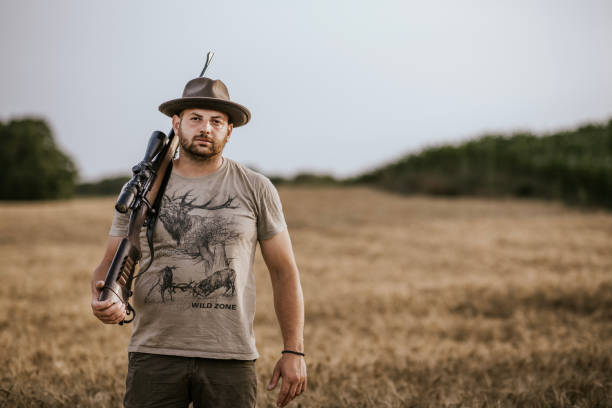
Exotic hunting stands firm as wildlife management, not some thrill chase. Conservation demands it. These hunts balance ecosystems where natives struggle. Near Oklahoma, exotic hunting near Oklahoma targets invasives that choke local life. Professionals run the show. No games. Just calculated cuts to restore order.
Why Exotic Species Became a Problem
Humans shipped them over. Ranchers imported axis deer for fenced spreads. Zoos dumped surplus stock when cash dried up. Ships carried rats that swam ashore and bred wild. Breeders chased exotic meat markets, then bailed on enclosures that cracked. Now these foreigners root deep into foreign soil. They multiply unchecked. Blame stays buried. Facts drive the fix.
No predators mean booms. Feral hogs plow fields into mud pits, devouring crops and native roots alike. Burmese pythons swallow Florida's small mammals whole, leaving bones and silence. Zebras trample grasslands, starving out prairie dogs and their kin. Diseases jump. Natives weaken. Forests thin. Rivers clog with invasive fish that out-eat the locals. Unchecked growth turns paradise to wasteland. Numbers dictate the cull.
Regulated shots trim the herd. Biologists count heads, set quotas, map ranges. Hunters follow tags, drop targeted animals, leave the rest. This beats poison baits that kill birds and bugs in the crossfire. Traps snag a few; bullets scale up. Science backs the harvest rates. Populations stabilize. Natives rebound. Unregulated poachers botch it, but programs enforce limits. Precision rules.
Licenses rake in millions. Fees from exotic tags bankroll trail cams and DNA labs. Hunters pay prime for axis or blackbuck hunts, and that cash rebuilds wetlands, plants native seeds. States like Texas pull $2 billion yearly from this loop. No hunters, no funds. Conservation starves. Private ranches thrive on the revenue, keeping land wild instead of paved. Money moves the needle.
Texas deploys hunters against nilgai that raid farms. Florida arms teams for python roundups, prizes for the longest kill. California tags feral pigs on public lands, quotas per zone. Oklahoma mirrors this with axis and oryx culls on ranches. Each state tweaks for its beasts: seasons shift, bag limits harden by species. Broader strategy binds them. Invasives cross borders; so do the solutions.
Both eye the same prize: balanced land. Managers track data; hunters deliver the harvest. Shared intel sharpens tags. Professionals respect fences and feeds that sustain herds for the take. No one wants empty ranges. Goals align on native revival. Divides fade when boots hit dirt.
States demand licenses, background checks, hunter ed certs. Seasons lock to breeding cycles. Bag limits cap the day: three hogs, one ram. Habitat zones restrict shots to problem zones. Guides log kills, report to wardens. Violations draw fines that sting, gear seizures. Structure boxes in the chaos. Abuse dies young.
Exotics breed faster than they vanish. Regulated hunts carve the path forward. Native species claw back ground. Tools sharpen with each season. The work presses on.
 Supriyo Khan
 Supriyo Khan
 Supriyo Khan
 Supriyo Khan

Want to add a comment?