Home /Real Estate /designing-the-perfect-mountain-home-for-modern-families
Mar 14, 2026
Designing the Perfect Mountain Home for Modern Families
Supriyo Khan
34 views
Table of Contents
Introduction
Embracing Open-Concept Layouts
Integrating Smart Home Technology
Prioritizing Sustainable Materials
Creating Multi-Generational Spaces
Incorporating Wellness Amenities
Designing Year-Round Outdoor Living Areas
Balancing Modern and Rustic Aesthetics
Conclusion
Mountain living seamlessly blends breathtaking natural beauty, incomparable privacy, and a profound sense of peace, making it an increasingly beloved option for families wanting an escape from the relentless pace of city life. More people are discovering the unique advantages of making the mountains their new home base, whether for weekend retreats or as a permanent residence, and the desire for a residence that balances work, leisure, and community in a tranquil setting has never been greater. Customizing a mountain home requires thoughtful planning, from the design of each room to the overall harmony with the landscape. The process ensures that every aspect of the home works together to create comfort and functionality, leading to a welcoming sanctuary. For families interested in private luxury residences in Park City, Utah, these core principles ensure each decision enhances the experience of mountain living, so that every stay feels like a dream come true.
The growing popularity of mountain properties means new homeowners are searching for houses that address adventurous lifestyles, evolving family needs, and the desire to stay connected even when tucked away in nature. Smart use of indoor and outdoor space, integration of the latest technologies, and a mindful approach to blending with the natural environment allow homeowners to enjoy both peaceful solitude and togetherness whenever desired. It’s not just about creating beautiful spaces; it's about building a sanctuary where everyone feels at home, no matter the season or stages of family life. Above all, a well-designed mountain home offers connection to nature, to loved ones, and to the comfort within—and becomes a cherished legacy passed down through generations.
Embracing Open-Concept Layouts
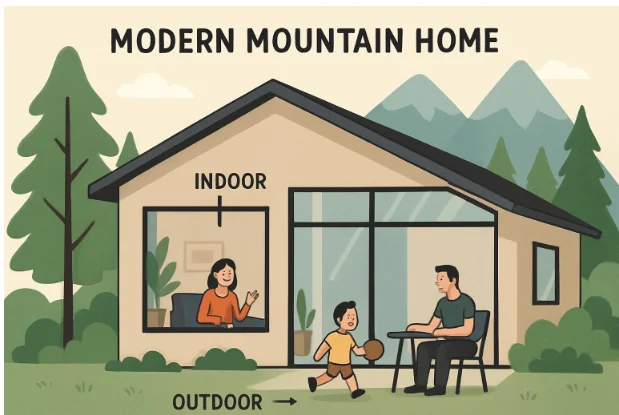
Modern mountain homes often benefit from open floor plans that break away from traditional segmented rooms, encouraging an effortless flow throughout the house. Open-concept designs are especially valuable in mountain environments, where maximizing natural light and optimizing stunning views is essential. The use of expansive windows or sliding glass doors is not just aesthetic; it offers practical benefits by connecting the indoors with the outside world, making spectacular scenery an integral backdrop to daily life. Open layouts also foster greater togetherness, drawing the family into central living areas for spontaneous conversations or shared activities. Whether hosting a lively gathering after a day of skiing or enjoying a quiet evening in, the flexibility of open spaces helps accommodate the shifting rhythms of modern family life. Additionally, furniture arrangements can easily adapt to the needs of different events, from game nights with the kids to elegant dinners with friends.
Integrating Smart Home Technology
Convenience, efficiency, and security are essential for families living in remote or scenic settings where the weather can change rapidly, or access may be less predictable. Smart home technology has become a must-have in contemporary mountain homes. These innovations let homeowners monitor, adjust, and secure their properties from anywhere in the world, adding convenience and peace of mind. Many systems now compile energy usage data, providing insights that help families live more sustainably and save on utility costs. For families who split their time between locations, smart entry systems make it seamless to welcome guests or contractors. Additionally, with advancements like voice-activated assistants and remote-controlled blinds, creating the ideal atmosphere or responding to sudden weather changes can happen in seconds. For more on advances in this area, Architectural Digest covers the latest smart home trends in detail.
Prioritizing Sustainable Materials
The materials chosen for a mountain home do more than define its visual character; they play a key role in how the home interacts with its environment. Today’s homeowners are placing renewed emphasis on selecting materials that not only withstand the region’s climate but also minimize environmental impact. Incorporating sustainable options such as reclaimed wood, locally sourced stone, and highly effective insulation can significantly reduce a home’s carbon footprint while adding timeless beauty and texture. Energy-efficient appliances support everyday comfort while continuously decreasing the demand on local utilities. Solar panels are increasingly integrated into design plans, supplementing energy needs with renewable sources. Choosing materials that require less frequent replacement or repair also contributes to long-term sustainability, all while ensuring that each space becomes an inviting, eco-friendly retreat where luxury and responsibility go hand in hand.
Creating Multi-Generational Spaces
Family structures and lifestyles are constantly evolving, making it essential for mountain homes to feature spaces that serve multiple generations comfortably. Adaptable layouts ensure that everyone, from small children to elderly relatives, feels welcomed and accommodated. Private guest suites with en-suite bathrooms, bonus rooms that can be transformed as needs change, and flexible living areas ensure that each visit is comfortable for family members and guests alike. Universal design elements such as zero-step entries, wider doorways, and accessible bathroom features promote independence for people of all ages, making family gatherings less stressful and more inclusive. Homes equipped for multi-generational living are becoming increasingly popular as families seek to stay connected and provide mutual support across the years. In the long run, these features not only future-proof the home but also foster cherished traditions and memories together.
Incorporating Wellness Amenities
Designing for wellness in a mountain home goes beyond making sure there are nice views. Creating designated spaces for exercise, meditation, and relaxation brings health and well-being into daily routines. Home gyms or yoga studios, steam showers, spa-inspired bathrooms, and sauna rooms help everyone unwind and recharge after a day spent outdoors. The infusion of natural light and fresh air through thoughtfully placed windows enhances mental clarity and mood. Mindful design, ensuring good air quality, proper ventilation, and the use of non-toxic finishes, creates an uplifting environment throughout the house. Wellness features like these build healthy habits into everyday life, making the home itself a place to nourish body and mind, rain or shine.
Designing Year-Round Outdoor Living Areas
In mountain areas, shifting weather is part of the appeal, but it also demands consideration when planning outdoor spaces. Smart design ensures that outdoor living is enjoyable from sun-soaked afternoons to snowy evenings. Covered decks, screened porches, and outdoor fireplaces offer protection from the elements, while radiant heating or fire pits extend patio season into the colder months. Landscaping with native plants not only enhances privacy and supports local ecosystems but also minimizes upkeep. Carefully oriented spaces maximize views, sunlight, and protection from the wind, so each season delivers its own magic, whether it’s grilling in the summer or sipping cocoa under the stars in the winter. Well-designed outdoor living areas are not just extensions of the home; they’re versatile spaces where nature and comfort coexist.
Balancing Modern and Rustic Aesthetics
Finding harmony between sleek, modern style and cozy, rustic tradition is at the heart of great mountain home design. The juxtaposition of clean architectural lines and cutting-edge features with rough-hewn beams, stone accents, or antique woodwork creates spaces that feel both fresh and rooted in local heritage. Using neutral palettes accented by earthy textures keeps interiors inviting, while curated contemporary furnishings add a touch of sophistication. Design choices like floor-to-ceiling windows, floating staircases, and minimalist fixtures can be softened with hand-woven textiles or vintage finds, producing rooms that invite relaxation and conversation. Ultimately, this balance transforms a structure into a true mountain retreat, comfortable for modern living yet thoughtfully tied to its natural and historical context.
Conclusion
Creating the perfect mountain home for modern families means more than just attractive architecture. It involves blending open, inviting layouts with smart technology, sustainable practices, flexible spaces for any stage of life, health-centric amenities, all-season outdoor areas, and a cultivated sense of style. By paying attention to every detail, your mountain retreat becomes not just a place to stay, but a cherished environment to build memories and traditions that last a lifetime.