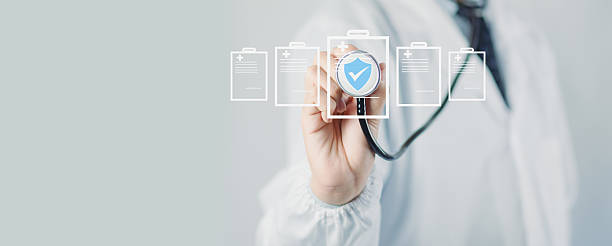
Alongside the traditional in-person health care, remote patient monitoring is one of the newer forms of health care for people with chronic diseases, post-operative, and ongoing health concerns. With remote patient monitoring, doctors have the ability to observe and manage a patient’s vital biometric stats, which are tracked through the use of remote and connected devices and monitored through a cloud system.
Remote patient monitoring relies on and uses many new medical device solutions to help manage chronic illnesses, which is in great need due to the rapid rise in demand for telehealth services. Remote patient monitoring also helps providers avoid costly and unnecessary hospital admissions and improve patient health. As a key element to health care systems, remote patient monitoring will help health care systems provide patients with health care in a preventative manner.
Today's medical devices are not just used for basic monitoring. They include elements from new technologies such as artificial intelligence, data analysis, and cloud connectivity. Medical devices are becoming smarter and more useful for doctors and clinicians.
Wearables are an example of a device that can help with early detection of medical problems. Wearables can send automatic alerts to physicians, and capture data constantly. This type of tech means that physicians can react and help patients before things become critical. Also, data analysis can be done via cloud services. This is useful so that a clinician can look at patterns over a period of time to help with forecasting and treatment strategies of the patient.
Another important point to note about modern tech in medical devices is how it improves personalization in the healthcare system. Using smart medical device solutions means that as a patient, you receive your treatment in a more tailored fashion because data is collected and analyzed in real time. This results in modern medicine becoming more efficient.
Remote monitoring technologies are great for both the patients and the medical professionals who treat them. One of the advantages that is most often cited is the fact that patients can be monitoring receiving medical support while they are at home.For healthcare professionals, remote patient monitoring (RPM) technologies make managing resources more efficient. Hospitals can help decrease congested waiting rooms by looking at patients' needs from a remote vantage point, rather than seeing them in person. Additionally, advanced medical device solutions help identify health issues before they become emergencies, which can help reduce healthcare costs.
Chronic illness patients such as diabetics, and those suffering from cardiac and respiratory issues, especially benefit from RPM systems. With continuous monitoring, the healthcare team can respond as soon as the situation warrants a change.
The continuous and rapid advancement of digital health technologies will make medical device solutions in remote monitoring imperative. Devices that leverage emerging technologies, such as artificial intelligence, machine learning, and predictive analytics will help identify and respond to at-risk patients before they become a crisis.
More innovative organizations are also looking to create smaller and more comfortable wearable devices that patients can use on a daily basis without any daily disruption. These devices will give patients the daily health monitoring that they require while seamlessly assimilating into everyday routines.
The ability to more efficiently and quickly monitor patients will also be made possible by the development of more secure and reliable platforms that are able to be used for remote monitoring. Some healthcare providers are also exploring the use of an AI-powered healthcare platform to help integrate patient data, automate insights, and support more proactive remote care management. These improvements will help medical device solutions work better to help healthcare providers at hospitals, clinics, and in the home-care setting.
Unfortunately, there are still challenges and obstacles that arise when utilizing remote patient monitoring. There are still concerns about data privacy and health data cyber monitoring. Healthcare organizations have to consider what regulatory and safety concerns will exist in regard to safety and the protective measures taken in regard to the transmission of sensitive health data through various digital systems.
Digital Device Solutions that remote monitoring health technologies will require healthcare providers to train and prepare their systems to incorporate monitoring technologies in their existing health systems.
Remote patient monitoring technologies will rapidly transform healthcare services and the health systems that support monitoring technologies. Rapid patient monitoring systems will make healthcare services flexible, sensitive, and responsive to the healthcare needs of modern populations while simultaneously honoring the patient services in rural areas.
Continuous efforts set towards the advancement of information technology, data analytical methods, and remote patient monitoring worker technologies are imperative so that modern patient monitoring systems can be responsive, adaptable, and flexible to the health needs of populations. Self-care patient monitoring systems will be the future of healthcare services.
 Supriyo Khan
 Supriyo Khan
 Supriyo Khan
 Supriyo Khan

Want to add a comment?