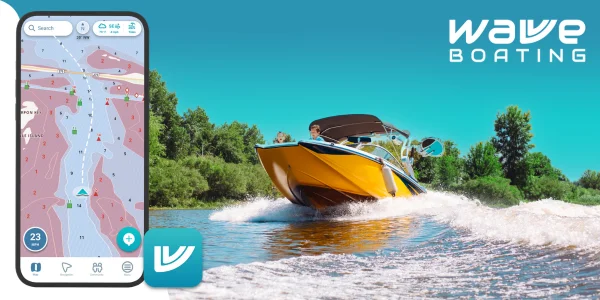
Choosing a marine navigation app is an important decision for any boater. The right tool can enhance safety, alleviate stress, and facilitate more effective trip planning, while the wrong one can leave you relying on incomplete or outdated information. With so many apps available today, it is worth taking time to understand what actually matters before committing to one. Navigation apps are no longer just digital charts. They have become decision-making tools that influence how you plan routes, respond to changing conditions, and navigate unfamiliar territory. Knowing what to look for helps ensure the app you choose supports the way you boat. If you are comparing options and want more information about what separates basic tools from more advanced solutions, it helps to start with a few key considerations that apply to every boater. Accurate information is the foundation of any navigation app. Charts, depth data, and waterway details must be reliable and updated regularly. Water conditions change due to tides, sediment movement, storms, and human activity, so apps that rely on outdated data can quickly become risky. Before choosing an app, consider how often its data is updated and whether it reflects real world conditions. Reliable data reduces guesswork and helps you make confident decisions on the water. Not all navigation apps offer the same geographic coverage or level of detail. Some perform well in coastal waters but lack detail in rivers or lakes. Others may focus on specific regions. Make sure the app supports the areas where you actually boat. An app that works well globally but lacks local detail may not be the best fit if you spend most of your time in a specific region. A navigation app should be easy to use, even in challenging situations. Clear visuals, intuitive controls, and readable displays matter more than flashy features. When you are navigating busy waterways or changing weather, you should be able to access information quickly without digging through menus. Simplicity and clarity are signs of a well designed app. Good navigation begins before you leave the dock. Route planning features allow you to preview trips, estimate travel time, and identify potential hazards ahead of time. An app that supports planning helps reduce surprises and makes trips smoother. This is especially valuable for longer outings or when exploring unfamiliar waters. Conditions on the water can change quickly. Apps that offer real-time updates for weather, water levels, or other environmental factors give you a more complete picture of what is happening around you. Real-time awareness allows you to adjust plans early rather than reacting when conditions become uncomfortable or unsafe. Connectivity is not guaranteed on the water. A dependable navigation app should allow offline access to charts and essential features so you are not left without guidance when signal drops. Reliability also means consistent performance. An app that crashes or freezes during critical moments can quickly become a liability. Different boaters have different priorities. Some focus on cruising and anchoring, others on fishing, speed management, or shallow water navigation. Choose an app that supports how you use your boat. Customisable views and settings help ensure you see the information that matters most to you. Many modern navigation apps include community-driven features that allow users to share locations, hazards, or local tips. This shared knowledge adds valuable context that charts alone cannot provide. Learning from other boaters can help you avoid common mistakes and discover better routes or stopping points. While price is a factor, value matters more than cost alone. Consider what features are included, how often the app is updated, and whether it continues to improve over time. An app that supports safer and more enjoyable boating often pays for itself through better decisions and fewer problems on the water. Choosing a marine navigation app is about matching the tool to your needs. Accuracy, usability, reliability, and relevance all play a role in making the right decision. By considering these factors carefully, you can select a navigation app that supports safer trips, better planning, and greater confidence every time you head out on the water.Accuracy and data reliability
Coverage for where you boat
Ease of use in real conditions
Route planning and trip preparation
Real-time awareness and updates
Offline access and reliability
Compatibility with your boating style
Community and shared insights
Cost and long term value
Making the right choice
 Supriyo Khan
 Supriyo Khan
 Supriyo Khan
 Supriyo Khan

Want to add a comment?