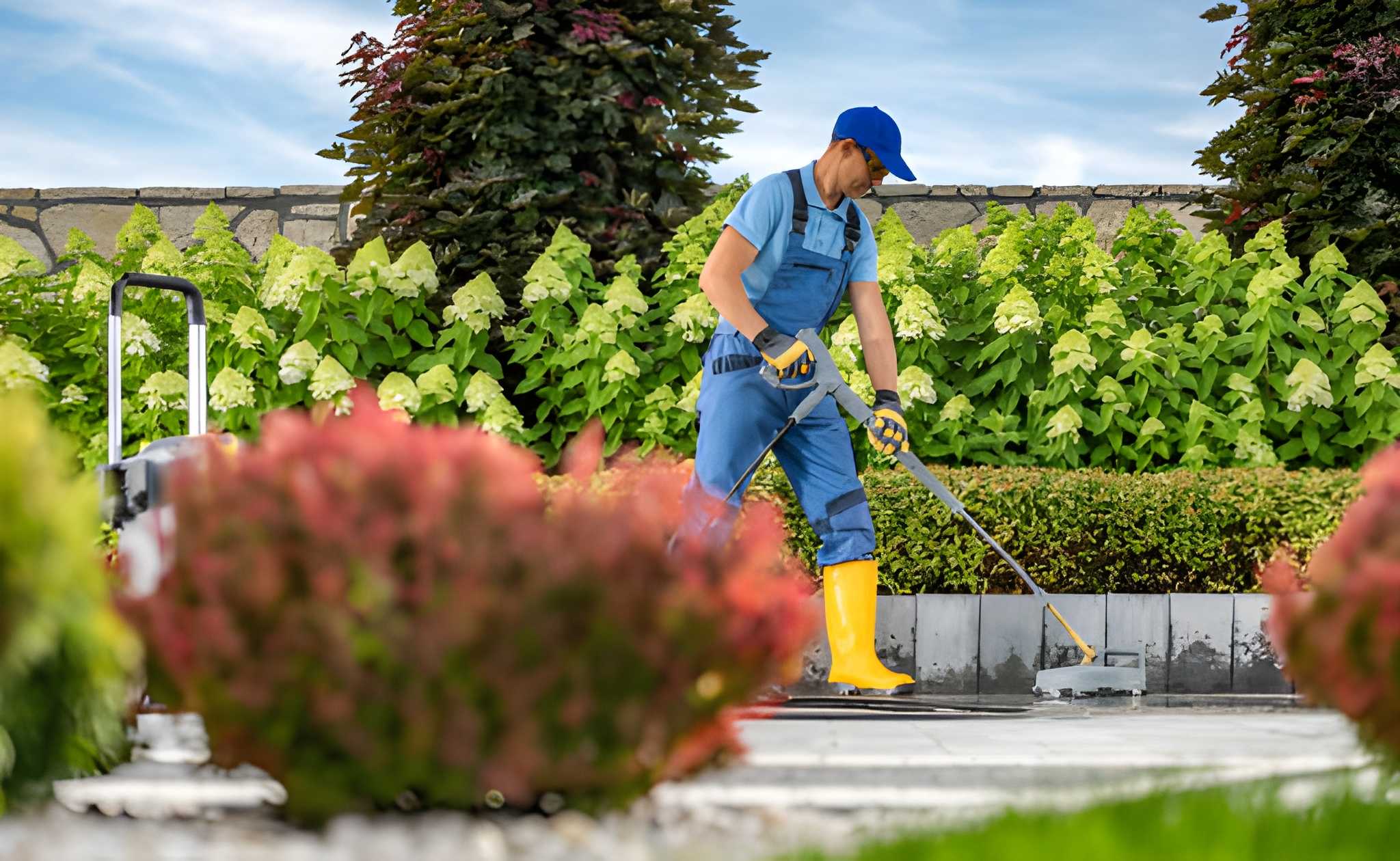
Home maintenance has evolved significantly in recent years, with homeowners paying closer attention to sustainability and environmental responsibility. Exterior cleaning is no longer just about removing dirt and stains; it is also about choosing methods that minimize waste, protect surrounding ecosystems, and preserve materials says American Dream Realty And Management company. Modern cleaning approaches reflect this shift toward smarter, more responsible property care.
Traditional exterior cleaning methods often relied on excessive water use and harsh chemicals that could harm plants, soil, and nearby water sources. Today, advancements in equipment and technique have transformed how exterior surfaces are cleaned. These improvements allow homeowners to maintain clean properties while reducing environmental impact, an approach often highlighted by FB Pressure Washing when discussing responsible exterior care.
Understanding the environmental advantages of modern cleaning methods helps homeowners see exterior maintenance as part of a broader sustainability effort. Clean homes and environmental stewardship no longer have to be competing priorities.
Exterior cleaning affects more than just visible surfaces. Runoff water can carry dirt, chemicals, and organic matter into soil and storm drains.
When performed irresponsibly, cleaning can disrupt plant life, contaminate water sources, and waste large amounts of water. Modern methods aim to reduce these risks through efficiency and control.
One of the most significant environmental improvements comes from modern equipment design. New systems use optimized flow rates that deliver effective cleaning with less water.
Instead of relying on volume alone, these systems maximize impact through precision. This approach dramatically reduces overall water consumption compared to older methods.
Modern techniques focus on cleaning only where needed. Instead of flooding entire areas, cleaning is applied strategically to affected surfaces.
This targeted approach limits unnecessary runoff and conserves water, making exterior maintenance more environmentally responsible.
Pressure Washing, when performed using modern equipment and techniques, removes buildup quickly and effectively. Faster cleaning times translate to less water use overall.
By achieving results efficiently, modern methods avoid prolonged spraying that wastes resources.
Another major advancement is the use of biodegradable cleaning solutions. These products break down naturally without leaving harmful residues.
They effectively remove dirt, mold, and organic growth while protecting surrounding plants and soil. This shift reduces long-term environmental impact.
Older cleaning methods often relied on strong chemicals that lingered in the environment. Modern solutions are formulated to rinse away cleanly.
This minimizes chemical runoff and reduces the risk of contaminating groundwater or nearby waterways.
Landscaping is often one of the first areas affected by improper cleaning. Excess water and chemicals can damage plants and soil health.
Modern cleaning techniques prioritize controlled application, helping protect lawns, gardens, and trees around the home.
Environmental responsibility includes reducing waste over time. When exterior surfaces are damaged by aggressive cleaning, replacement becomes necessary.
Gentler, modern methods preserve siding, concrete, and finishes, reducing material waste and extending surface lifespan.
Modern equipment is designed to operate efficiently, often requiring less run time to achieve results.
Shorter operation times reduce energy consumption, contributing to a smaller environmental footprint overall.
Sustainability is not just about materials but also about maintenance practices. Responsible cleaning helps homes age more gracefully.
By preserving surfaces and finishes, homeowners reduce the need for resource-intensive repairs and renovations.
Organic growth such as algae and mildew thrives in dirty environments. Modern cleaning methods remove these growths at their source.
By addressing buildup early, homeowners reduce the need for repeated treatments, saving resources over time.
Cleaner surfaces result in cleaner runoff. When dirt and contaminants are removed responsibly, runoff water contains fewer pollutants.
This benefits local drainage systems and surrounding environments.
In urban settings, exterior runoff often enters storm drains directly. Modern cleaning practices help reduce pollution in these systems.
Responsible cleaning supports healthier urban waterways and infrastructure.
Sustainable practices compound over time. Each responsible cleaning session reduces cumulative environmental strain.
Over years of maintenance, these small improvements add up to meaningful impact.
Many homeowners want their maintenance choices to reflect their environmental values. Modern exterior cleaning supports this goal.
Responsible methods allow homeowners to care for their property without compromising sustainability principles.
Education plays a key role in environmental protection. Understanding how cleaning methods affect the environment leads to better decisions.
FB Pressure Washing often emphasizes informed choices that balance cleanliness with environmental care.
Damaged surfaces require replacement, which consumes additional resources. Modern methods focus on preservation rather than force.
Preserved materials reduce landfill waste and manufacturing demand.
When multiple homes adopt responsible cleaning practices, the collective benefit grows.
Cleaner runoff, healthier landscapes, and reduced waste contribute to stronger community environments.
Outdated methods relied on excess rather than efficiency. Modern techniques prioritize balance and control.
This evolution reflects broader environmental awareness across home maintenance industries.
Efficient cleaning saves money and resources. Lower water use and reduced repairs benefit both homeowners and the environment.
Sustainable practices often prove to be economically smart as well.
Experience ensures that cleaning methods are applied correctly and responsibly. Proper technique prevents waste and damage.
FB Pressure Washing applies modern practices that align effectiveness with environmental responsibility.
Homeowners no longer need to choose between clean surfaces and environmental care. Modern methods deliver both.
Effective cleaning and sustainability now work together.
Exterior cleaning should be part of a long-term maintenance strategy. Eco-friendly methods support consistent care without harm.
Routine responsible cleaning strengthens sustainability over time.
Efficiency achieves results with fewer resources. Force often leads to waste and damage.
Modern cleaning focuses on smart solutions rather than aggressive tactics.
Exterior cleaning has evolved into a more responsible and environmentally conscious practice. Through reduced water usage, biodegradable solutions, and surface-preserving techniques, modern methods minimize environmental impact while delivering effective results.
Pressure Washing, when applied using modern, efficient approaches, supports sustainability rather than undermining it. With guidance and responsible practices from FB Pressure Washing, homeowners can maintain clean, attractive exteriors while protecting the environment. These modern techniques prove that effective home care and environmental responsibility can work hand in hand for long-term benefit.
 Supriyo Khan
 Supriyo Khan
 Supriyo Khan
 Supriyo Khan

Want to add a comment?