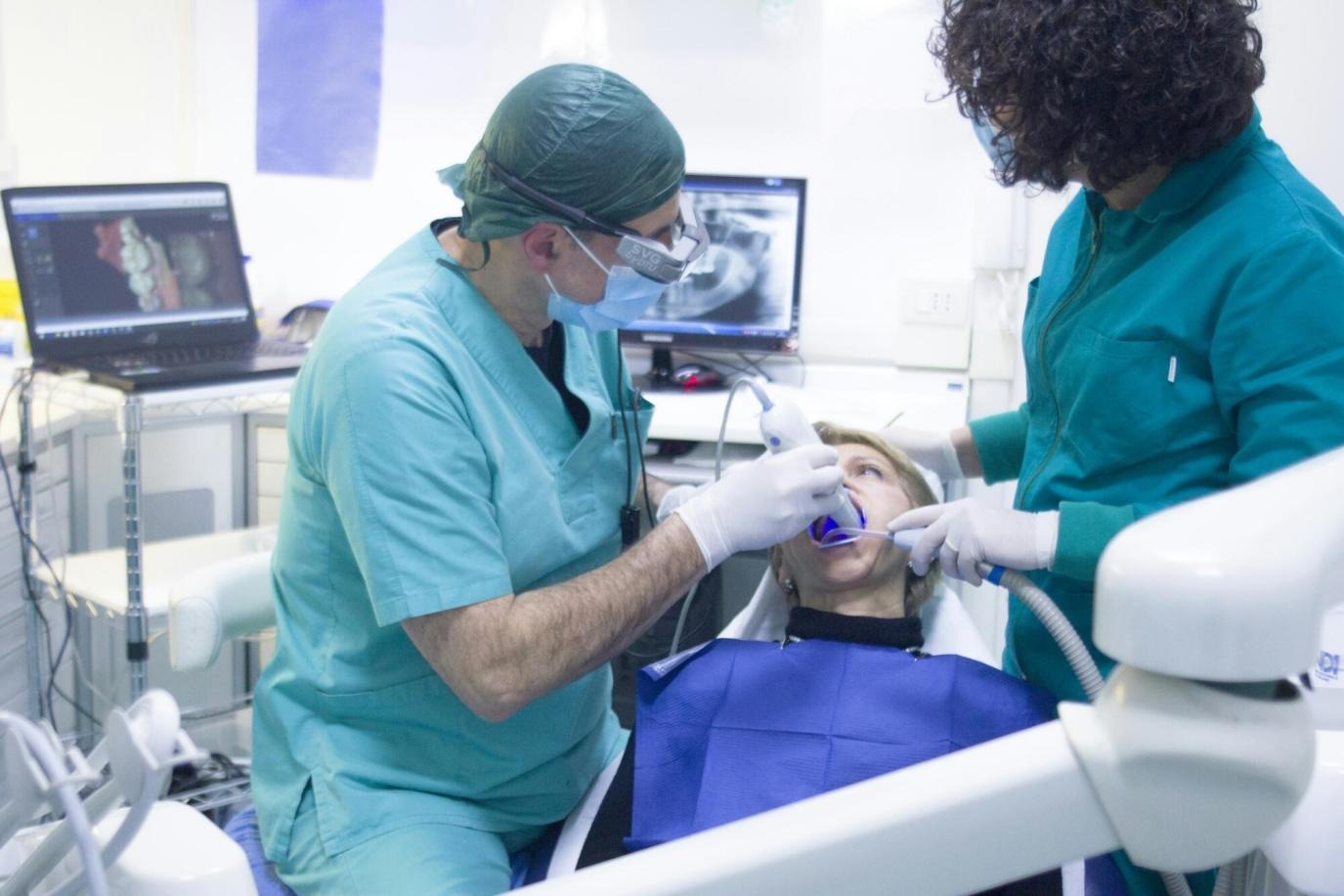
A professional teeth cleaning is more than just a routine chore. It's a mini makeover for your mouth. From the moment you sit in the chair, your teeth get the VIP treatment.
Plaque and tartar vanish, leaving a fresh, smooth shine. Gums get a gentle massage, boosting circulation and health. Your dentist or hygienist spots trouble before it starts, saving you pain later. Plus, that minty fresh feeling lasts for hours.
It's quick, painless, and surprisingly satisfying. Here's a peek at the top things that happen during a professional teeth cleaning.
The first step of any professional teeth cleaning is the initial consultation. This is when your dental hygienist or dentist gets to know your:
dental history
current concerns
overall oral health
They may ask about your brushing and flossing habits, sensitivity, or any recent issues like pain or bleeding gums. This conversation helps set the stage for a personalized cleaning plan.
It also ensures that every step is safe, effective, and tailored to your needs. Feeling comfortable and understood during this consultation makes the rest of your appointment smooth and stress-free.
Plus, it's a chance to ask questions and prepare for a healthy, brighter smile.
Next, your dentist or hygienist examines your mouth carefully. They check your teeth, gums, tongue, and other soft tissues to spot any problems. They look for cavities, gum disease, or early signs of decay.
This step ensures that the cleaning is safe and effective. They may also notice changes since your last visit, like wear patterns, staining, or swelling. By examining the mouth first, the dental team can prioritize areas that need attention.
This thorough look gives you peace of mind and helps prevent bigger problems later. A careful mouth examination is key to a healthy, confident smile.
Sometimes, X-rays are part of the cleaning process. They let the dentist see what isn't visible to the naked eye, such as cavities between teeth, bone loss, or impacted teeth.
Not every cleaning requires X-rays, but they are important for catching hidden issues early. Modern dental X-rays are quick, safe, and use very low radiation. They help dentists make accurate decisions and ensure your oral care plan fits your needs.
This step adds an extra layer of safety and thoroughness to your cleaning, giving you confidence that your teeth and gums are being cared for properly.
One of the main goals of a teeth cleaning is to remove plaque and tartar. Plaque is a soft, sticky film of bacteria, while tartar is hardened plaque that sticks to teeth.
Using special tools, the hygienist carefully scrapes away buildup from each tooth, including hard-to-reach areas. This prevents cavities and gum disease. It may feel a little scratchy or gritty, but it's painless and necessary for maintaining oral health.
Removing plaque and tartar keeps your teeth smooth and your gums healthy. This step is essential for a clean mouth, fresher breath, and a brighter, shinier smile.
After plaque and tartar are gone, polishing makes your teeth smooth and shiny. A special paste and rotating brush remove surface stains and leave teeth feeling clean.
Polishing also makes it harder for plaque to stick afterward. The gentle scrubbing is quick and can feel surprisingly satisfying. Many patients enjoy the immediate fresh, smooth sensation.
This step enhances the look of your smile and helps maintain a healthy surface. Polishing also prepares your teeth for any treatments or fluoride application that follows. It's an important part of the cleaning that leaves your mouth feeling fresh.
Flossing is next, even if you floss at home. The hygienist cleans between each tooth to remove leftover debris or plaque. They reach spots that brushes often miss. This helps prevent cavities, gum inflammation, and bad breath.
The process is gentle but thorough, and it gives you a sense of how well you clean at home. The hygienist may also show proper flossing techniques or recommend tools for tighter spaces.
Flossing during the cleaning strengthens your oral care routine and protects hard-to-reach areas. It's a simple but powerful step for healthier gums and a confident smile.
After cleaning, your hygienist may have you rinse with an antiseptic solution. This rinse helps remove any loosened debris and reduces bacteria in your mouth. It leaves a clean, fresh feeling and helps prevent infection.
Antiseptic rinses can also reduce plaque buildup between visits. This step is quick, refreshing, and adds extra protection to your dental health. It's a gentle but effective way to support your gums and teeth.
Many patients enjoy the cool, minty sensation that follows. Rinsing with antiseptic is a small step that makes a big difference in keeping your mouth healthy and comfortable.
After rinsing, a fluoride gel or varnish is applied to your teeth. It hardens enamel and protects against decay. The process is quick, painless, and usually tastes minty or fruity.
Fluoride treatment is especially helpful for children, but adults benefit too. It adds an extra layer of protection between cleanings. Following the instructions after fluoride application, like avoiding eating or drinking for a short time, maximizes its effect.
This step helps ensure your teeth stay strong, healthy, and resistant to cavities until your next visit.
Your hygienist may give tips on brushing techniques, flossing, and using mouthwash effectively. They may suggest tools like electric brushes or interdental cleaners for better results.
This step ensures that the clean feeling lasts longer and reduces future problems. Personalized guidance helps you care for your teeth and gums at home.
Understanding daily oral hygiene supports a brighter smile, fresher breath, and healthier gums. This knowledge empowers you to prevent issues and maintain the results of your professional cleaning.
During a cleaning, you can bring up specific concerns like tooth sensitivity, bleeding gums, or bad breath. The dental team will listen carefully and provide advice or treatment options.
They may suggest:
lifestyle changes
special toothpaste
further evaluations
Addressing concerns early helps prevent more serious issues and makes you feel confident in your oral health. Open communication ensures that your care is personalized and effective.
This step builds trust and keeps your dental experience positive. Feeling heard and understood is an important part of maintaining a healthy smile and ensuring that every appointment meets your needs.
Before leaving, your dentist or hygienist usually helps schedule your next cleaning or follow-up. Regular visits, often every six months, help maintain oral health and prevent problems.
Planning ensures continuity of care and keeps your teeth and gums in top shape. The team may also remind you of any treatments or check-ups needed in between.
Scheduling the next appointment is simple and helps you stay consistent with your oral care. It ensures that the benefits of today's cleaning last and that your smile stays healthy, bright, and confident long-term.
Many professional cleanings include an oral cancer screening. The dentist examines your mouth, throat, and tongue for unusual patches or growths. Early detection is critical, as oral cancer can be treated more successfully when found early.
The screening is quick, painless, and part of a thorough dental visit. It provides peace of mind while keeping your health a priority.
Regular screenings during cleanings are an easy way to monitor for serious conditions without extra appointments. This step adds safety and confidence, showing that professional teeth cleanings support oral health and overall wellness.
You may be asked to share your experience during a dental cleaning. Giving feedback helps the dental team improve their service and ensures future visits are even better.
Sharing your thoughts can be as simple as commenting on comfort, communication, or satisfaction. It also helps others feel confident choosing the same practice.
Positive feedback encourages the team and supports a welcoming environment. This step may seem small, but it strengthens the connection between you and your dental care providers.
Your input ensures that every visit is smooth, professional, and tailored to your needs.
At the end of your cleaning, the dentist may explain the next steps. This can include:
follow-up treatments
recommended hygiene habits
monitoring certain areas of concern
Clear guidance ensures you know how to protect your oral health between visits. Understanding the next steps empowers you to maintain your teeth and gums, reducing future issues.
It also gives a sense of control over your oral health journey. Knowing what to expect after a cleaning helps you stay proactive, confident, and prepared for future appointments.
Keeping your dental space tidy and welcoming makes every visit stress-free and safe. Prioritizing comfort shows care for both patients and staff. Make it a routine to follow these practices at home and in shared spaces.
Start today to enjoy a safer, more pleasant dental experience, and encourage others to do the same. Your smile and well-being deserve it.
Did you find this article helpful? Check out the rest of our blog now!
 Supriyo Khan
 Supriyo Khan
 Supriyo Khan
 Supriyo Khan

Want to add a comment?