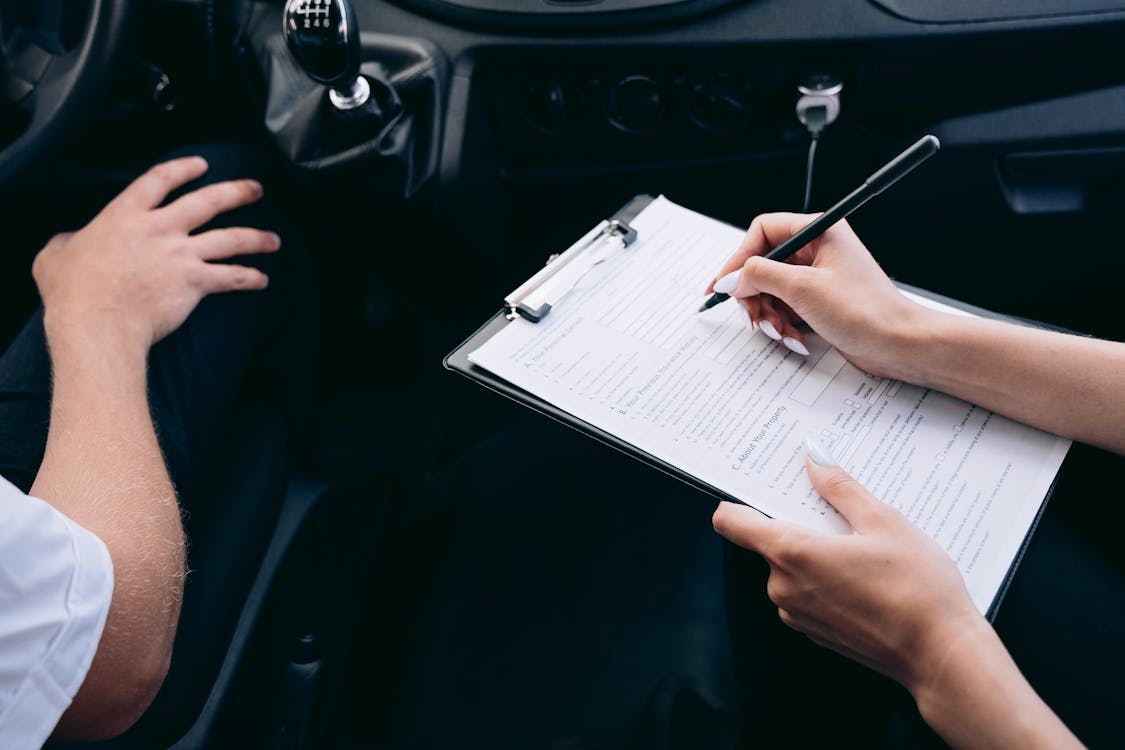
https://www.pexels.com/photo/person-writing-on-a-clipboard-inside-the-vehicle-8943323/
Purchasing your next vehicle is always exciting. But what happens after you make the purchase?
Vehicle registration post-sale can be one of the more confusing and stressful elements of buying a car.
When paperwork gets involved – whether it's shipped across borders with a car export service or purchased locally from a dealer – things can quickly go wrong.
Here's what you need to know…
Why Does Post-Purchase Registration Matter?
Steps To Take When Registering After Purchasing
Importing A Vehicle From Another Country? Post-Sale Registration Changes
Avoidable Mistakes That Delay Vehicle Registration
Tips To Make Registration After Purchase Painless
Vehicles cannot be driven without being registered. It is a legal requirement in countries all over the world.
If registration paperwork is not submitted (and any applicable taxes / fees paid) the car cannot be insured, driven on public roads, and will incur fines if caught being used illegally.
Here's the kicker…
Registration takes even more steps when buying from another country. Need to import a car from the UK to Ireland? You'll need to deal with customs declarations on top of registration, vehicle standards checking, tax, and more.
Having a car export service handle part of the responsibility can be a life-saver when importing a vehicle. But you should know exactly what registration entails regardless of who you work with.
Something interesting to note: the Society of Motor Manufacturers and Traders (SMMT) recorded exports made up 77.5% of total car production in the UK in 2025.
With over half a million cars exported to countries around the world, the paperwork associated with these sales are staggering.
Every vehicle leaving or entering a country needs to be properly registered at its destination.
Registration requirements change depending on which region you're registering the vehicle in.
But regardless of where the vehicle is registered, there are basic steps that must be taken by the owner.
First things first, you'll need:
Proof of purchase or ownership (typically the title, bill of sale, or purchase invoice).
Valid identification from each owner (government issued ID, proof of address, sometimes tax number).
Completed vehicle inspection to ensure it meets local safety/emissions standards.
Proof of insurance.
Payment of applicable taxes and fees.
Unless dealing with an imported vehicle that requires customs clearance, registration of your newly purchased car should only take a couple days at most.
Delays to the process typically come from missing even just 1 of these items.
If you're reading this section you likely purchased a vehicle from another country. Here's what changes.
When shipping a vehicle across international borders, things get a bit more complicated. But it's nothing you can't handle.
Additional steps for cross-border purchases include:
Vehicle customs clearance. Prior to registration, your new purchase must pass through customs and have applicable duties paid.
Payment of import tax. Most countries charge VAT or similar tax when registering an imported vehicle. This is separate from registration tax.
Vehicle compliance checks. Some imported vehicles require modification before they are street legal. Headlights may need realignment. Speedometer conversions, etc.
Export / origin country documentation. Oftentimes you'll need to obtain documents from the country where the vehicle was previously registered. This can include export certificates, deregistration documents, and certificates of conformity.
Because of this burden, the EU Citizenship Report found issues registering vehicles were actually a leading factor deterring citizens from living in different EU countries.
Imagine if you had to go through that process every time you moved. With imported cars, it's often wise to let professionals handle it for you.
Whether purchasing locally or from overseas, late registration is one of the most preventable problems buyers run into.
The biggest reason? Simply not knowing what to look for.
Slow registration processes are typically due to:
Missing paperwork. This is absolutely the number 1 reason registration offices push back dates. Even if you have everything else in order, missing a single document will delay the process.
Missing deadlines. Buyers have a set window to register newly purchased vehicles. Once that grace period passes fines begin accruing. Some places begin charging penalties after 30 days.
Incorrectly assuming the dealer registers the vehicle. Does your dealer take care of vehicle registration? In some instances, yes. But not always. When buying privately or importing abroad, double check who is responsible for registration.
Buying a vehicle with outstanding history. Buying a vehicle with outstanding finance, theft records, or salvage titles can prevent you from registering it in your name.
While these issues are more common than you think, they can all be easily avoided by doing your homework beforehand.
So you bought a car. Now what? Don't worry about registration. Here's how to make the process easy.
Do this and you'll be set:
Gather all documents PRIOR to visiting your local registration office. If you need something else, you'll know ahead of time.
Know your local registration requirements. Registration requirements vary from place to place. Understand them beforehand.
Work with a car export service when importing. Not only can they grab the documents you need from the seller's country, they can also handle import customs, linking up with local registrars.
Keep registration deadlines stored in your calendar. Don't let fines start accumulating because you missed the window to register.
Always keep copies of documents. Submitting registration doesn't mean you shouldn't keep records. If a document is lost or you're asked for more info, you'll have them readily available.
Buyers who take these steps when registering their purchased vehicles (whether imported or domestic) won't have any issues with road-blocking delays.
While purchasing a vehicle is the fun part of car ownership, don't overlook the importance of vehicle registration post-sale.
Whether the car is purchased locally or imported across borders using a car export service, registration should be treated seriously.
There are a few things everyone should know:
Registering your vehicle after purchase is a legal requirement.
Crossing borders adds complexity to an already lengthy process.
Working with professionals can ease a lot of headaches.
Late, incomplete, or missing documentation is the leading cause of registration delays.
As long as you're prepared, vehicle registration after purchase doesn't have to be the headache you think it is.
 Supriyo Khan
 Supriyo Khan
 Supriyo Khan
 Supriyo Khan

Want to add a comment?