Anyone browsing used cars for sale in Abu Dhabi in 2026 has probably noticed that the market correction everyone kept predicting never really arrived. Prices softened a little.
They did not fall. What looked like a temporary surge has largely become the new normal, and shopping without understanding why puts you at a real disadvantage.
The market is sitting roughly 15 to 20 percent above 2019 levels and has been stubbornly resistant to dropping further. To understand why, you have to go back to what happened during the pandemic years.
Between 2020 and 2023, global vehicle production ran significantly below capacity. Chip shortages shut down assembly lines for months at a time. Factory closures compounded the problem. The cars that were never built during those years would be three to six years old today, which is exactly the age range that dominates used car demand. The shortage is not theoretical. It shows up in thinner inventory and sellers who have little reason to budge on price.
New car showrooms have not absorbed the overflow the way you might expect.
Tariffs on imported vehicles and parts have kept new car prices high enough that buyers who might have stretched their budget for something fresh off the lot are instead competing in the same used market everyone else is in. That pressure is not going away quickly.
Tight does not mean everywhere, and this is where a flexible buyer has a real edge.
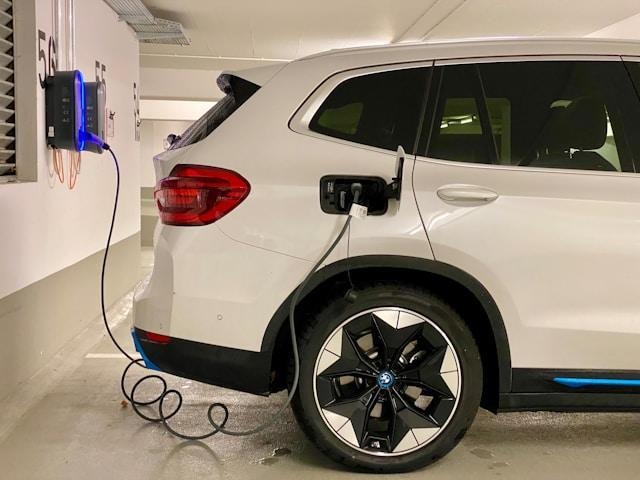
Electric vehicles have seen a genuine shift. A wave of off-lease EVs returned to market over the past year and supply has built up faster than demand absorbed it. Listings are appearing at price points that would have been unrealistic in 2024. Compact sedans are in a similar position, largely because fleet lease returns have added steady volume to that segment.
SUVs are the opposite story. Popular models in mainstream sizes remain short on supply and the sellers know it.
If you have already decided you want a specific SUV in a specific configuration, your negotiating position is weaker than you might like. If you are open to what the market actually has in good supply right now, sedans and EVs are where the value is sitting.
The monthly payment number is the one that tends to stick in people's heads, and it is also the least useful way to evaluate a car purchase.
Used car loan rates were hovering at 10 percent or above for many borrowers through late 2025. Rate adjustments in early 2026 have helped at the margins but have not changed the overall picture in any meaningful way.
A lot of buyers have responded by extending their loan terms to 72 or even 84 months to get the monthly figure into a range that feels comfortable. What that actually does is increase the total amount paid considerably, on an asset that is losing value the entire time.
Before you sign anything, calculate the total repayment figure across the full loan term. That number, not the monthly instalment, is what the car is actually costing you.
A few things have pushed the real cost of used car ownership higher since 2022 and tend to catch buyers off guard because they only surface after the purchase.
Parts and labour costs are running 10 to 15 percent above where they were before 2022. Supply chain pressures and tariffs on imported components drove that increase, and it has not reversed. Insurance premiums have also risen, particularly for EVs and performance vehicles, where repair costs have climbed faster than the broader market.
The subscription issue is newer and less widely understood.
Modern cars increasingly tie standard-seeming features to paid subscriptions: navigation, remote start, lane-keeping assistance, and similar systems. The previous owner had these active under their account. When ownership transfers, those subscriptions do not come with it. Depending on which features are involved, you could be looking at AED 40 to AED 110 added to your monthly running costs that nobody mentioned during the sale.
Before you agree on a price, ask specifically which features on the car are subscription-dependent and what their status will be after handover. It is a short conversation that can save you a meaningful amount.
October through December is the window where used car buyers tend to get the most movement from sellers. Dealers are clearing inventory before new model year stock arrives, and trade-in volumes pick up during the same period. The result is more cars available and sellers who have been holding firm through the year becoming noticeably more open to negotiation as December approaches.
There is no guarantee, but a buyer who can wait until the fourth quarter generally has more options and more leverage than one buying in March.
Run a vehicle history report on any car you are seriously considering, regardless of how legitimate the seller seems.
It will show outstanding finance, theft records, write-off history, and any odometer discrepancies. It takes a few minutes and has saved buyers from serious problems far more often than sellers like to admit.
For private sales, do not transfer payment until the inspection is done and the title is confirmed clean. This gets skipped more often than it should, usually because the buyer is eager and the seller is applying some time pressure.
One thing specific to 2026: dealership pricing is increasingly managed by AI systems that adjust listings in near real-time based on local demand and what competitors are showing. The price on a listing on Monday can be different by Friday with no change to the car. The counter to this is straightforward: check comparable listings across multiple platforms before you negotiate, and bring that data into the conversation.
A dealer asking above market on an identical spec has less ground to stand on when you can show them three other listings.
For private purchases, treat any request for payment by wire transfer, gift cards, or cryptocurrency before you have the keys as an immediate reason to walk away. These methods dominate fraud cases in the used car market and are chosen specifically because they are hard to reverse.
The Abu Dhabi used car market in 2026 is workable if you go in knowing where the inventory actually is, what your financing is genuinely costing you in total, and which expenses only appear after you have signed. That preparation does not take long and makes the whole process considerably less likely to end in regret.
 Supriyo Khan
 Supriyo Khan
 Supriyo Khan
 Supriyo Khan

Want to add a comment?