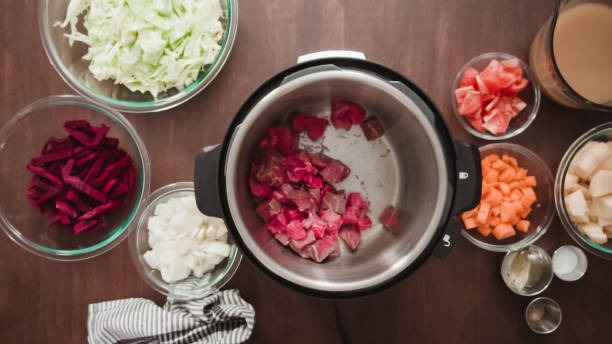
Two months. That is roughly how long the average pressure cooker sits unused after someone buys it. It gets unboxed, placed somewhere visible, and then carefully avoided while life continues happening around it. The valves look complicated. The manual reads like a legal document. And regular pots work fine, so why bother figuring out something new?
Here is a better question. What if the whole thing takes one evening to figure out, and the food genuinely comes out better? Because that is closer to reality.
Start With Lentil Soup. Seriously, Just Start There.
Not because it is exciting. It is not, particularly. But red lentil soup in a pressure cooker is the single most forgiving thing you can cook in one, and that matters more than excitement when you are still figuring out timings and release valves for the first time.
No soaking needed. No complicated prep. Roughly chop an onion and two garlic cloves, and get them soft in a little oil. Tin of tomatoes in. Teaspoon of cumin, teaspoon of coriander, salt, 750ml of vegetable stock. Stir it once. Lid on, seal it, twelve minutes on high pressure. Leave it alone for ten minutes before opening anything.
What comes out will be thicker than expected and more flavourful than the ingredients deserve credit for. Everything that would normally steam off during forty minutes of open simmering, the aromatics, the spice volatiles, the depth from the tomatoes, stays locked inside the pot. Nothing escapes a sealed pressure cooker. The flavour has nowhere to go except into the food.
Cook this tonight if you can. It takes under thirty minutes, including prep, costs very little, and lentil soup is forgiving enough to recover from almost any beginner mistake.
Potato and Tomato Curry: Simple Ingredients, Unreasonable Results
Onions 2, garlic 3 cloves, ginger a thumb-size piece, tin of tomatoes, potato 400g cubed, cumin seeds 2 tsp, turmeric 1 tsp, coriander powder 1 tsp, garam masala half a tsp. It’s just this much.
Start with sautéing onions till they get some colour. Add the spices to it and give it a stir for a minute before adding the tomatoes. Now add the potatoes with little water and put the lid on. Pressure cook it for 8 minutes at high heat, then for 8 minutes at natural release.
It makes the potato absorb the tomato gravy with spices from the inside, which cannot be accomplished when cooking in a pot with gravy outside the vegetables. The difference may surprise you.
A tested pressure cooker recipe resource with reliable vegetarian timings is worth bookmarking as your confidence builds.
Dried Beans: Do This Once and You Will Not Go Back to Tinned
The creaminess of a chickpea cooked from dried compared to a tinned one is not subtle. Tinned is fine. Dried, done properly, is noticeably better and costs a fraction of the price. Cooking a large batch on Sunday means a flexible ingredient ready across the whole week.
Timings vary meaningfully across different types:
|
Bean Type |
High-Pressure Cook Time |
Natural Release |
|
Red lentils |
12 minutes |
10 minutes |
|
Chickpeas (unsoaked) |
40 minutes |
15 minutes |
|
Black beans (unsoaked) |
25 minutes |
10 minutes |
|
Cannellini beans |
30 minutes |
10 minutes |
|
Moong dal |
15 minutes |
10 minutes |
Bay leaf and a halved raw onion in the cooking water add background flavour and cost nothing worth mentioning. Use the finished beans across the week in salads, soups, curries, on toast, or stirred through pasta. Batch cooking with a pressure cooker quietly changes how a weeknight kitchen functions once it becomes routine.
Risotto Without Standing at the Stove
Traditional risotto is not difficult. It is just relentlessly present-tense. Twenty minutes of standing, adding stock incrementally, stirring constantly. On a busy weeknight, that is a bigger ask than it sounds.
Toast arborio rice in butter with a finely diced shallot. Add a glass of white wine and let it absorb completely. Pour in all the hot and start reaching for it out of actual preference. Stock at once, seal the lid, seven minutes on high pressure, five minutes natural release. Stir cold butter through at the end until the texture loosens into something properly creamy. Parmesan and wilted spinach stirred through make it a complete meal.
People taste this expecting to notice the shortcut, and most genuinely cannot find it. That tends to be the moment beginners stop approaching the pressure cooker cautiously
Butternut Squash Coconut Curry: Where It Really Shows Its Value
Dense root vegetables are where the gap between pressure cooking and conventional hob cooking becomes most obvious. Butternut squash, sweet potato, and parsnips. All three of these require some patience on the stove. Under pressure, however, they become tender within ten to twelve minutes and soak up whatever liquid they’re bathed in instead of simply softening externally.
Sauté onions, garlic, and ginger along with mustard seeds till soft. Add cubed squash or sweet potatoes, coconut milk from a can, cumin and coriander powders - one teaspoon of each, and salt. Cook under pressure for ten minutes and then let it cook for eight minutes naturally. Serve with lime juice and coriander leaves garnish.
It’s this penetration of the vegetable by the spices and coconut through pressure cooking that takes the dish beyond the level of merely good and into the realm of great.
Conclusion
Four or five sessions with a pressure cooker, and the unfamiliarity dissolves. First time, everything feels uncertain. By the third or fourth, the lid goes on without a second thought.
Start with the lentil soup this week. Not eventually, this week. Potato curry next, then beans, risotto, squash curry in whatever order suits. Each dish builds a specific instinct about timing and liquid behaviour that carries directly into the next one.
At some point, you will adjust a recipe mid-cook without thinking about it. That is when the appliance stops being something you are learning and becomes something you just use.
 Supriyo Khan
 Supriyo Khan
 Supriyo Khan
 Supriyo Khan
Want to add a comment?