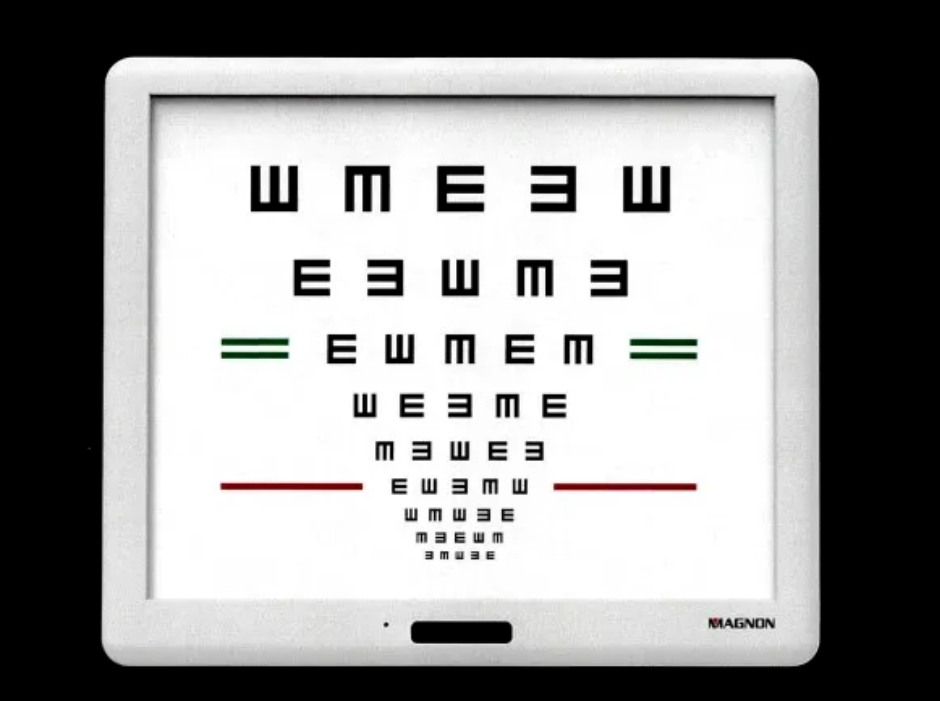
In modern eye care, accuracy and efficiency are essential for delivering high-quality patient outcomes. Clinics rely on advanced tools every day to assess vision, detect conditions, and guide treatment decisions. This is why many professionals turn to Magnon ophthalmic equipment at BOC Instruments as a reliable choice for daily clinical use. Having dependable equipment allows practitioners to focus on patient care without worrying about performance issues or inconsistencies.
For optometrists and ophthalmologists, the right equipment plays a direct role in both workflow and reputation. When tools deliver precise results and operate smoothly throughout the day, it builds confidence in every diagnosis. Over time, this consistency becomes a key reason why certain brands are trusted across the industry.
Accuracy is one of the most important factors in any eye care setting. Every measurement, from visual acuity to intraocular pressure, must be reliable to ensure proper diagnosis and treatment. Even small inconsistencies can lead to incorrect prescriptions or missed early signs of eye conditions.
High-quality ophthalmic equipment is designed to deliver repeatable results across different patients and testing conditions. This consistency allows practitioners to make confident decisions without needing to repeat tests unnecessarily. Over time, accurate diagnostics improve both patient outcomes and the overall efficiency of the practice.
Eye care clinics often operate on tight schedules, seeing multiple patients throughout the day. In this environment, equipment must be dependable and capable of handling continuous use without interruption. Frequent breakdowns or malfunctions can disrupt workflows and affect patient satisfaction.
Reliable equipment helps minimise downtime and ensures that appointments run on schedule. When practitioners know their tools will perform consistently, it reduces stress and allows them to focus on delivering quality care. This level of dependability is a major factor in why trusted equipment becomes a standard choice for daily use.
Ease of use is another important factor that influences equipment selection. Devices that are intuitive and simple to operate allow practitioners to work more efficiently and reduce the time spent on setup or adjustments. This is especially valuable in busy clinics where every minute counts.
User-friendly designs also improve the patient experience. When tests are performed quickly and smoothly, patients feel more comfortable and confident during their visit. Features such as clear displays, simple controls, and ergonomic design all contribute to a more streamlined workflow for both staff and patients.
Ophthalmic equipment represents a significant investment, so durability is a key consideration. High-quality devices are built to withstand daily use while maintaining their performance over time. This reduces the need for frequent repairs or replacements, which can be costly and disruptive.
Durable construction also ensures consistent results over the lifespan of the equipment. When tools maintain their accuracy and functionality, it supports long-term reliability within the practice. This makes durability an important factor in both operational efficiency and cost management.
Patient experience plays a major role in the success of any eye care practice. Equipment that operates smoothly and delivers accurate results helps create a positive experience for patients. Shorter testing times and reliable diagnostics contribute to a more comfortable and efficient visit.
Accurate equipment also supports better clinical outcomes. When practitioners can trust their tools, they are able to diagnose conditions earlier and provide more effective treatment. This builds patient confidence and encourages long-term relationships with the practice.
As technology continues to evolve, eye care practices need equipment that can keep up with changing demands. Modern clinics require tools that integrate well with existing systems and support a wide range of diagnostic procedures. Flexibility and adaptability are essential for maintaining high standards of care.
Advanced ophthalmic equipment is designed to meet these evolving needs. By offering updated features and improved functionality, it allows practices to stay current with industry standards. This ensures that patients receive the best possible care using modern diagnostic methods.
When selecting ophthalmic equipment, professionals often evaluate several important factors to ensure they are making the right investment. These considerations go beyond price and focus on long-term value and performance.
Common factors include:
Accuracy and consistency of diagnostic results
Reliability during high-volume use
Ease of operation and workflow integration
Durability and maintenance requirements
Overall value over the lifespan of the equipment
By focusing on these elements, practitioners can choose equipment that supports both clinical performance and business efficiency.
The trust that eye care professionals place in their equipment is built on consistent performance, accuracy, and reliability. In a field where precision is essential, having dependable tools is critical for delivering high-quality care and maintaining patient confidence.
By choosing solutions like Magnon ophthalmic equipment at BOC Instruments, practices can ensure they are equipped with tools that support efficient workflows and accurate diagnostics. This combination of performance and reliability is what makes trusted equipment an essential part of daily clinical operations.
 Supriyo Khan
 Supriyo Khan
 Supriyo Khan
 Supriyo Khan
Want to add a comment?