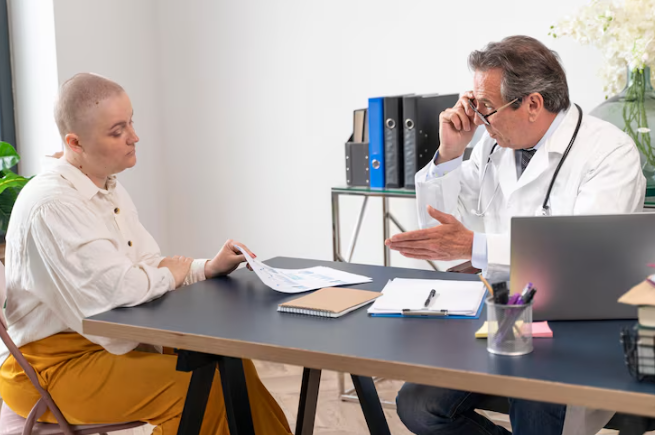
Recovering from a brain injury is often a long and complex process that extends far beyond initial medical treatment. Individuals may face ongoing cognitive, emotional, behavioral, and communication challenges that affect nearly every aspect of daily life. Families are also frequently impacted as they adapt to caregiving responsibilities, financial pressures, and changing long-term care needs.
In these situations, legal support can play an important role in helping individuals access the resources necessary for sustained recovery and improved quality of life.
Understanding the Long-Term Impact of Brain Injuries
Brain injuries can vary significantly in severity, but even moderate injuries may lead to lasting complications. Individuals may experience memory difficulties, reduced concentration, speech and communication challenges, emotional regulation issues, and physical impairments that require ongoing rehabilitation.
Recovery often involves a multidisciplinary approach that includes neurologists, speech therapists, occupational therapists, rehabilitation specialists, and mental health professionals. Long-term treatment plans can become financially overwhelming without adequate support systems in place.
As Jason Wesoky, Litigation partner at Ogborn Mihm LLP, explains, “Brain injury cases often involve long-term medical and rehabilitative needs that families may not fully anticipate in the early stages of recovery. Legal support helps ensure that future care requirements are properly evaluated and considered when pursuing compensation.”
This highlights how legal guidance can directly influence access to long-term care resources.
The Financial Challenges of Ongoing Rehabilitation
Long-term brain injury recovery frequently involves extensive medical expenses. Rehabilitation programs, speech therapy, cognitive therapy, assistive technologies, in-home care, and ongoing medical monitoring can create substantial financial strain over time.
In many cases, injured individuals may also lose the ability to work or experience reduced earning capacity, further increasing financial pressure on families. Legal claims can help address these long-term costs by accounting for both immediate and future needs during settlement or litigation processes.
Comprehensive financial planning becomes especially important in cases where recovery may continue for years.
Legal Support and Access to Specialized Care
One of the key functions of legal support is helping individuals secure access to specialized care and rehabilitation services. Proper legal representation often involves working closely with medical experts, life-care planners, and rehabilitation professionals to assess the full impact of the injury.
In an interview, Greenville Personal Injury Lawyer at Derrick shares, “In serious brain injury cases, legal representation is not simply about resolving a claim—it is about understanding how the injury will affect every aspect of a person’s future. Effective legal advocacy helps ensure that ongoing therapy, rehabilitation, and support services are fully considered.”
This broader perspective is essential when evaluating long-term recovery needs.
Communication Challenges and Cognitive Recovery
Brain injuries can significantly affect communication abilities, including speech production, language processing, memory recall, and social interaction. These changes may impact education, employment, relationships, and overall independence.
Speech-language therapy and cognitive rehabilitation programs often become essential parts of the recovery process. Families also play a critical role in supporting communication development and emotional adjustment throughout rehabilitation.
The recovery journey is rarely linear, making consistent support systems particularly important for long-term progress.
Documentation and Evidence in Brain Injury Cases
Accurate medical documentation is a critical part of both treatment and legal evaluation. Neurological assessments, imaging results, therapy records, and expert opinions help establish the severity of the injury and the long-term care requirements associated with it.
Legal teams often rely on this documentation to demonstrate how the injury affects daily functioning, employment capacity, and quality of life. Comprehensive evidence also helps support claims for future rehabilitation costs and continued medical care.
Strong coordination between healthcare providers and legal professionals can significantly strengthen long-term recovery planning.
Accountability and Long-Term Protection
Legal support also plays an important role in establishing accountability when negligence or misconduct contributed to the injury. Whether the case involves vehicle accidents, workplace incidents, medical negligence, or unsafe conditions, legal action can help families secure financial protection while reinforcing safety standards.
As Stephen J. Bardol, Esq, Managing Attorney of Bardol Law Firm explains, “Long-term brain injury cases require careful legal and medical analysis because the effects of neurological trauma may evolve. Legal support helps protect injured individuals by ensuring that both current and future consequences are properly addressed.”
This long-term perspective is especially important in cases involving ongoing rehabilitation and evolving care needs.
Supporting Families Throughout Recovery
Brain injury recovery affects not only the individual but also the entire family structure. Caregivers often face emotional stress, financial pressure, and major lifestyle adjustments while supporting long-term rehabilitation efforts.
Access to legal support can help reduce this burden by securing financial resources for medical treatment, adaptive care, and future planning. This allows families to focus more fully on recovery and emotional well-being rather than navigating financial uncertainty alone.
Conclusion
Long-term brain injury recovery requires far more than immediate medical treatment. Ongoing rehabilitation, communication support, financial planning, and specialized care often become lifelong considerations for both individuals and families.
Legal support plays a critical role in helping injured individuals access the resources necessary to navigate these challenges while protecting their long-term stability and quality of life. As medical and legal systems continue to evolve, comprehensive support structures will remain essential in improving outcomes for those affected by brain injuries.
 Supriyo Khan
 Supriyo Khan
 Supriyo Khan
 Supriyo Khan

Want to add a comment?