Physical therapists play a crucial role in helping people recover from injuries, manage chronic pain, improve mobility, and regain independence. They use a wide range of techniques tailored to each patient’s unique needs, making physical therapy highly personalized and effective. Whether you're dealing with an injury, recovering from surgery, or working through long-term discomfort, understanding the methods Idaho Falls physical therapy uses can help you feel more confident and prepared for your treatment. Here are some of the most common and effective ways physical therapists care for their patients.
Comprehensive Evaluations and Personalized Plans
Every treatment begins with a thorough evaluation. Physical therapists assess your strength, flexibility, balance, posture, range of motion, and pain levels. They also discuss your daily activities, medical history, and goals. This helps them create a customized treatment plan that addresses your specific needs and ensures your therapy is both safe and effective.
Manual therapy refers to hands-on techniques that help improve movement and reduce pain. These techniques may include joint mobilization, soft tissue massage, trigger point release, and stretching. By working directly on muscles, joints, and connective tissues, therapists can reduce stiffness, improve mobility, and promote healing.
Exercise is one of the core components of physical therapy. Therapists guide patients through movements designed to strengthen weak muscles, increase flexibility, and correct movement patterns. These exercises often include:
Strength training
Stretching
Core stabilization
Balance and coordination drills
Functional movements that mimic daily activities
Exercise therapy not only speeds up recovery but also helps prevent future injuries.
Physical therapists often use tools or technologies to complement manual therapy and exercise. These modalities can help reduce pain, control inflammation, and promote healing. Common examples include:
Heat and ice therapy
Electrical stimulation (TENS or NMES)
Ultrasound therapy
Laser therapy
Traction
These treatments are typically used alongside active exercises to support the healing process.
Some injuries or conditions can disrupt the communication between your brain and muscles. Neuromuscular reeducation focuses on restoring proper movement patterns, coordination, and balance. This may include balance training, gait training, posture correction, and exercises that retrain muscles to activate correctly.
Functional training focuses on helping you perform everyday activities safely and efficiently. Therapists teach movements such as lifting, bending, squatting, climbing stairs, and getting in and out of a chair. These activities build confidence and support a smooth return to normal routines or work duties.
In addition to hands-on care and exercise, physical therapists teach patients strategies to manage pain at home. This may involve posture corrections, pacing activities, stretching routines, or ergonomic adjustments for work and daily living. Understanding how to manage pain empowers patients to take control of their recovery.
Education is a major part of physical therapy. Therapists help patients understand their condition, what caused it, and how to prevent it from recurring. They may teach proper body mechanics, safe exercise techniques, and lifestyle adjustments that protect joints and muscles long-term.
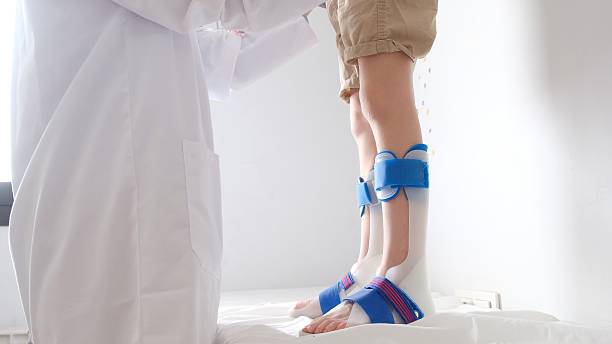
If necessary, physical therapists help patients learn how to use assistive devices such as walkers, crutches, braces, or orthotics. They ensure the fit is correct and teach proper usage to support mobility and safety during recovery.
 Supriyo Khan
 Supriyo Khan
 Supriyo Khan
 Supriyo Khan

Want to add a comment?