Setting the Stage: The Need for Evidence-Based Solutions in Emotional Wellness
Stress spikes. Anxiety grips. Mood sinks. The mental health landscape is crowded with quick fixes and vague platitudes that evaporate under pressure. Cognitive behavioral therapy delivers something different: a proven, structured process that measures progress instead of hoping for it. A pragmatic, skills-first model often beats insight-heavy approaches because it trades philosophical meandering for tools that actually alter thought-behavior loops.
Core beliefs act like tinted lenses, warping how you see every situation. A single distortion, such as catastrophizing, can turn a minor setback into a disaster movie in your head. All-or-nothing thinking is another mental trap; it boxes experiences into extremes without nuance. In practice, a standard CBT worksheet demands you line up the evidence, challenge the distortion, and replace it with a balanced alternative. Cold, tidy logic breaking the fever of unchecked emotion.
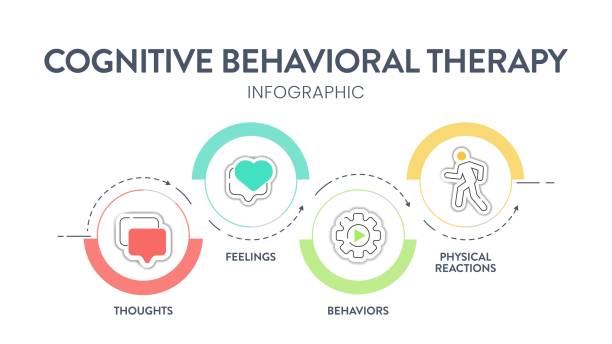
Cognitive restructuring hunts your unhelpful thoughts and forces them into daylight. One client, convinced they’d fail a presentation, discovered through this process that their prediction had no factual backbone. Behavioral activation pushes you to schedule energy-replenishing activities precisely when depression whispers you shouldn’t bother. Another client found their mood shift dramatically after committing to daily walks. Thought records capture the anatomy of a triggering moment, dividing it into event, feeling, and reframe. This organized dissection strips the emotion of its power.
Mood logs reveal patterns you’d miss in ordinary conversation. Homework checklists keep skill use accountable. Standardized measures like the PHQ-9 track symptom intensity with clinical precision. Regular reviews keep therapy responsive instead of stagnant. Picture a simple chart marching steadily toward improved mood scores. That kind of transparency keeps both client and clinician honest.
Negotiating the agenda together at the start of each session tells clients they are co-pilots, not passengers. Digital tools sharpen homework compliance through timely prompts. Motivation between appointments needs active fuel: one client left sessions with brief, high-impact challenges to maintain momentum, while another relied on tracking mini-wins in a private journal.
The framework bends without breaking. Anxiety treatment can lean on exposure hierarchies, moving clients incrementally toward feared situations. Depression may require heavier behavioral activation. Trauma work slows the pace, anchoring safety before deep dives. The clinician calibrates each worksheet and session rhythm to the individual, not the manual.
Relapse prevention demands more than a farewell handshake. Booster sessions, personal symptom check-ins, and curated self-help resources keep skills alive. Treat CBT strategies as a standing operating procedure for your mind, not a limited-term intervention.
For specialized methods and local expertise, access CBT Howell MI. Adding professional support to a personal practice widens the safety net and accelerates mastery.
Structured CBT dismantles faulty thought patterns and builds behavior systems that hold their ground. Progress tracked with precision reinforces the skills until they become second nature. With the right toolkit, future setbacks stop being threats and start being tests you’re prepared to pass.
 Supriyo Khan
 Supriyo Khan
 Supriyo Khan
 Supriyo Khan

Want to add a comment?