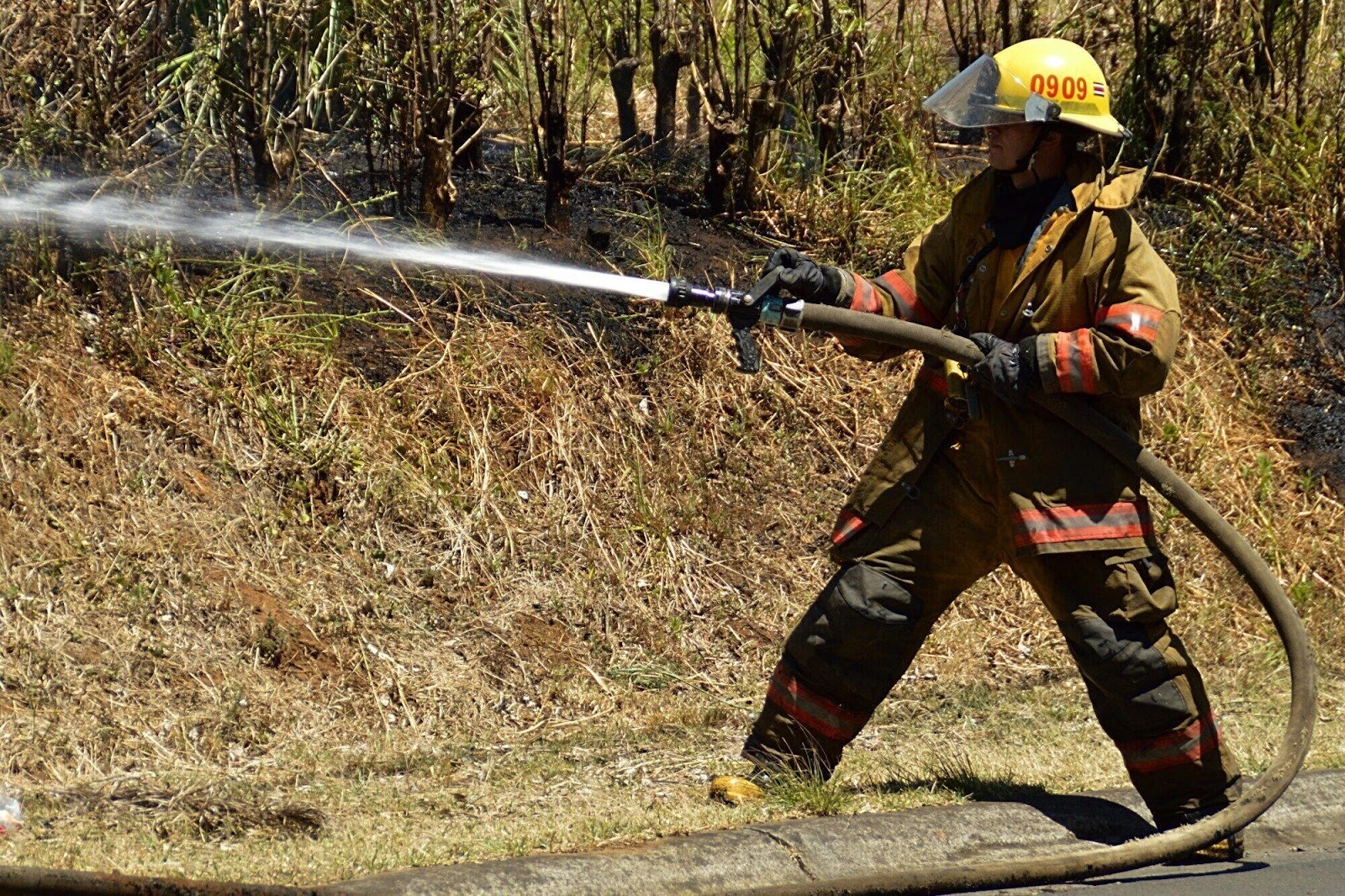
What would you do if a fire started in your workplace right now?
Many people assume alarms and extinguishers are enough. But tools alone do not stop panic or prevent injury. People need to know what to do. They need to act fast and stay calm. This is where practical fire safety training makes a difference.
Keep reading to discover practical fire safety training techniques that can strengthen protection and help your workplace stay ready for any emergency.
The first step in fire safety training is risk awareness. Employees must know the common causes of fires. These causes include faulty wiring, overloaded outlets, and flammable materials.
Training should explain where risks exist in the workplace. Show workers the locations of fire alarms and extinguishers. Explain how different materials burn. This helps workers understand why safety rules matter.
Hands-on training is one of the most effective techniques. Employees must practice using fire extinguishers. Watching a video is not enough. People need real experience. They must learn how to hold, aim, and operate the extinguisher.
Teach the PASS method. PASS means Pull, Aim, Squeeze, and Sweep. This method is simple and easy to remember. Practice builds confidence. Workers feel more prepared during emergencies.
Fire drills help workers practice emergency actions. They teach employees how to exit safely and quickly. Drills also test the workplace emergency plan. Workers learn the best escape routes. They also learn where to gather after evacuation.
Run drills regularly. This helps workers remember the process. Drills also reveal problems. For example, exits may be blocked. Alarm systems may not work properly. Fixing these problems improves safety.
Drills reduce fear and panic. Workers feel more confident because they know what to do. Practice saves valuable time during real emergencies.
Clear communication is critical during a fire. Workers must know how to report fires quickly. Training should explain how to activate alarms. Employees must also know who to contact in an emergency.
Assign clear roles. Some workers may guide others to exits. Some may assist people with disabilities. Others may communicate with emergency responders. Defined roles reduce confusion.
Use simple instructions. Repeat training often. This helps workers remember their responsibilities. Good communication improves response time and safety.
Realistic training improves learning. Use simulated fire scenarios when possible. This helps workers experience real emergency conditions. They learn how to react under pressure. Simulations also help trainers observe behavior.
Review performance after training. Identify mistakes and improve procedures. Continuous evaluation keeps safety programs strong. Some workplaces follow industry standards and smoke school certification requirements to ensure training meets safety expectations. These standards help maintain quality and consistency.
Regular updates are also important. Fire safety knowledge and equipment can change. Ongoing training keeps workers prepared.
Practical fire safety training protects lives and property. It prepares workers to respond quickly and safely. Training must be clear, simple, and hands-on. Employees must understand risks, practice skills, and follow emergency plans.
Regular drills and realistic scenarios improve confidence and readiness. Communication and defined roles reduce confusion during emergencies. Employers who invest in proper training create safer workplaces. Fire safety is not a one-time activity. It is an ongoing commitment that ensures complete workplace protection.
If you'd like to learn more, check out more articles on our blog.
 Supriyo Khan
 Supriyo Khan
 Supriyo Khan
 Supriyo Khan

Want to add a comment?