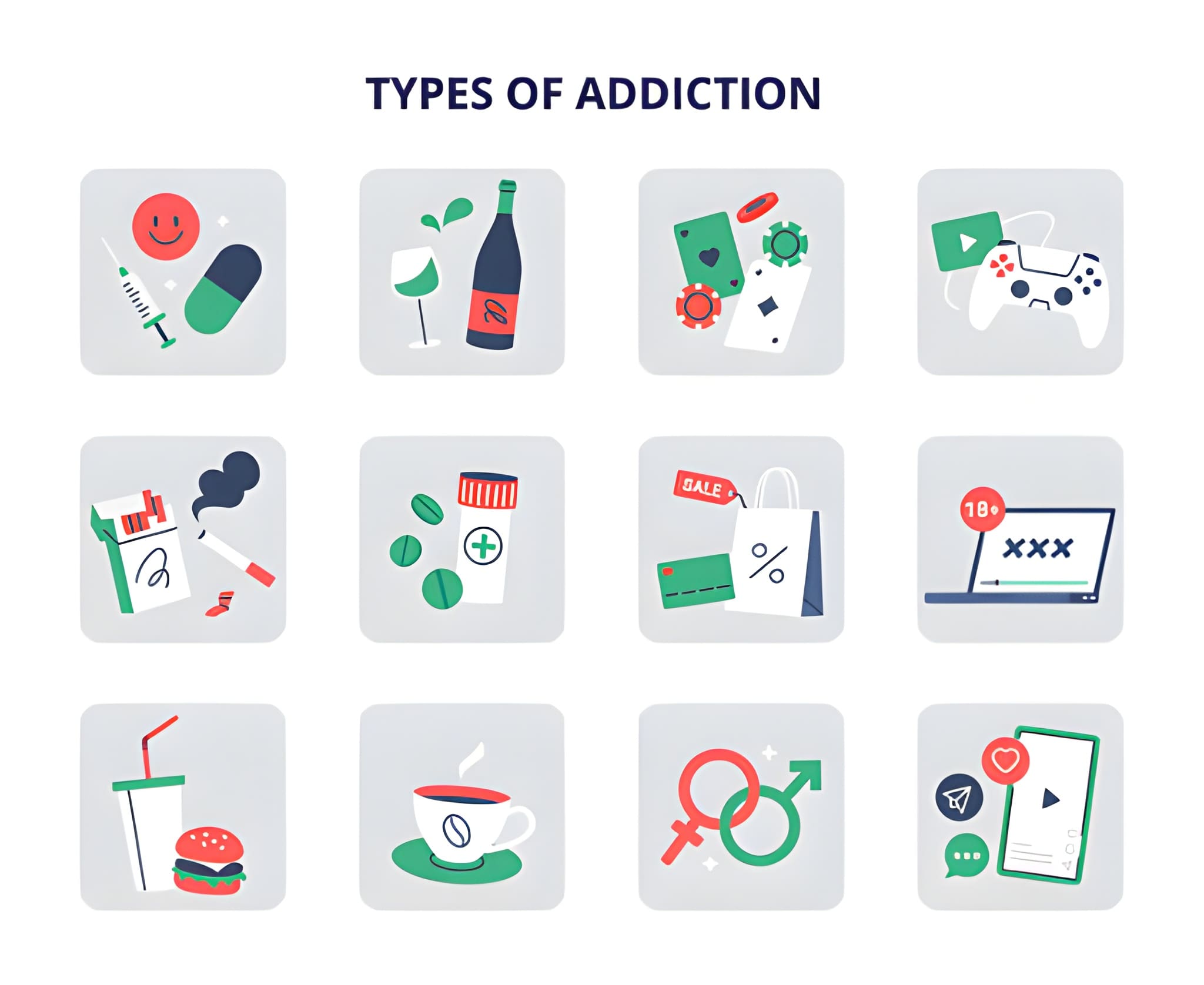
Addiction is a complex condition that can develop gradually, often without the individual being fully aware of its progression. Whether it involves substances such as alcohol and drugs or behaviours like gambling and gaming, the transition from casual use to addiction can happen more swiftly than one might expect. This article explores how various activities can become addictive, ways to spot the signs of addiction, and strategies to resolve it.
The Subtle Shift to Addiction
Addiction often begins innocently enough. Many people engage in certain activities for enjoyment or relief from stress. However, what starts as a harmless pastime can quickly evolve into an all-consuming habit. The brain's reward system plays a significant role in this transition. When we engage in pleasurable activities, our brains release dopamine, a neurotransmitter associated with pleasure and reward. Over time, the brain begins to crave this dopamine release, leading individuals to seek out the activity more frequently and in greater quantities.
One statistic that highlights the prevalence of addiction issues is that alcohol is the biggest risk factor for death, ill-health, and disability among 15-49 year-olds in the UK. This figure underscores the potential for addiction to develop from seemingly benign behaviours.
Recognising the Signs of Addiction
Identifying addiction can be challenging, especially when it develops gradually. However, there are several warning signs that can indicate a shift towards addictive behaviour:
Increased Tolerance: Needing more of the substance or behaviour to achieve the same level of pleasure is a key indicator of addiction. For instance, someone who initially enjoyed a glass of wine may find themselves needing several glasses to feel relaxed.
Loss of Control: If you find it difficult to limit your consumption or engagement in a particular activity, this may signal a problem. For example, spending hours gaming or binge-watching television shows despite having other responsibilities can be a red flag.
Neglecting Responsibilities: When addiction takes hold, individuals may begin to neglect their personal, professional, or social obligations. Missing work, avoiding friends, or failing to take care of household tasks can indicate that an addiction is developing.
Withdrawal Symptoms: Experiencing physical or psychological symptoms when not engaging in the behaviour or using the substance can be a significant sign of addiction. Symptoms may include anxiety, irritability, or physical discomfort.
Preoccupation: If thoughts about the substance or behaviour dominate your mind, leading to planning and prioritising it over other activities, this can indicate an unhealthy fixation.
Strategies for Addressing Addiction
Recognising the signs of addiction is the first step towards recovery. Once individuals acknowledge the issue, several strategies can help them regain control:
Self-Reflection: Taking time to reflect on the reasons behind the addictive behaviour can provide valuable insights. Journaling about feelings, triggers, and the impact of the addiction on daily life can be a helpful exercise.
Set Boundaries: Establishing clear limits around the behaviour can help individuals regain control. For example, if social media is becoming an addiction, setting specific times for use can create a healthier relationship with it.
Seek Support: Talking to friends or family members about the struggle can provide emotional support and accountability. Additionally, support groups such as Alcoholics Anonymous or Gamblers Anonymous offer a community of individuals facing similar challenges.
Professional Help: In some cases, individuals may benefit from professional intervention. Private addiction rehabilitation centres provide tailored programmes that address the unique needs of those struggling with addiction. These facilities offer a range of therapies, including individual counselling, group therapy, and holistic approaches designed to support recovery.
Develop Healthy Coping Mechanisms: Finding alternative ways to cope with stress or boredom can reduce reliance on addictive behaviours. Engaging in physical exercise, pursuing hobbies, or practising mindfulness techniques can provide healthier outlets for emotions.
Educate Yourself: Understanding addiction and its effects can empower individuals to make informed decisions about their behaviours. Numerous resources, including books, articles, and online courses, can provide valuable information on addiction and recovery.
Addiction can creep into our lives without us even realising it, often starting as a harmless activity that gradually takes control. Recognising the signs of addiction is crucial for early intervention and recovery. By being aware of the warning signs and implementing strategies to address the issue, individuals can reclaim their lives and foster healthier habits.
If you or someone you know is struggling with addiction, seeking help from addiction centres can be a vital step towards recovery. Remember, acknowledging the problem is the first step towards healing, and support is available for those who need it. The journey to recovery may be challenging, but with the right tools and support, a fulfilling, addiction-free life is within reach.
 Supriyo Khan
 Supriyo Khan
 Supriyo Khan
 Supriyo Khan

Want to add a comment?