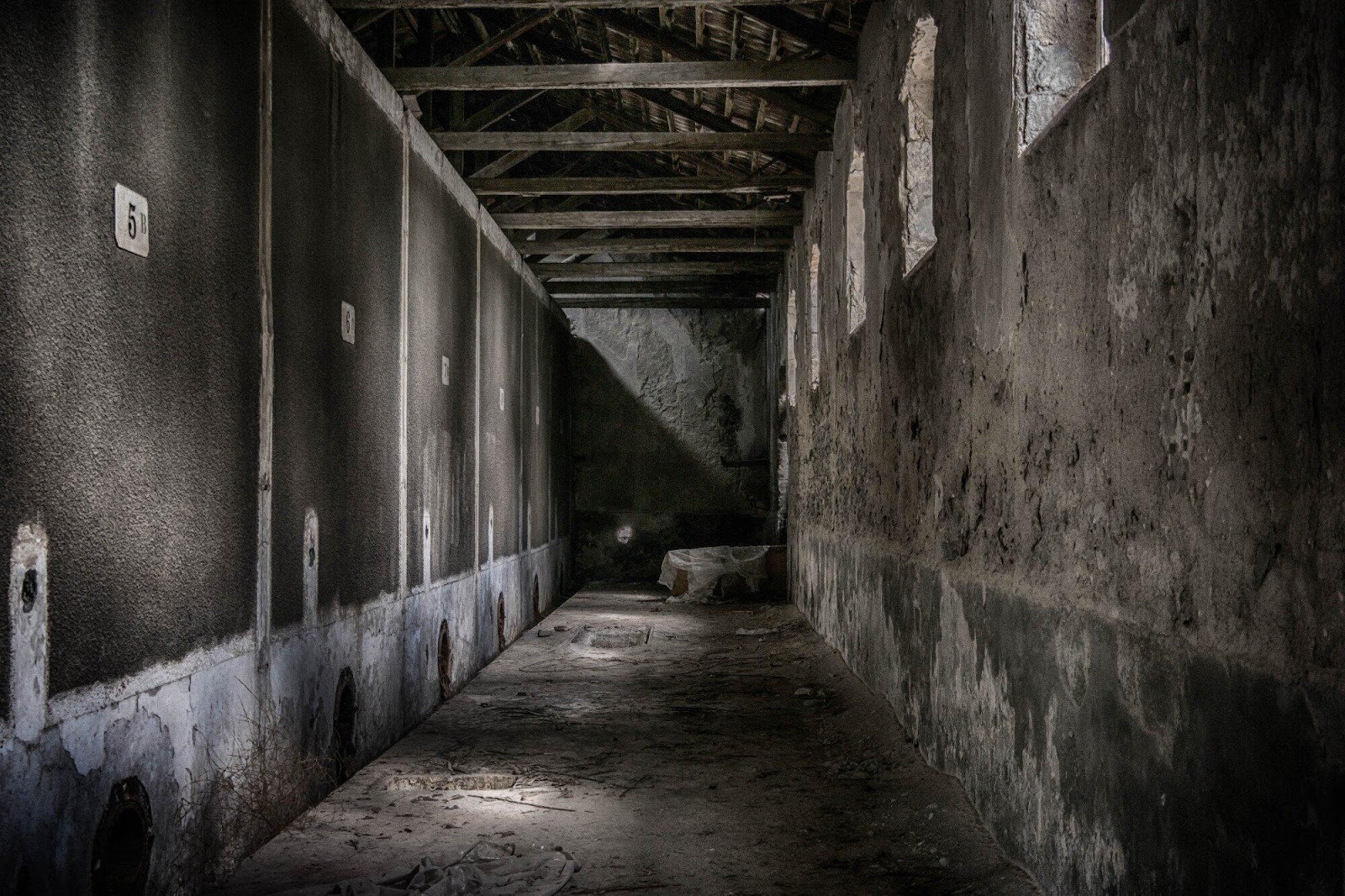
Your crawl space may be out of sight, but it should never be out of mind. Hidden moisture below your home can quietly cause big problems above it.
From musty odors to rising energy bills, the warning signs often show up long before visible damage appears. Ignoring them can lead to mold growth, wood rot, and costly repairs. Knowing what to watch for gives you a head start on prevention.
These clear red flags signal trouble underneath your floors and walls. Let's catch them early to protect your home, your comfort, and your wallet long term.
A musty smell inside your home is often one of the first signs of moisture problems below. This odor usually comes from damp soil, wet wood, or mold growth in the crawl space.
It can travel upward through floors and walls, making living areas smell stale. Even if the scent seems mild, it should not be ignored. Over time, moisture odors can affect indoor air quality and comfort.
Addressing the source early helps keep your home smelling fresh and reduces the risk of bigger moisture-related issues later.
Seeing mold is a clear warning sign that moisture levels are too high. Mold may appear as dark spots or fuzzy patches on wood, insulation, or walls. It thrives in damp and poorly ventilated spaces like crawl spaces.
Mold can spread quickly if conditions stay the same. Beyond damaging materials, it may also cause health concerns for people with allergies or breathing issues.
Taking action as soon as mold is noticed can limit damage and help restore a cleaner, healthier environment inside your home.
Insulation should always feel dry and firm. When it becomes damp or saggy, moisture is likely entering the crawl space. Wet insulation loses its ability to protect your home from heat and cold.
This can make rooms feel uncomfortable and raise energy costs. Damp insulation can also support mold growth over time. Checking insulation regularly helps spot problems early.
Replacing or drying it and fixing the moisture source can improve comfort and protect the structure of your home in the long run.
Water stains on wood beams often look like dark lines or patches. These marks show that moisture has been present for some time. Even if the wood still feels solid, ongoing exposure can weaken it slowly.
Stained beams may also attract mold or pests. Regular inspections help catch these signs early. Drying the area and stopping the moisture source can prevent further damage.
Keeping wood beams dry supports the strength of your home and helps avoid costly structural repairs later.
High humidity inside your home can be linked to moisture problems below. When the crawl space is damp, moisture rises and affects indoor air. You may notice sticky air, foggy windows, or discomfort even when temperatures are normal.
High humidity can also stress your HVAC system and promote mold growth. Using a humidity monitor can help track changes.
Controlling moisture at its source helps create a more comfortable living space and protects your home from long-term moisture damage.
Insects and pests are often drawn to damp areas. A wet crawl space can attract termites, ants, roaches, and rodents looking for water and shelter.
Once inside, they may spread to other parts of your home. Some pests can damage wood, wiring, and insulation. Seeing more pests than usual is a sign to investigate moisture issues.
Drying the crawl space makes it less inviting. This simple step can reduce pest activity and help protect your home from unwanted damage.
Small cracks in the foundation may allow water to seep into the crawl space. Over time, moisture entering through these gaps can worsen the problem.
Cracks may grow larger if water freezes, shifts soil, or weakens materials. While some cracks are normal, ongoing moisture is not. Regular checks help spot changes early.
Sealing cracks and managing water around your home supports a stronger foundation and reduces the risk of moisture buildup in hidden areas.
If strange or musty smells come from your HVAC system, the source may be below your home. Air systems often pull air from the crawl space.
When that area is damp, odors can move through vents and spread inside. This can affect comfort and indoor air quality. Cleaning filters may help in the short term, but the real fix is moisture control.
Addressing crawl space dampness helps your HVAC system run cleaner and keeps indoor air fresher for daily living.
Standing water or puddles in the crawl space are clear signs of a serious moisture issue. This may come from poor drainage, leaks, or heavy rain.
Even small pools can lead to mold, wood damage, and pest problems. Water should never sit for long periods. Fixing drainage and leaks is essential.
Many homeowners turn to crawl space waterproofing to stop water from entering and collect moisture safely. This solution helps keep the area dry and protects the home above.
When vents or registers smell musty, moisture may be traveling through the air system. These odors often point back to a damp crawl space.
Moist air moves upward and settles in ductwork. Over time, this can affect air quality and comfort. Cleaning vents helps, but it does not solve the root issue.
Reducing moisture below the home prevents smells from returning. Fresh-smelling vents are often a sign that hidden moisture problems have been properly addressed.
Sudden changes in energy bills can be linked to moisture issues in the crawl space. When insulation gets wet or air becomes humid, heating and cooling systems work harder. This leads to higher energy use.
You may not notice the cause right away, but the cost adds up over time. Keeping the crawl space dry helps systems run more efficiently.
Stable energy bills often reflect a healthier, well-protected home with fewer hidden moisture problems.
Protecting your home starts with paying attention to the small signs before they grow into costly problems. Regular checks, proper drainage, and moisture control can make a big difference over time.
If you notice ongoing moisture or unusual changes, it may be time to act. Consider reaching out to a trusted professional for an inspection or guidance. Taking action right away to keep your home strong, dry, and comfortable for years ahead.
Did you find this article helpful? Check out the rest of our blog now!
Your crawl space may be out of sight, but it should never be out of mind, shares Century 21 Magnolia professionals. Hidden moisture below your home can quietly cause big problems above it. From musty odors to rising energy bills, the warning signs often show up long before visible damage appears. Ignoring them can lead to mold growth, wood rot, and costly repairs. Knowing what to watch for gives you a head start on prevention.
 Supriyo Khan
 Supriyo Khan
 Supriyo Khan
 Supriyo Khan

Want to add a comment?