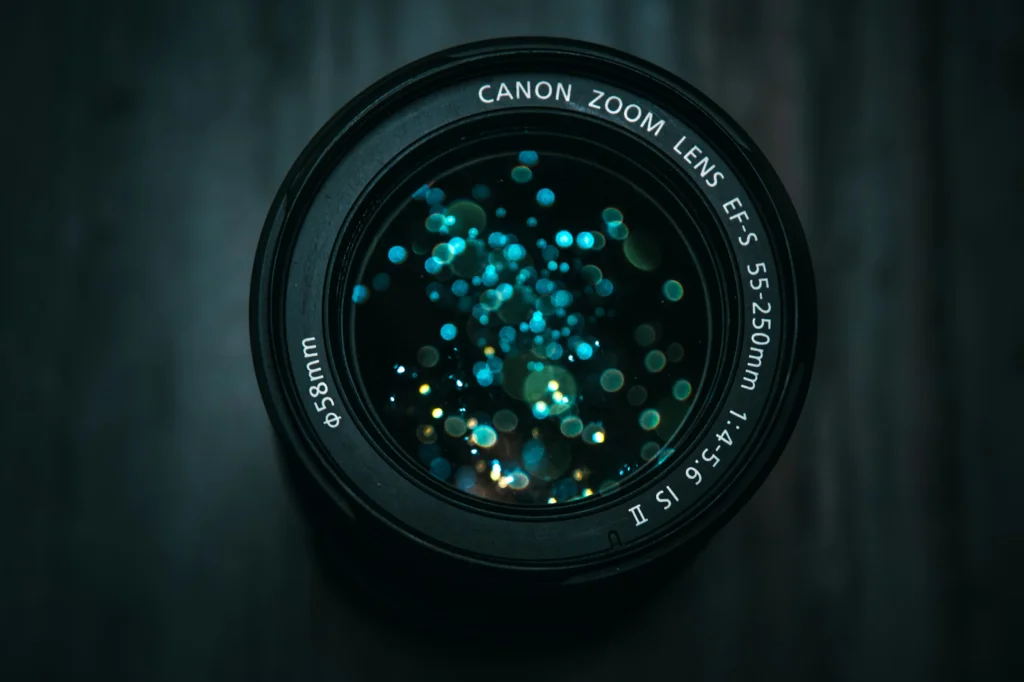
Night mode is one of the most impressive phone tricks of the last few years. A scene that looks almost black to the eye can suddenly turn into a bright, colorful photo with readable faces and visible buildings. That feels like magic, and sometimes it is exactly what is needed. The catch is simple: night mode is not just “more light.” Night mode is software making decisions, and those decisions can drift from truth.
A dim room with a bright screen is a perfect example. A quick photo of a phone showing x3bet online casino can look oddly processed in night mode, with the screen glow flattened and the surrounding shadows lifted into a smooth gray haze. The camera is not lying on purpose. The camera is averaging multiple frames, guessing what should be noise, and rebuilding detail that the sensor could not fully capture in one clean shot.
Night mode usually takes several images over a short time and combines them. This stacking reduces random noise and pulls out more detail from shadows. The phone also applies smart sharpening, color tuning, and local contrast changes to make the photo look crisp. Some devices add a form of “scene understanding,” trying to recognize skies, faces, windows, and street lights.
This is why a still scene can look fantastic. The more stable the phone and the calmer the subject, the more confident the software becomes. The moment motion enters the scene, the process gets messy. A moving face, a waving hand, or a passing car can turn into blur, ghost outlines, or strangely painted textures.
Night mode shines when the goal is memory and clarity, not perfect realism. A phone can rescue moments that would otherwise become dark mush. The most reliable wins show up in stable scenes with gentle light sources.
a city street with steady lamps and minimal movement
a portrait in soft indoor light with a calm pose
a restaurant table photo with candles and still hands
a landscape at dusk with a stable horizon
a museum or hallway scene where the phone can stay steady
a night skyline where lights stay in the same place
In these cases, night mode is doing what the brain already tries to do: adapt to darkness and pull meaning from limited light.
Problems appear when the scene lacks clean information. In very dark areas, the sensor collects almost nothing, so the software fills gaps. That “fill” can look convincing, yet it can also invent textures that were never there.
Artificial light makes this worse. Neon signs, LED screens, and mixed lighting can confuse color. Skin tones can shift warmer or greener. Dark skies can turn into a bright blue-gray that looks dramatic but wrong. Fine patterns like hair, fabric, or distant leaves can get smudged, then re-sharpened into a crunchy, fake crispness.
Another common issue is over-smoothing. Noise reduction can wipe away real texture and replace it with a plastic look. Walls become too clean. Shadows lose depth. The photo becomes a polished version of night rather than night itself.
Night mode needs time. Time creates blur risk. Even small movements can ruin stacking. A person breathing, a pet turning the head, or a musician moving hands can trigger ghosting. The phone tries to merge frames and ends up keeping parts from different moments.
This is why night mode often works best for environments and worst for action. A still building is easy. A dancing crowd is not. The software can either freeze motion with higher noise or smooth motion with odd artifacts, and neither option is perfect.
Night mode does not need to be avoided. It needs to be used with intention. A few simple habits can keep results closer to reality without losing the benefits.
hold the phone steady against a wall or table
let the exposure time stay shorter when movement exists
tap to focus on the true subject, not the brightest light
lower brightness in the frame by avoiding direct screen glare
take two shots, one with night mode and one without
keep lighting consistent instead of mixing several light sources
A comparison shot is especially useful. A normal photo can look darker, yet it often preserves real texture and true color better.
Night mode is not a neutral camera setting. Night mode is a creative tool that leans toward readability and drama. For social posts and personal memories, that can be perfect. For documentation, product photos, or anything that needs accuracy, a lighter touch often works better.
The most satisfying approach is simple: treat night mode like a helpful editor, not like an eyewitness. In the right scene, the editor saves the moment. In the wrong scene, the editor starts rewriting the story.
 Supriyo Khan
 Supriyo Khan
 Supriyo Khan
 Supriyo Khan
Want to add a comment?