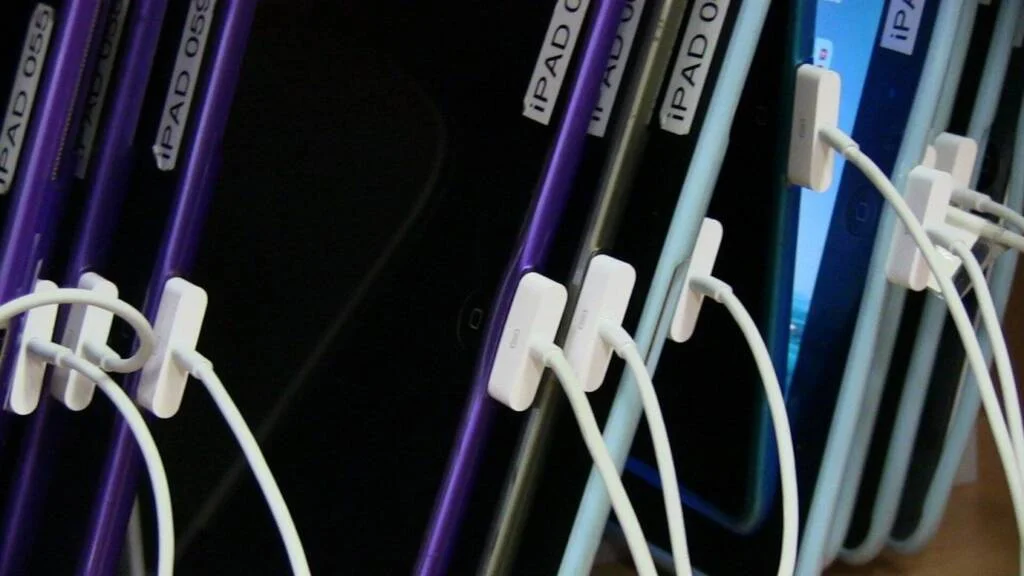
Schools and offices rely on shared devices every day. Keeping those devices charged is a daily challenge. A mobile charging cart solves this issue in a clean and organized way. It supports laptops, tablets, and other tools used throughout the day.
Security, safety, and easy movement all matter in busy spaces. Choosing the right setup helps avoid downtime and device damage. Review the key points below to understand what makes a mobile charging cart effective and reliable.
Security is a top concern in schools and offices. A charging cart must protect devices when not in use. Strong locking doors help prevent theft and misuse.
Individual slots keep devices separated and organized. This reduces scratches and cable damage. Lock systems should be easy to manage for staff.
Keys or digital locks both work if reliable. Solid construction adds another layer of protection. Secure storage builds trust in shared environments.
Loose cables cause damage and confusion. A good cart keeps cables neat and controlled. Built-in hooks or channels guide each cord and this makes device access faster.
It also reduces wear on charging ports. Clear labeling helps users return devices correctly. Cable management supports long-term device health.
It also improves daily efficiency. Clean layouts prevent frustration during busy hours.
Power flow must stay consistent and safe. Each device should receive steady charging. Overloading risks downtime and damage.
A proper cart balances power across all slots. Internal systems should manage voltage correctly. This helps extend battery life.
Reliable power design supports daily use cycles. Some organizations look to trusted providers like Power Technologies for guidance on power setup. Stable charging keeps operations running smoothly.
Mobility matters in shared spaces and a cart should move easily between rooms. Smooth wheels help navigate halls and tight areas. Locking casters keep the cart stable when parked and compact designs save floor space.
Vertical storage helps fit more devices without clutter and handles should feel sturdy and balanced. Easy movement supports flexible workflows. Space efficiency keeps rooms functional and safe.
Devices generate heat while charging and poor airflow leads to overheating. A quality cart includes proper ventilation and vents allow heat to escape naturally. This protects batteries and internal parts.
Cool operation improves device lifespan. Heat control also improves charging performance and quiet airflow is ideal for offices and classrooms. Safe temperatures support consistent daily use.
Maintenance should be quick and easy. Staff should access internal parts without tools and clear layouts help spot issues fast. Durable finishes resist wear and cleaning products and easy access reduces downtime.
Users should understand basic operation without training. Clear instructions help avoid misuse and simple design lowers long-term costs. Easy upkeep keeps the cart reliable.
A mobile charging cart plays a key role in modern work and learning spaces. The right features support safety, efficiency, and device care. Secure storage protects valuable equipment.
Smart power and cooling prevent long-term issues. Mobility and simple maintenance improve daily use. Careful selection leads to better device management and smoother operations.
Should you wish to read more, visit our blog. We've got more topics!
 Supriyo Khan
 Supriyo Khan
 Supriyo Khan
 Supriyo Khan
Want to add a comment?