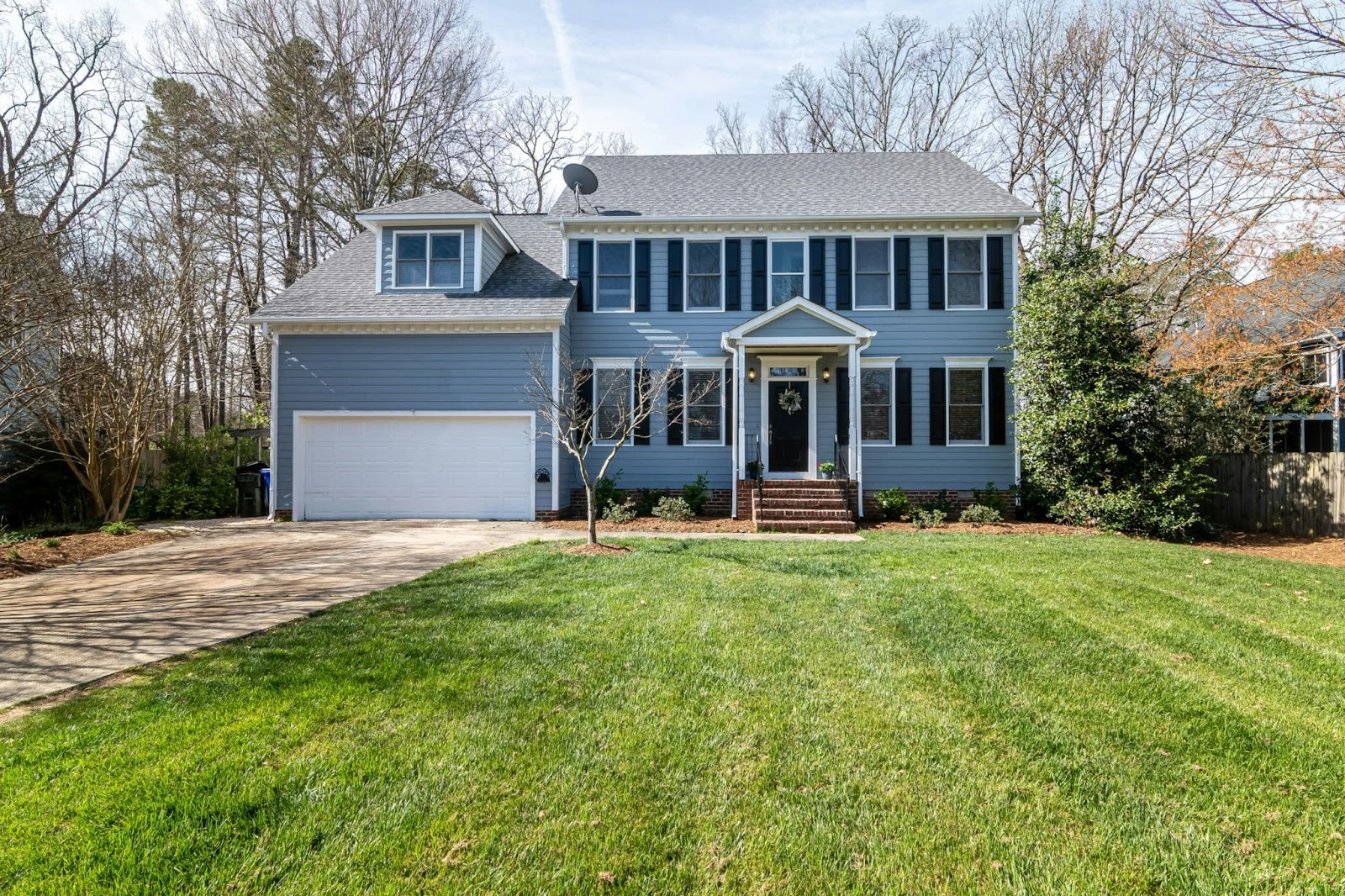
You've probably dreamed about building your own home. The reality? It's messier than you'd think. Colorado throws curveballs most out-of-town builders never see coming—soils that expand like sponges, wildfire zones with strict requirements, mountain weather that changes by the hour, and permitting processes that vary wildly from one county to the next.
Here's something else: the U.S. is short over 4 million housing units as of early 2024, which means you're competing hard for quality materials and skilled trades. That's exactly why partnering with a Colorado custom home builder who actually lives and breathes these local challenges matters so much. You get fewer nasty surprises, budgets that hold up, and a process that doesn't make you lose sleep. Understanding Colorado's quirks is step one—but what tangible benefits does local know-how actually bring to your project?
Let's be clear: local expertise isn't just about having a Colorado address. It's about knowing how regional engineering actually works, understanding what different city inspectors look for, designing assemblies that handle our climate extremes, and working with vetted subcontractors who won't ghost you mid-project.
The benefits show up in your wallet and timeline. Fewer change orders because someone spotted the drainage issue before excavation started. Faster permit approvals since the documentation anticipated every reviewer's question. Lower long-term maintenance because your siding and roofing were chosen for hail storms and UV exposure, not generic conditions.
Budget numbers that don't explode halfway through because they're based on Colorado pricing, not some national database that doesn't reflect our reality. Before you appreciate what local builders deliver, you need to grasp why Colorado presents such unique obstacles in the first place.
Our soils and frost depths aren't like other places. Get the foundation wrong, and you'll watch cracks spider across your basement walls. Experienced builders here—especially custom home builders in in colorado springs—design post-tension slabs, engineer proper fill, and create drainage systems that actually prevent heaving. Snow behavior changes dramatically with elevation and exposure. Does that roof design work fine in Denver? It could collapse under mountain snow loads.
We get intense UV and frequent hail—ask any insurance adjuster. You need impact-rated shingles, fiber cement siding, and sealants formulated not to break down under relentless Colorado sun. Many Colorado neighborhoods fall into Wildfire-Urban Interface zones. That triggers defensible space requirements, ember-resistant vents, and Class A roofing standards. Out-of-state builders routinely miss these until the plan reviewer sends back a rejection.
Wind patterns in the mountains demand serious air sealing and structural detailing. A local home builder Colorado residents trust already knows which assemblies actually last. Once you understand the climate and code complexity, the next advantage becomes obvious: how local teams use site intelligence to dodge expensive redesigns.
Smart builders start with what your land is actually telling them. Not generic assumptions—real understanding of how your specific lot behaves. Site-first planning begins with your lot's unique conditions—how sun, wind, and snow interact with your exact location.
Shading studies and wind analysis inform where windows go, what glazing specs make sense, how to orient covered outdoor spaces, and even driveway placement. Snow storage zones get planned upfront so spring melt doesn't turn your entryway into a river.
Comfort planning means thinking through mudroom placement, heated entry strategies, and gear storage that actually fits your skis, bikes, and winter equipment. Microclimate planning boosts comfort and efficiency, but proper water management protects everything from Colorado's aggressive spring runoff and sudden storms.
Swales, French drains, retaining walls, erosion control—these aren't things you figure out later. They're baked into the initial site design. Routing snowmelt and preventing ice on walkways protects both safety and your foundation's long-term integrity.
Colorado's clay soils and unpredictable weather make protecting foundations from hydrostatic pressure absolutely critical. With water management handled, the next site reality is utility access—a detail that derails timelines and budgets when discovered too late.
Well and septic feasibility, percolation testing, water rights questions—these need investigation early. Power, gas, and broadband planning prevent those mid-build trenching surprises that blow up costs. Mountain builds need winter access planning: staging areas, road agreements, and delivery constraints that urban-focused builders rarely encounter. Site planning creates the foundation, but actually getting approval means navigating Colorado's jurisdiction-specific permitting maze.
How fast you get approved depends entirely on understanding the exact rules your specific jurisdiction enforces.
Setback rules, height restrictions, and view corridor requirements—they're completely different between city, county, and mountain communities. HOA design reviews have common rejection triggers that experienced builders see coming a mile away.
Energy compliance varies, too. Some jurisdictions want REScheck, others demand detailed modeling. Knowing the rulebook helps, but submitting documentation that anticipates what reviewers will ask cuts weeks off your approval timeline.
Permit-ready submissions include structural notes aligned to local wind and snow loads, clear site plans showing drainage and grading, and proper energy modeling documentation.Pre-application meetings let local builders reduce revisions by clarifying expectations before the formal submission even happens. Beyond standard permits, many Colorado lots trigger wildfire requirements that non-local teams overlook until it creates delays.
Class A roofing, ember-resistant vents, ignition-resistant siding—these pass local WUI inspections. Decking and soffit details matter too. Defensible space coordination and lot clearing plans need documentation early in the process.Efficient permitting protects your schedule—but local expertise also delivers tighter budget control by eliminating pricing surprises.
Realistic budgets start with understanding Colorado-specific factors that drive pricing beyond generic national averages.
Seasonal labor availability and mountain logistics create premium pricing. Concrete and excavation costs swing wildly based on soil and rock conditions. High-performance windows and doors have longer lead times that affect scheduling. September 2024 data showed the nationwide average hourly wage for residential construction workers hit $33.51.
When skilled trades are expensive, labor efficiency and avoiding rework become absolutely critical. Understanding regional costs is essential, but ensuring every trade bid reflects identical scope and quality standards is equally important.
Allowances work when used correctly—but overuse creates budget creep fast. Getting true apples-to-apples trade bid comparisons requires detailed specifications.
Spec decisions that prevent mid-build upgrades include roofing system selection, siding choices that handle hail and UV, and flooring considerations for Colorado's low-humidity environment.
Clear specifications prevent comparison confusion, but even perfect plans need smart contingency strategies for inevitable unknowns.
Site unknowns require a different contingency than design changes. Timeline contingency for weather delays and inspection scheduling protects realistic expectations.Weekly cost tracking and decision deadlines keep everyone aligned and prevent those surprise invoices nobody budgeted for.
Start your search with concrete proof points validating their local experience and technical capabilities.
Ask for recent builds in similar elevation and soil conditions. Request energy testing results—blower door scores tell you a lot. Verify WUI experience if your lot requires it. Understand their warranty approach and what happens after you close.Beyond portfolios and credentials, asking smart questions during interviews reveals whether a builder truly gets Colorado's unique demands.
What are typical permitting timelines in your specific jurisdiction? What soil mitigation strategies did you use on recent projects? How do you plan for weather delays and handle winter builds? What's your preferred envelope assembly and why does it work here? The right questions uncover expertise, but certain warning signs should immediately raise red flags.
Excessive reliance on allowances, no documented construction process, vague schedules, we'll figure it out on site mentality—these all signal trouble ahead.
Shortlist builders with documented local builds. Schedule a site consultation and feasibility review. Align on budget range and separate must-haves from nice-to-haves. Begin concept design with climate and code requirements integrated from day one. Lock selections early to protect both schedule and pricing.
Both, actually. Local expertise prevents expensive redesigns and change orders while cutting permitting delays. The combination protects your budget and timeline while drastically lowering stress throughout the entire process.
Impact-rated asphalt shingles or metal roofing, fiber cement or engineered wood siding, and UV-resistant sealants all perform well long-term. Local builders know which specific products actually hold up in Colorado conditions.
Altitude affects combustion appliance performance and oxygen levels. Proper ventilation becomes more important. Heat pump efficiency varies with temperature extremes, so system sizing and backup heating need careful consideration.
Local expertise isn't marketing fluff—it's the difference between a smooth build and one filled with expensive surprises. Colorado's unique climate, challenging soils, complex permitting landscape, and tight trades availability demand builders who truly understand regional realities. When evaluating your options—including custom home builders in Colorado springs—choose a team with proven local experience, because that decision drives better design, stronger durability, faster approvals, and improved resale value. Don't settle for generic promises when your home deserves a team that knows Colorado inside and out.
 Supriyo Khan
 Supriyo Khan
 Supriyo Khan
 Supriyo Khan

Want to add a comment?