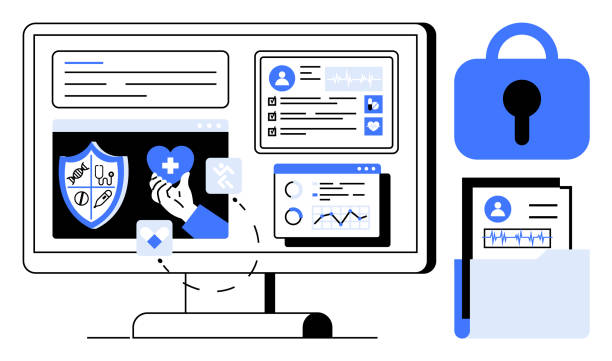
Healthcare was centered around doctors, hospitals, and paper records for a long time. Patients generally had very limited access to their medical records and almost no control over decisions. The process of making an appointment, obtaining test results, or understanding a treatment plan could take days or sometimes even weeks. Nowadays, this is being transformed by patient-centered healthcare platforms. The digital platforms provide patients with more control over their health.
Basically, patient-centered platforms refer to online systems and mobile applications that allow individuals to manage their healthcare. They make connections between patients and doctors, labs, pharmacies, and insurance providers.
What Does Patient-Centered Mean?
Patient-centered healthcare deals with the design of healthcare experiences and systems based on the needs, preferences, and values of the patient. It acknowledges that each patient's situation is different from a medical standpoint and from a personal perspective. Being patient-centered means that an individual's right to comprehend their health data, be involved in the decision-making process, and live their life in accordance with their own circumstances is respected.
This idea is being implemented by digital platforms, which are facilitating communication between medical professionals and patients, delivering access to personalized health information, test results, treatment plans, and follow-up reminders, all accessible from one place.
The Role of Digital Platforms
A patient- healthcare platform is generally a confidential online system that patients can reach via a computer or smartphone. Once they log in, they may be able to access information about their upcoming appointments, test results, prescriptions, doctor's messages, and educational materials for their condition. Furthermore, numerous platforms enable patients to request prescription refills, book appointments, and send questions to their care team directly.
Constant access to information is one of the ways this interaction helps to overcome the existing gap between patients and healthcare providers. Patients are no longer required to wait until an appointment to get their health updates they can check them whenever they want. Besides, they become better equipped for visits as they already have an idea of what is going on with their care.
One Place for All Health Information
A major advantage of digital healthcare platforms is the fact that they collect all patient data in a single secure location. This can encompass medical history, test results, prescriptions, vaccination records, and visit summaries.
Instead of making calls to clinics or transporting folders full of documents, patients can just download an app or go to a website. They can look at their most recent blood test results, go over previous diagnoses, or save reports if necessary. It not only saves time but also relieves stress.
Moreover, it enhances safety as well. When doctors have full and updated access to patients' information, they are less likely to be in a position to make errors such as prescribing a drug that is incompatible with another medicine a patient is taking.
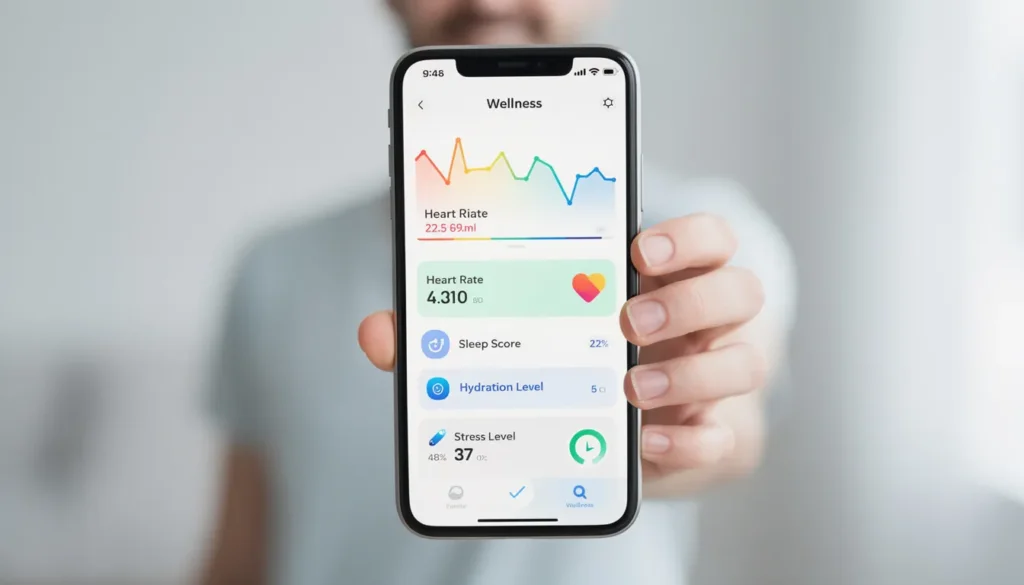
Another strong point of patient-centered platforms is personal health tracking. Patients can record everyday data like blood pressure, blood sugar levels, physical activity, and sleep patterns. Some platforms also facilitate connection with wearable devices like smartwatches.
Through this, a detailed picture of an individual's health can be developed over time. Doctors can figure out the trends rather than just one-time test results. This allows them to have better decision-making abilities and also gives them the opportunity to change the treatment plan based on real data.
Personalization, in particular, allows patients to be provided with advice that is based on their exact health condition. As a matter of fact, a person suffering from heart disease may get everyday instructions regarding diet, exercise, and stress release.
Essentially, patients obtain more control through the following means:
They have access to their complete medical records round the clock
They can communicate directly with healthcare providers
They are provided with tools that enable them to track their health data
They are sent personalized reminders and recommendations
These facilities transform patients from being mere onlookers to active partners in their care.
Data Security and Trust
Health data is extremely sensitive. Consequently, patient-centered platforms need to be compliant with strict security regulations in order to safeguard personal information. Some of the security measures include data encryption, strong user authentication, and well-defined access control.
Moreover, patients are given greater authority over the people who can access their data. They have the liberty of deciding which doctors, clinics, or family members can view their information. Such openness helps in establishing trust towards digital healthcare systems.
When individuals have confidence in the platform, they become more cooperative in providing accurate data. This, in turn, results in improved care and medical decisions.
How Digital Platforms Improve the Healthcare System
Patient-centered platforms are not only the individuals' helpers. They, in fact, uplift the entire healthcare system as well. By digitizing numerous routine tasks, doctors and nurses get time-saving benefits. They can thus allocate more time to seriously ill patients.
Moreover, digital systems are instrumental in doing away with large volumes of paperwork, cutting down administrative expenses, and quickening the processes of referrals, insurance claims, and follow-ups. Such measures make healthcare efficient and sustainable in the future.
For governments and health organizations, these platforms are sources of valuable anonymous data that can be used to understand public health trends, enhance services, and make better resource plans.
Challenges Still Exist
Despite all the advantages, patient-centered platforms are far from being perfect. There are some people who find it difficult to use digital tools, especially senior-aged patients and individuals living in areas without internet access. The digital divide that exists between different groups should be bridged through education and support provision.
Furthermore, there are doubts about data privacy and system security. Healthcare providers need to consistently upgrade their security measures to protect against cyber-attacks even though the technology is advancing.
Another difficulty is the integration of different systems. Hospitals and clinics are not universally using the same systems, thus connecting various platforms seamlessly still requires some work.
Conclusion
Patient‑centered healthcare platforms are redefining the way people perceive medical care. They allow patients to have access to their records, be given choices for treatment, provided with tools for progress tracking, and given channels for direct communication. As a result, healthcare becomes a partnership between the provider and the patient.
An informed and engaged person is in a much better position to participate in decisions that affect their well-being. Digital platforms are the enablers of this shift in power, thus giving patients the freedom to no longer be passive recipients of care but rather active stewards of their health. In doing so, they are not only empowering patients but also laying the groundwork for a healthcare system that is truly centered around the people it serves.
 Supriyo Khan
 Supriyo Khan
 Supriyo Khan
 Supriyo Khan

Want to add a comment?