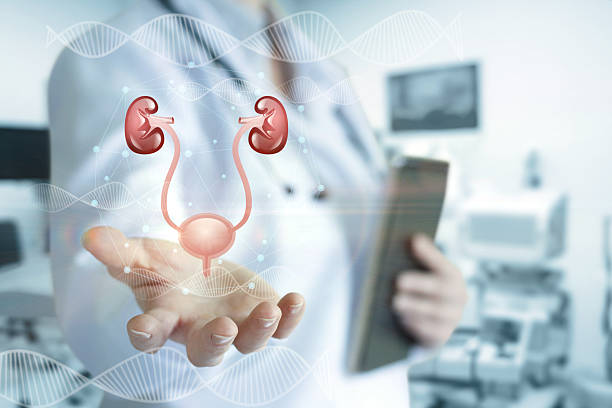
The human body operates through a symphony of interconnected systems, yet few are as vital—or as frequently misunderstood—as the renal and genitourinary tracts. For healthcare providers, the landscape of urological care is shifting rapidly. We are no longer simply managing symptoms; we are entering an era of precision diagnostics and robotic intervention that restores quality of life with unprecedented accuracy. Whether you are a general practitioner in the UAE or a specialist looking at the expanding medical hubs of the Middle East, staying abreast of these clinical milestones is essential for patient outcomes.
In the current clinical environment, the shift toward early detection has redefined the trajectory of chronic conditions. We have moved past the era of "wait and see" for lower urinary tract symptoms (LUTS). Today, multi-parametric MRI (mpMRI) and advanced biomarkers have become the gold standard in triaging patients, particularly those presenting with elevated Prostate-Specific Antigen (PSA) levels. This diagnostic precision reduces the burden of unnecessary biopsies and allows for a more tailored approach to patient management. For those operating within a high-tier urology hospital in Dubai, the integration of AI-driven pathology and real-time imaging fusion is no longer a luxury—it is the baseline for evidence-based practice. These tools allow us to differentiate between indolent and aggressive pathologies, ensuring that our intervention is as minimally invasive as possible while remaining oncologically sound.
The link between urological health and metabolic function is profound, especially as we see a global spike in kidney stone cases. Today’s clinical standards push us to look past the immediate need for surgery; instead, we must prioritise thorough metabolic evaluations for those who suffer from recurring stones to stop them before they start. This is a massive public health hurdle in hotter regions like the UAE, where chronic dehydration makes stone formation far more common. Thankfully, the field of endourology has taken huge leaps forward. We now use high-power thulium fibre lasers and retrograde intrarenal surgery (RIRS) to break down even the most stubborn staghorn calculi with far more ease than before. We are seeing a similar, radical change in how we handle Benign Prostatic Hyperplasia (BPH), moving toward much more sophisticated, long-term management strategies. We are seeing a move away from traditional TURP toward minimally invasive surgical therapies (MISTs) like water vapour thermal therapy and prostatic urethral lifts. These procedures offer significant relief from obstructive symptoms while preserving sexual function—a primary concern for the modern patient.
The surgical theatre has undergone a digital transformation. Robotic-assisted radical prostatectomy (RARP) and robotic partial nephrectomy have set new benchmarks for surgical precision, offering decreased intraoperative blood loss and shorter hospital stays. This technological leap is particularly evident when we look at the infrastructure of a premier hospital in Dubai, where state-of-the-art Da Vinci systems are utilised by internationally fellowship-trained surgeons. For the healthcare provider, this means referring patients to centres that prioritise "nerve-sparing" techniques and functional recovery. The goal is no longer just "survival" or "clearance," but the total restoration of continence and potency. By leveraging these robotic platforms, surgeons can navigate the complex anatomy of the pelvis with a degree of visualisation that was simply impossible a decade ago.
Urological malignancies—specifically bladder, renal, and testicular cancers—require a cohesive, multidisciplinary team (MDT) approach. The NHS framework has long championed the MDT model, and this "gold standard" of collaborative care is now a hallmark of leading institutions worldwide. From the initial hematuria clinic assessment to the complexities of neobladder construction, the synergy between urologists, oncologists, and specialised nursing staff is what drives survival rates. We are seeing incredible promise in the realm of immunotherapy and targeted molecular therapies for metastatic renal cell carcinoma. As practitioners, our role is to act as the primary navigators for these patients, ensuring they have access to clinical trials and the latest genomic testing to guide their systemic treatment.
At the heart of urological practice lies the delicate balance between clinical efficacy and patient dignity. Conditions like urinary incontinence, pelvic organ prolapse, and erectile dysfunction carry a heavy psychological burden. High-quality urological care must be empathetic and accessible. Whether it is through the implementation of sacral neuromodulation for refractory overactive bladder or the latest in penile prosthetic surgery, our objective is to return the patient to their baseline social and personal life. By focusing on these "quality of life" indicators, healthcare providers can build a foundation of trust that extends beyond the clinic walls. The future of urology is not just about the machines we use, but the human-centric results we achieve.
 Supriyo Khan
 Supriyo Khan
 Supriyo Khan
 Supriyo Khan

Want to add a comment?