Key Takeaways
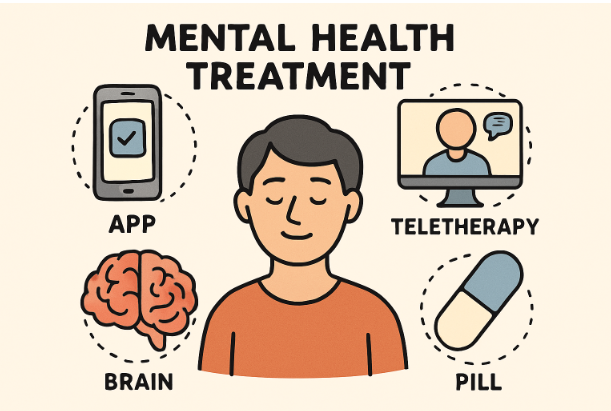
Emerging technologies are revolutionizing mental health care, offering new avenues for treatment.
Digital therapeutics, psychedelic-assisted therapies, and AI-driven tools are at the forefront of these innovations.
Integrating these approaches can enhance the accessibility and effectiveness of mental health treatments.
Table of Contents
Introduction
Digital Therapeutics: The Rise of App-Based Treatments
Psychedelic-Assisted Therapies: A New Frontier
Artificial Intelligence in Mental Health Care
Integrative and Multimodal Approaches
Teletherapy and Remote Care
Conclusion
The field of mental health care is undergoing a transformation, driven by a surge of innovative approaches and new technologies. These advancements not only expand access to care but also introduce greater personalization and flexibility to treatment plans. By integrating digital tools and modern therapies, individuals are finding more effective ways to manage their mental health. This is particularly impactful in regions eager for new solutions, such as mental health treatment in Colorado Springs, where evolving modalities are being embraced.
From app-based interventions to revolutionary psychedelic therapies, modern mental health treatment is no longer confined to the traditional therapist’s office. New approaches such as digital therapeutics, teletherapy, and artificial intelligence are expanding support options, ensuring more people receive the specialized care they need regardless of their location or circumstances.
This article takes a closer look at these innovative pathways, examining how emerging approaches are shaping a future in which mental health care is more effective, adaptable, and accessible to all.
Patients who previously struggled to find effective treatments can now access a diverse range of options tailored to their unique needs. As these breakthroughs become increasingly mainstream, the landscape of mental health care continues to evolve at a rapid pace, promising hope and healing for many.
Trusted industry leaders and widely recognized innovators support these changes.
Digital Therapeutics: The Rise of App-Based Treatments
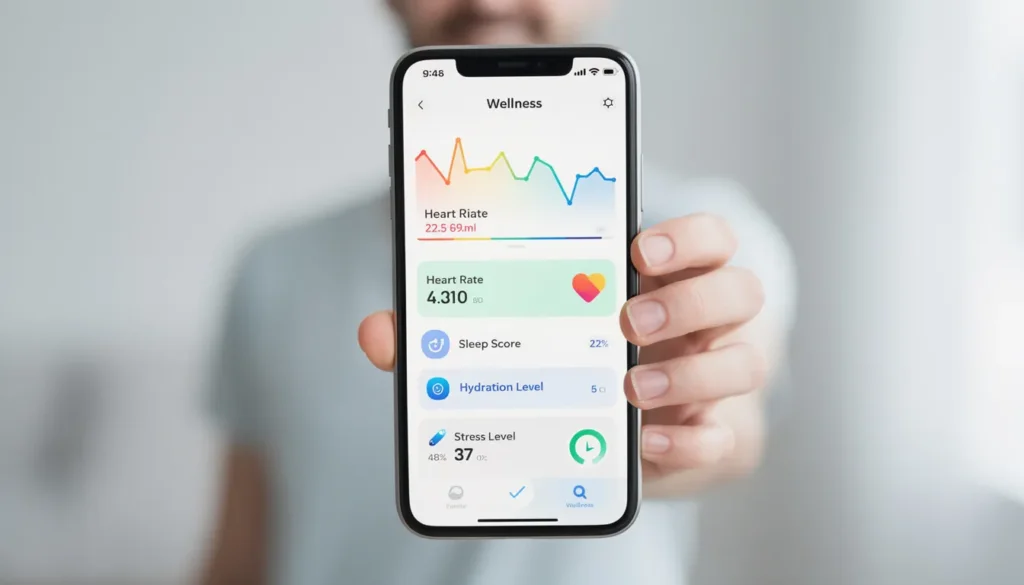
Digital therapeutics represent one of the most exciting advancements in recent mental health innovation. Through the use of specialized smartphone and web-based applications, mental health concerns such as depression, anxiety, and stress disorders can be addressed in ways that are flexible and user-friendly. For example, the Rejoyn app, approved by the FDA, uses evidence-based, task-driven exercises to positively influence neural communications related to mood regulation and emotional processing. By incorporating these digital tools, patients are empowered to take an active role in their own therapeutic journey, often between or alongside their regular therapy sessions. This evolution allows for more timely intervention and a continuous support framework beyond the clinic setting.
Psychedelic-Assisted Therapies: A New Frontier
Psychedelic-assisted therapies are emerging as powerful tools in the treatment of stubborn mental health conditions. Substances such as ketamine, psilocybin (commonly found in “magic mushrooms”), and MDMA show significant promise, particularly when conventional therapies have fallen short. Companies like NUE Life Health are pioneering ways to provide controlled, at-home ketamine treatments, leveraging telemedicine for professional guidance and support. This new frontier is being shaped by ongoing research and clinical trials, with promising outcomes for conditions like treatment-resistant depression and severe anxiety. As the regulatory environment adapts to this innovation, more patients may soon gain access to safe and effective psychedelic-assisted care, supported by both digital technology and professional oversight.
Artificial Intelligence in Mental Health Care
Artificial intelligence is revolutionizing mental health diagnostics and personalized care options. By analyzing vast amounts of data from electronic health records, wearable devices, and self-reports, AI systems can help identify warning signs of mental health crises even before symptoms reach a critical point. These systems can also suggest highly personalized treatment plans tailored to individual history and symptom patterns, ensuring a more responsive and precise approach to care. For example, AI-powered chatbots offer round-the-clock support and guidance, helping users manage stress, depressive episodes, and even connect with human counselors during urgent moments.
Integrative and Multimodal Approaches
Increasingly, clinicians are adopting integrative approaches that blend traditional and innovative therapies into a personalized care plan. These multimodal pathways may combine talk therapy and medication management with digital interventions, mindfulness practices, and even virtual reality exposure therapy. By looking at the patient as a whole, considering physical, emotional, and technological influences, integrative approaches promise better long-term outcomes. This flexibility ensures that patients are supported through a variety of channels, often resulting in higher satisfaction and improved symptom management.
Teletherapy and Remote Care
Teletherapy has become a mainstay in mental health services, significantly expanding access for individuals who may face barriers to in-person sessions. Through secure video conferencing platforms, patients can connect with licensed therapists without leaving their homes. This convenience is especially valuable for those with mobility limitations, geographic obstacles, or restrictive schedules. Teletherapy allows for regular check-ins, ongoing support, and treatment continuity, making mental health care more attainable and sustainable for people everywhere. As digital adoption increases, teletherapy continues to bridge access gaps and ensure more equitable mental health outcomes.
Conclusion
The ever-evolving landscape of mental health care is being shaped by a suite of innovative approaches, including digital therapeutics, psychedelic-assisted treatments, AI-integrated diagnostics, and accessible teletherapy services. These pathways are not only expanding access but also personalizing support and offering new hope to individuals seeking effective mental wellness solutions. As these transformative modalities gain acceptance and adoption, the future holds the promise of a more responsive, comprehensive, and inclusive approach to mental health treatment for everyone.
 Supriyo Khan
 Supriyo Khan
 Supriyo Khan
 Supriyo Khan

Want to add a comment?