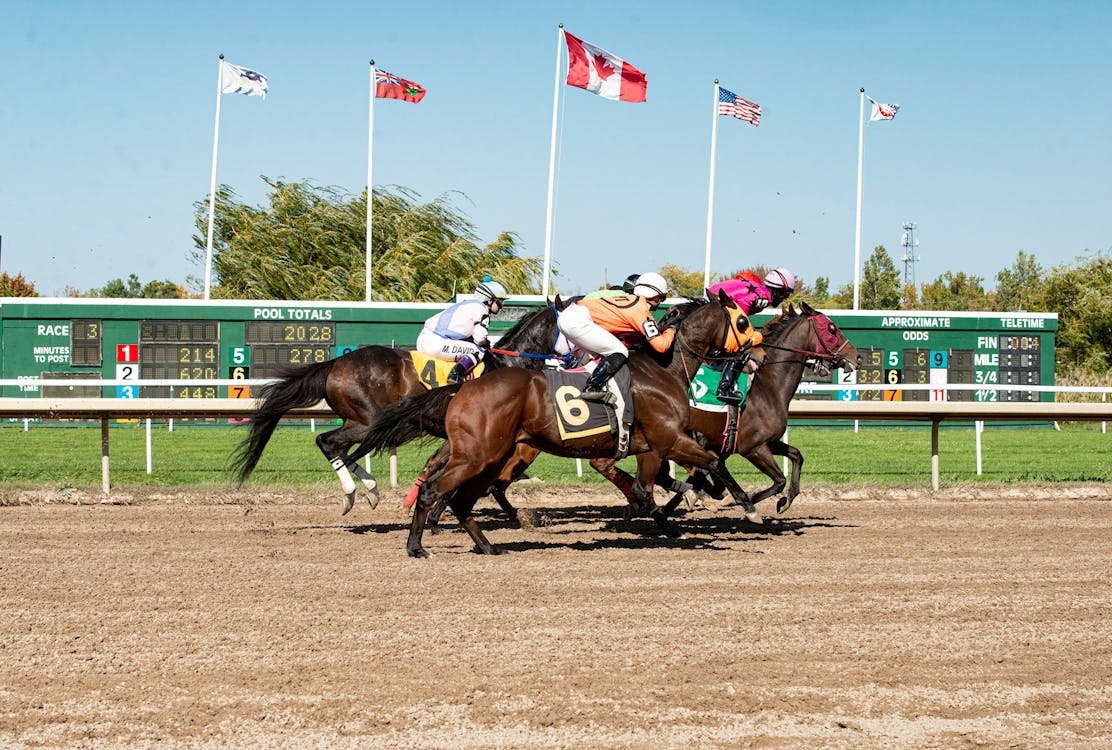
While horse racing form can appear complex initially, it provides a clearer, more confident view of each race. Even if your goal is simply to appreciate the sport and enjoy a day at the track, form guides tell a detailed story about how each horse has performed, what conditions suit it best and what might happen next. With a little practice, the numbers and abbreviations become useful clues instead of a confusing puzzle.
A racing form is simply a short story about a horse’s past races. It shows where it ran, how it finished, what kind of surface it faced and what type of competition it handled. Instead of having to watch every old race, the form lets you skim the highlights.
Those scattered numbers are not random. They show finishing positions. The extra letters and symbols help explain unusual things that might have happened, like interruptions in a race or difficult track conditions. Form is less about perfect prediction and more about spotting a pattern.
Even though form guides vary in appearance, they all tell you the same essential details. You will see the horse’s age and weight, the trainer and jockey listed. All of that matters because experience, weight carried, and good partnerships often shape how a horse performs.
Pay special attention to the race class, which tells you the strength of the competition. A horse running well in a tough crowd often deserves more credit than a horse winning in an easy one. The starting position, or draw, also plays a bigger role than many people realise. A horse stuck wide might have to travel farther, while a horse on the inside may save precious ground.
The line of numbers you see under each horse’s name reflects its recent race results. Something like 3 1 5 2 means third, first, fifth and second in order. Letters sometimes appear, too, especially in certain racing styles. They are not always signs of trouble. Sometimes they just mean the horse had to pull up, or the race conditions changed suddenly.
The trick is to look past the numbers and think about the situation. Was the horse running on dirt or turf? Was the distance long or short? A horse might look inconsistent until you notice it performs better on one type of surface or at one particular distance range. Matching past conditions with today’s race gives you a more realistic picture.
Horses are sensitive athletes, and many things can affect their performance even when the form looks steady. A few of the biggest influences include: track conditions, pace setup, distance fit, jockey changes, recent workload or rest
Track conditions are a factor that can have a big impact on performance. Some horses glide over soft, wet ground while others struggle badly on anything that is not firm. The weather also changes the whole race landscape, and quick showers can turn a confident pick into a long shot.
Class simply describes the level of horses a runner has been competing against. Moving down in class usually makes for an easier race, while stepping up introduces tougher opponents. A horse that runs fourth in a high-class race might actually have more ability than a horse that wins at a much lower level.
When reading form, always compare the class of today’s race with the class of past races. It tells you whether the horse is meeting rivals above its usual level or finally getting a chance to shine.
Pace is a detail new fans do not pay much attention to, but it is an important factor in most races. Some horses tend to break sharply and take early control of the race’s pace. Others prefer sitting behind the leaders before making a late move.
Think of pace as the rhythm of the race. Too many front-runners can exhaust one another, allowing the closers to sweep in. But a lone frontrunner may coast comfortably at the front. Even for beginners, observing which horses prefer to lead versus chase provides valuable insight into how a race may develop.
Every horse carries a pattern if you look closely enough. Maybe you notice a young horse steadily improving with each race. That is often a promising sign. Maybe another horse always fades in the final stretch when the distance gets too long. That usually means the trip is not right for it.
Trainers often change tactics or equipment when they feel a horse needs a different approach. A new jockey or even a small gear adjustment can spark a stronger performance. On the flip side, if a horse repeatedly struggles under the same conditions, the form is telling you something important.
As you get familiar with the form, it helps to lean on expert guidance to speed up your understanding. Professionals often point out patterns the average viewer might overlook, such as subtle pace dynamics or shifts in class that explain why a horse performs the way it does.
Resources like FanDuel Research break down races, highlight key performance factors and offer clear examples of how experienced analysts interpret form, making it easier to connect what you read on the page with what unfolds on the track.
Once you blend that expert insight with your own observations, horse racing becomes far more enjoyable. Races stop feeling like a blur and more like stories. You notice which horses look confident, which ones found a perfect position early and which ones surprise with a late move.
Once you learn how to read racing form, the sport becomes far more engaging. You gain a sense of each horse’s journey, the challenges they face, and the strategies that may unfold during a race. The goal is not perfection but enjoyment and understanding.
With practice and curiosity, the abbreviations and numbers transform into meaningful stories that make every race more exciting. Over time, you begin to notice patterns in trainers’ methods, jockey strategies, and how different track conditions affect performance. This deeper insight allows you to appreciate the skill, preparation, and nuances behind each race, turning every viewing into a richer, more informed experience.
Even if you’re simply following races for fun, understanding form gives you the context to anticipate key moments, recognize potential surprises, and enjoy the unfolding drama with far greater awareness.
 Supriyo Khan
 Supriyo Khan
 Supriyo Khan
 Supriyo Khan

Want to add a comment?