Picture this: you're three hundred miles from home, steam billowing from under the hood, and your perfect vacation just turned into a tow-truck nightmare. Sound familiar? Here's the thing: most breakdowns don't have to happen. When you prepare your car for a road trip the right way with a thorough road trip car checklist, you're buying yourself better mileage, safer highways, and way fewer headaches.
We're walking through everything: car maintenance before road trip essentials, a detailed pre-trip inspection for the car, and long-distance driving preparation tactics, including the tech setup nobody talks about and smart scheduling that keeps you moving.
Walk around your vehicle and look for the obvious stuff that screams "fix me first." Not every drive is created equal. How far you're going, what terrain you're crossing (think Rockies versus flatlands), brutal heat, hauling a trailer, roof cargo, and how much weight you're packing, all of this beats on your car differently.
Match your prep intensity to reality. Mountain passes in July with a packed car and a full passenger load? Your cooling, brakes, and tires need serious attention. Adjust accordingly. Once you've spotted warning signs or high-stress conditions, bring in professional eyes for a comprehensive inspection that goes way beyond topping off the oil.
A quick lube job won't cut it, you need someone checking the systems that fail quietly until they leave you stuck. Drivers around Houston heading out on longer trips often book comprehensive checks at Northwest Hyundai, where techs use factory-level diagnostics and can verify any open recalls.
Located at 19120 Northwest Fwy, it's accessible for families across Spring, Tomball, Cypress, and Conroe to knock out pre-trip service in one appointment. Booking ahead gives you breathing room if parts need ordering. When you're ready for a complete evaluation, you can book an inspection and maintenance at your local hyundai dealership to get OEM-spec service, recall confirmation, and trip-ready tire plus brake testing all at once.
Ask for a full OBD scan, including pending codes, "no light on" isn't good enough. Get actual brake pad measurements, rotor condition reports, and a brake fluid moisture check. Make sure they test your charging system: battery health and alternator output under real load. Request a cooling system pressure test plus radiator cap check to find slow leaks.
Have them look at suspension and steering: ball joints, tie rods, and control arm bushings. Get tire tread depth numbers and check manufacturer dates, old rubber is dangerous even when it looks fine. Finally, have them swap or inspect your cabin air filter for better AC and fresher air.
Verify all maintenance intervals are current: oil, filters, coolant, plugs. Run your VIN through the manufacturer's recall database and save digital copies of service records on your phone. Add roadside assistance and insurance numbers to your contacts now, not when you're sitting on the shoulder.
With professional inspection done and records updated, focus on the single component that matters most for safety, fuel costs, and breakdown prevention: your tires.
Tires are literally your only connection to pavement, and they're usually the most ignored part of the car.
Inflate to the door-jamb spec when cold, and bump it up if you're carrying heavy loads per your manual. Don't forget the spare, full-size or donut, it needs proper pressure too. Under-inflated rubber overheats on interstates and tanks your fuel economy by up to three percent.
For long hauls, replace tires before they hit legal minimums to keep wet traction. Uneven wear means alignment or suspension trouble, fix it before you leave. Bald patches or feathering? Red flag.
Check the DOT date code on the sidewalls, replace anything over six years old, even if the tread looks decent, especially if you see cracking. Look for bubbles, cuts, or debris embedded deep that could blow at seventy miles per hour. Heat destroys aging rubber.
Car drifting? Pulling to one side? Steering wheel crooked? You need alignment. Feathering on tread edges confirms it. Balancing kills highway vibration and makes tires last longer.
Properly sorted tires keep you safe, but your engine, transmission, and brakes need clean, full fluids to survive hundreds of highway miles without cooking or failing.
Fluids are cheap insurance against catastrophic failures.
Pull the dipstick and check the level and color, top off if needed. Within a thousand miles of your next change? Do it early. Use correct viscosity for conditions: thicker for summer heat, thinner for cold. Fresh oil cools better and protects harder.
Check the coolant in the reservoir and radiator when cold. Inspect hoses and clamps for cracks or mushiness. Use test strips to confirm freeze/boil protection. Weak coolant can't manage heat, especially on climbing grades.
Brake fluid sucks up moisture over time, dropping its boiling point and risking fade on mountain descents. If it's dark or hasn't been changed in three years, swap it. Check transmission level and color if there's a dipstick, sealed systems need dealer diagnostics. Top off the power steering if your car uses it.
Summer equals bugs, tons of them. Use bug-removing washer fluid and pack an extra gallon for extended runs. A filthy windshield cuts your vision fast.
Fresh fluids protect internally, but summer trips demand your cooling system and AC perform flawlessly to stop overheating and keep everyone comfortable when temperatures spike.
Heat destroys engines and wrecks vacations.
Fire up the car, crank the AC, and confirm both cooling fans spin. Listen for bearing whine or squealing. Weak thermostats cause sluggish warm-ups or overheating on climbs. Water pump leaks or bearing issues often show as coolant drips near the engine front.
Test vent temps with a thermometer, 40 to 50 degrees Fahrenheit is normal. Swap your cabin air filter to boost airflow and kill musty smells. AC smells funky? Evaporator cleaning fixes it.
Avoid long idling in extreme heat, move the vehicle or shut it down. On steep climbs, downshift to keep RPMs up and coolant flowing. After steep descents, idle briefly to cool before shutting off.
Staying cool matters, but stopping safely and maintaining control at interstate speeds requires brakes and suspension in peak shape, especially on mountain descents or emergency stops.
Your brakes face harder work on road trips than on daily commutes.
Get pads and rotors measured, replace them near service limits. Brake fade on long descents is real, and fresh fluid with good pads stops it. Squealing, grinding, or pulsing? You're overdue.
Worn struts or shocks cause bouncing, nose-dive, and uneven tire wear. Steering slopes or clunks at speed are dangerous. Car feels floaty or drifts in crosswinds? Suspension needs checking.
Solid braking and handling give you control, but modern trips demand serious electrical power, phones, GPS, portable coolers, dashcams, making battery and charging health non-negotiable.
Dead batteries top the roadside assistance call list.
Get a load test and cold-cranking amp measurement, clean terminal corrosion and check tightness. Replace batteries over four years old if you're heading remote. "Starts fine" isn't enough for a two-thousand-mile run.
Test charging voltage at idle and under load, 13.5 to 14.5 volts is normal. Weak alternators show as dimming lights or sluggish power windows. Running inverters, portable fridges, or air pumps? Confirm your alternator can handle it.
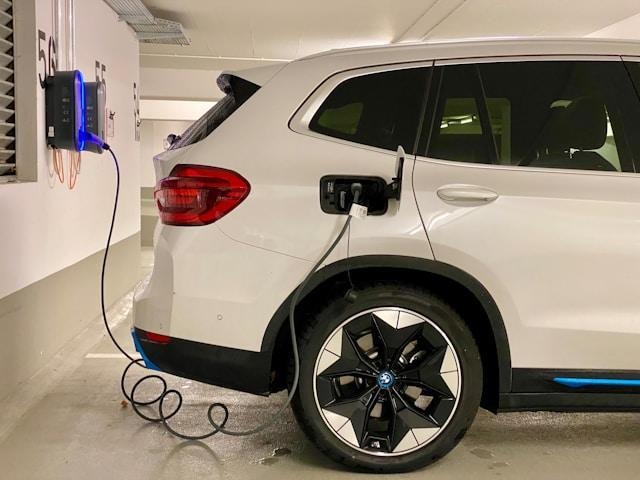
Check 12V battery health, it kills trips even in hybrids and EVs. Confirm your charging plan, download apps, and verify backup station locations. Tire pressure impacts range more than you realize. Precondition the cabin before unplugging to save range.
Strong battery powers electronics, but it also runs lighting and wipers that become critical when the weather turns, or darkness falls, visibility failures are totally preventable.
You can't dodge what you can't see.
Check headlights (aim and brightness), brake lights, turn signals, hazards, and fog lights. Have someone confirm everything works while you walk the perimeter. Replace any dead bulbs now, not at midnight on a dark two-lane.
Swap streaking blades and clear clogged washer nozzles. Fix windshield chips before temperature swings crack them wide. Good wipers and clean glass aren't optional for rain or bugs.
Clear visibility gets you through storms, and now it's time to leverage technology: offline maps, ADAS calibration, and real-time vehicle monitoring catch mechanical issues before they explode.
Modern cars have sensors and tech that help, if you maintain them.
Download offline maps and pre-save stops: fuel, rest areas, repair shops. Share the trip ETA with someone you trust. Dead zones are real, don't count on constant cell coverage.
Clean cameras and radar for lane-keep and adaptive cruise. Test on a short drive before departure. Dust, rain, or snow disable these systems, know when to take over manually.
Confirm TPMS works and all sensors respond. Carry a compact OBD scanner for code visibility on the road. Recommended apps display live coolant temp and voltage during travel.
Technology gives navigation and information advantages, but when systems fail or emergencies hit in remote zones, the right physical tools, safety gear, and repair items become your lifeline.
 Supriyo Khan
 Supriyo Khan
 Supriyo Khan
 Supriyo Khan

Want to add a comment?