Endometriosis involves tissue growth similar to the uterine lining, occurring outside the uterus. This growth reacts to hormonal changes during the menstrual cycle, leading to inflammation. Here are several uncommon symptoms of endometriosis:
Asymptomatic endometriosis is the presence of tissue growth outside the uterus without the woman experiencing noticeable symptoms. They may have mild, non-specific symptoms, such as lower back pain, which are easily overlooked or attributed to other conditions. This issue may be indicated by difficulty conceiving, recurrent pregnancy loss, or failed IVF treatments, leading to unexplained infertility. Because there are no obvious symptoms, doctors may not diagnose the condition early enough. Sometimes, the condition is found during fertility evaluations or surgical procedures.
Asymptomatic endometriosis damages internal organs without pain. Over time, it may lead to inflammation, scar tissue, and harm to reproductive organs, affecting both fertility and overall health. Sometimes, doctors use specialized tests to assess the probability of asymptomatic endometriosis without requiring surgery.
Gastrointestinal issues, such as irritable bowel syndrome, are among the uncommon symptoms of endometriosis. These comprise a range of symptoms that occur when endometrial lesions affect the bowel or other parts of the digestive system. Specific symptoms of gastrointestinal distress associated with endometriosis include:
Bloating
Painful bowel movements
Changes in bowel habits
Nausea
Bloating causes visible abdominal swelling or a feeling of fullness, which can vary throughout the menstrual cycle. Inflammation results in scar tissue and adhesions that distort bowel loops and other organs, disrupting normal bowel function and movement, and leading to pain during defecation. Bowel habits change, often alternating between diarrhea and constipation, due to hormonal fluctuations, cyclical inflammation, and physical alterations in bowel structure. Inflammatory chemicals irritate visceral nerves linked to the stomach and intestines, causing nausea.
Chronic fatigue is persistent exhaustion that does not improve with rest and might affect daily functioning and concentration. Its main cause is the body’s ongoing immune response to the misplaced endometrial-like tissue. The immune system releases cytokines to fight this tissue, leading to systemic inflammation and a feeling of exhaustion. Patients may experience persistent pain, which is physically draining, disrupts sleep quality, and contributes to daytime fatigue and difficulty completing routine activities.
Endometriosis is associated with other conditions that may contribute to fatigue, such as hypothyroidism and mood disorders like anxiety or depression. Due to pain and exhaustion, women with endometriosis may adopt more sedentary lifestyles. Reduced physical activity can decrease muscle strength, cardiovascular fitness, and overall energy levels, further contributing to persistent fatigue.
Nerve-related discomfort often starts in the pelvis and can be experienced in other areas of the body as it affects nearby nerves. Common types include sciatica, leg discomfort, and upper body sensitivity. Sciatica typically involves sensations that extend from the lower back through the buttocks and down the back of the leg and may fluctuate throughout the menstrual cycle.
During the menstrual cycle, changes in tissue and circulation can increase pressure in the pelvic region, which may be felt along the sciatic pathway. Signals from the pelvic area can sometimes be interpreted as coming from the hip or leg. Pelvic muscle tension may also develop, potentially creating additional sensitivity in the surrounding hip and leg muscles. These experiences can occur alongside conditions such as endometriosis.
Abnormal bleeding in endometriosis may occur due to hormonal imbalances and physical changes in the reproductive organs. Inflammation from tissue growth may affect the normal function of the uterus and the regular shedding of its lining. Elevated estrogen levels can promote the overgrowth of both the endometrium and ectopic tissue, leading to increased shedding.
Progesterone resistance associated with the condition can contribute to irregular periods and heavier bleeding. In some cases, new blood vessels may develop within lesions or the uterine lining, which sometimes also play a role in increasing bleeding. These factors together can make menstrual cycles less predictable and more challenging to manage.
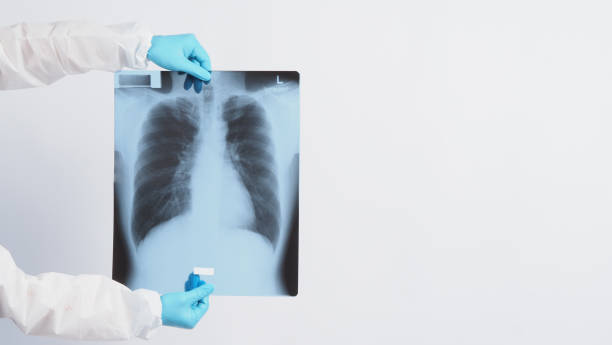
Endometrial tissue potential might develop within the chest cavity, affecting the diaphragm and lungs. It can cause sharp, persistent pain that often worsens with deep breaths or coughing during menstrual periods. These symptoms may require evaluation and guidance from a healthcare professional. Contact a reputable women’s healthcare provider to learn more about available services, support, and potential management options.
 Supriyo Khan
 Supriyo Khan
 Supriyo Khan
 Supriyo Khan

Want to add a comment?