Recovery doesn’t announce itself politely. One day you feel okay. The next, everything feels heavy. Fatigue. Restlessness. Mood swings. Cravings hit like waves. Understanding the 7OH withdrawal timeline helps. You see the patterns. You know rough days won’t last forever. It makes the process a little less terrifying. You can plan.
You can breathe. You can move forward, one step at a time. It’s not easy. Some moments still feel overwhelming. But knowing there’s a structure helps you keep going.
Withdrawal is messy. It’s physical. And emotional. Your body aches. Your mind races. Feeling frustrated, hopeless or even helpless during detox is perfectly normal; that doesn't indicate failure; your body simply has to adjust, learning to function without using substances as its support system anymore.
Symptoms will come over time. Headaches. Fatigue. Irritability. Sleepless nights. Some days feel manageable. Others feel impossible. Planning around these patterns helps. Knowing what lies ahead helps you plan meals, rest breaks and mini breaks more easily - even something as small as scheduling time for walking or stretching can make a significant impact. Planning can give you control when things feel chaotic!
An old-school routine may sound dull, but in times of turmoil it can be essential. Wake up and go to sleep around the same time each day; have regular meals each time; exercise daily (even for just 10 minutes). Stretch. Walk around the block. Do light yoga. These small actions help your mood and your body adapt to the changes.
Start small. Don’t overwhelm yourself. Journaling for five minutes. Deep breaths after breakfast. Even washing the dishes mindfully counts. Tiny steps add up over time. You’ll notice progress you didn’t expect. That’s powerful. It keeps you motivated. Over time, these little habits become a structure that holds you steady during the hardest days.
Food affects recovery more than you realize. Lean proteins. Whole grains. Fruits and vegetables. Steer clear of processed snacks and sugary drinks which cause energy surges only to crash later, worsening symptoms further.
Water is your friend - sip often and keep a bottle within reach! Small drinks and meals throughout the day may help relieve headaches and fatigue; eating multiple, smaller meals throughout the day allows energy levels to remain more consistent without sudden drops occurring as often. Your body has already endured enough. Little choices like these reduce extra strain. Over time, it makes the days feel more manageable.
Mindfully eating is also key. Pay attention to what signals your body gives off; sometimes food may provide comfort while at other times hunger should take the forefront. Simple meals are sufficient; no need for elaborate cooking! Your body doesn't require extravagance. It needs nourishment and consistency.
Your mind will test you. Anxiety. Irritability. Feeling low. It’s all part of the process. Simple actions can help. Writing down your thoughts. Meditation. Gentle walks outside. Talking to someone you trust—even briefly—can calm your racing mind.
Break tasks into smaller steps. Celebrate small wins. Got through a craving without giving in? That’s huge. Followed your routine even when drained? Another win. These small victories add up. They build confidence. They remind you that recovery isn’t about perfection. It’s about movement forward, even if slow.
Sometimes you’ll feel isolated. That’s normal. One supportive person can make a difference. They don’t need to have answers. Just their presence matters. Even a text message can remind you that you’re not alone.
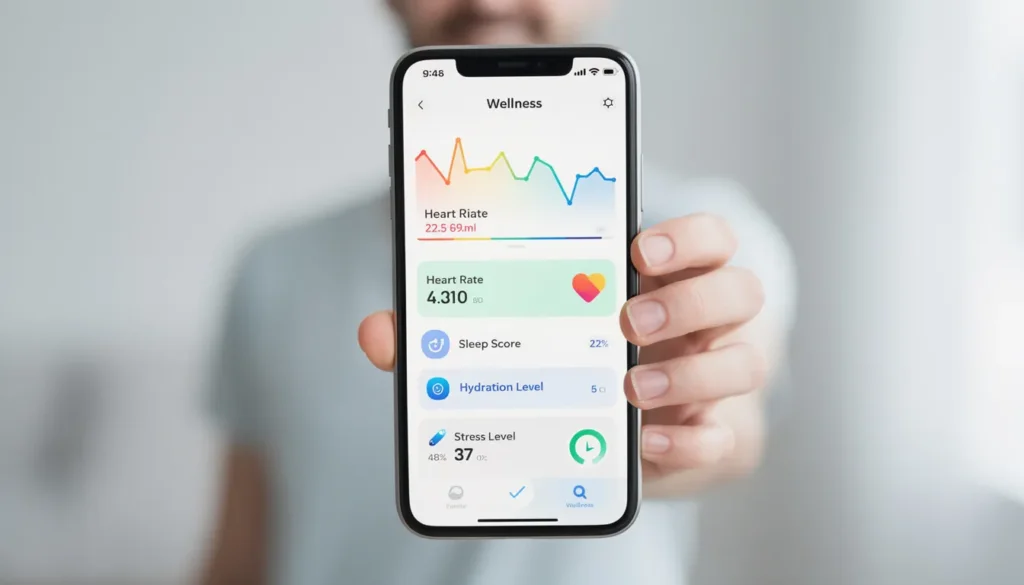
Tracking your moods, energy, or cravings helps you see patterns. A simple journal works fine. Even small notes help. Seeing progress, even tiny improvements, keeps you motivated.
Recovery isn’t a race. It’s your journey. Compare today to yesterday. Not to someone else. Checking the 7OH withdrawal timeline now and then reminds you that rough days pass. Peaks and dips happen. It’s normal. You learn to ride the waves.
 Supriyo Khan
 Supriyo Khan
 Supriyo Khan
 Supriyo Khan
Want to add a comment?