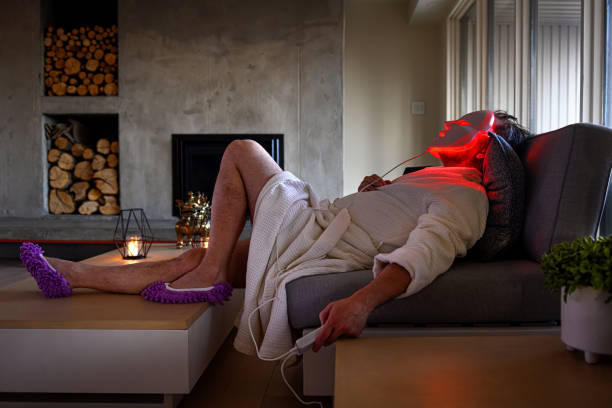
Light therapy is becoming an increasingly common part of modern wellness culture as people search for simple, non-invasive ways to support their health. With lifestyles growing busier and more screen-focused, many are turning to technology-assisted self-care methods that are easy to incorporate into daily schedules.
Read on to learn how light-based treatments offer a practical option for individuals looking to complement their fitness, recovery, and relaxation routines without complex equipment or medical procedures.
Why Light Therapy Is Gaining Popularity
One of the main reasons light therapy is appealing is its accessibility. Unlike many clinical treatments, light therapy devices are designed for home use and do not require professional supervision. This allows people to experiment with routines that suit their personal schedules. Many users prefer short, consistent sessions rather than longer, irregular treatments, since this approach is easier to maintain over time.
Modern consumers also value wellness tools that align with productivity. Devices such as a red light therapy belt provide localized treatment while allowing users to move freely. Wearable designs are particularly useful for people who want to integrate wellness practices into daily activities like reading, working from home, or relaxing after exercise.
Supporting Physical Recovery and Comfort
Light therapy is commonly associated with supporting muscle recovery and improving physical comfort. Red and near-infrared wavelengths are often used because they can reach deeper tissue layers without generating heat or discomfort. Many fitness enthusiasts include light therapy as part of their post-workout recovery strategy.
While it is not a substitute for medical treatment, light therapy is frequently used as a complementary practice. Users often combine light exposure with stretching, hydration, and balanced nutrition to support overall physical maintenance. The convenience of home devices makes it easier for people to stay consistent with recovery habits.
Mental Wellbeing and Daily Rhythm
Mental wellness is another area where light therapy has attracted attention. Modern lifestyles often involve long hours indoors under artificial lighting, which can affect natural sleep-wake patterns. Exposure to specific light wavelengths may help support the body’s internal rhythm, particularly during darker seasons or for individuals with irregular schedules.
Many people use light therapy during morning or evening wind-down periods. Morning exposure can help promote alertness and energy, while evening sessions are often associated with relaxation. This flexibility allows users to adapt therapy sessions to personal routines rather than forcing lifestyle changes.
Technology and the Future of Wellness
Advancements in wellness technology are making light therapy devices smaller, smarter, and more efficient. Features such as adjustable intensity, programmable sessions, and wearable formats are becoming more common. These improvements help reduce barriers for people who are new to light-based treatments.
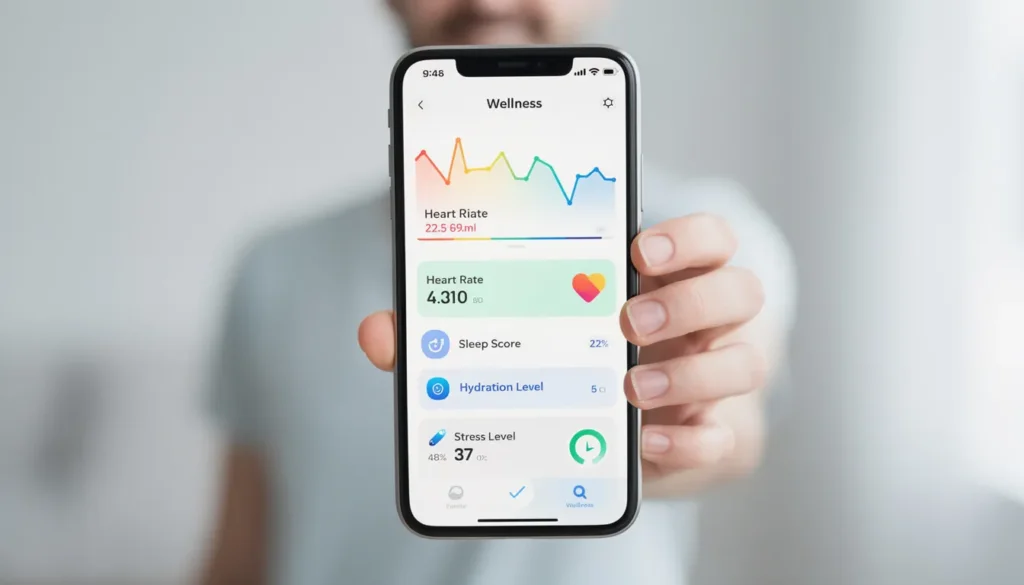
Another emerging trend is the integration of light therapy with broader digital health ecosystems. As wellness monitoring tools become more sophisticated, light therapy may be combined with sleep tracking, fitness data, and personalized health recommendations.
Building Sustainable Self-Care Habits
The greatest strength of light therapy lies in its simplicity. Instead of requiring major lifestyle adjustments, it encourages small, regular actions that can fit naturally into everyday life. Many users appreciate that they can maintain wellness routines without spending large amounts of time or effort.
As awareness of preventative health continues to grow, light therapy is likely to remain a popular option for people seeking practical, science-informed wellness tools. Its combination of convenience, versatility, and low-impact treatment makes it well suited to modern living, where efficiency and balance are highly valued.
 Supriyo Khan
 Supriyo Khan
 Supriyo Khan
 Supriyo Khan
Want to add a comment?