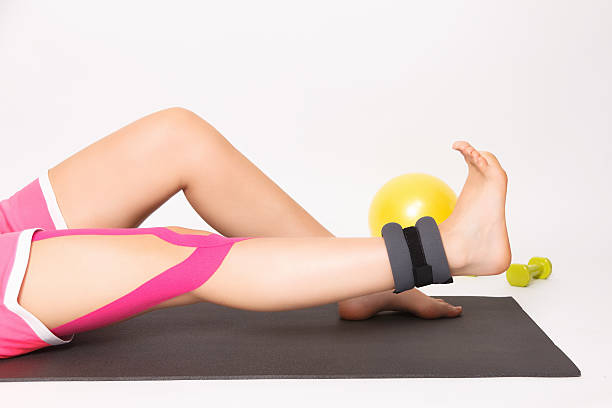
Ever felt your kneecap slide out of place during a game or even just a simple twist? It's one of those injuries that can catch you completely off guard. Your kneecap, or patella, is supposed to glide smoothly in a groove at the end of your thighbone. But sometimes, things go wrong, and understanding why can help you protect yourself from this painful experience.
Your kneecap sits in a delicate balance, held in place by ligaments, tendons, and the shape of your knee joint. When this balance gets disrupted, the kneecap can shift laterally—usually toward the outside of your leg. This isn't just random bad luck. There are specific reasons why some people experience this injury more than others.
Some of us are born with knee structures that make dislocations more likely. These aren't flaws you did anything to cause; they're just part of how your body developed.
Common structural factors include:
Athletes know this injury all too well. The sudden stops, pivots, and direction changes in sports create the perfect storm for knee injuries. Patellar dislocation often happens during basketball, soccer, gymnastics, or dance when you're making quick movements that your knee wasn't quite ready for.
But you don't have to be a professional athlete to be at risk. Even weekend warriors or people trying a new workout routine can experience this if they push too hard too fast.
Activities that increase your risk:
Here's something that surprises many people: once you've dislocated your kneecap, you're significantly more likely to do so again. That first dislocation can stretch the ligaments that hold everything in place, making your knee less stable than before.
Weak thigh muscles, particularly your quadriceps, also play a huge role. These muscles act like shock absorbers and stabilizers for your knee. When they're not strong enough to do their job correctly, your kneecap doesn't have the support it needs.
Muscle-related risk factors:
If you've experienced a kneecap dislocation, you know it's not subtle. The pain is immediate and intense, and you'll likely see visible deformity in your knee. Sometimes the kneecap pops back into place on its own, but other times it needs medical attention to relocate.
Don't ignore recurring feelings of instability in your knee, even if you haven't had a complete dislocation. That sensation of your kneecap "wanting to slip" is your body's warning sign that something needs attention, whether that's physical therapy, strengthening exercises, or a medical evaluation.
Understanding these causes puts you in a better position to protect your knees. Strengthening exercises, proper warm-ups, and knowing your body's limitations can go a long way toward preventing this painful injury.
 Supriyo Khan
 Supriyo Khan
 Supriyo Khan
 Supriyo Khan
Want to add a comment?