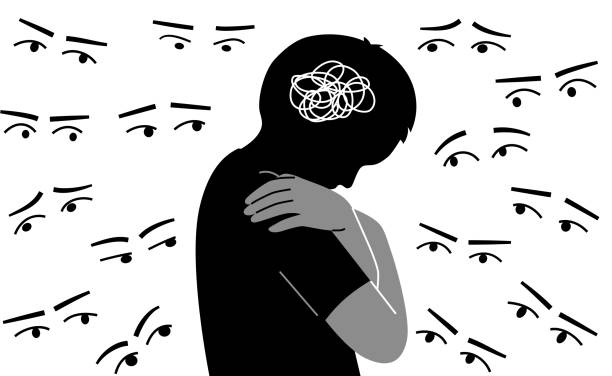
If it feels like “everyone” is anxious lately, you are not imagining it. Many teens are juggling heavier academic pressure, constant digital exposure, sleep disruption, and real uncertainty about the future, all while their brains and bodies are still developing. Public health data also shows youth mental health has been worsening over the last decade, with many teens reporting persistent sadness and distress.
Anxiety is not just “stress.” It is a pattern of worry, fear, and physical symptoms that can interfere with school, friendships, family life, and self-confidence. Understanding why anxiety is so common in adolescents can help parents, caregivers, and teens recognize the difference between normal nerves and something that deserves support.
Teen years come with major brain, body, and identity changes. Adolescents are learning how to handle strong emotions, social feedback, and long-term consequences, often for the first time. That alone can create anxiety, even in supportive homes.
At the same time, anxiety disorders are among the most common mental health conditions overall, which means many teens are predisposed to anxiety due to genetics and brain chemistry.
Many teens live in a 24/7 feedback loop: posts, likes, streaks, group chats, and algorithm-driven content that can make it feel like everyone else is doing better. The American Psychological Association’s advisory notes that social media can offer connection, but certain features and design patterns can also increase risks for some youth, especially those already experiencing mental health symptoms.
Sleep and anxiety feed each other. When teens are sleep-deprived, their ability to regulate emotions drops, and worries feel bigger and more urgent. The American Academy of Pediatrics highlights how social media can impact sleep quality and offers guidance for healthier habits, especially around bedtime routines and screen use.
Grades, tests, college expectations, sports, and extracurriculars can create chronic performance stress. For some teens, anxiety becomes a constant internal voice saying, “If I mess up, my future is over.” That kind of pressure is hard for developing brains to carry without support.
Many adolescents report worrying about what comes next: safety, finances, climate concerns, family stability, and whether life will feel manageable. Youth mental health reporting from the CDC emphasizes that many teens are struggling emotionally, and those stressors often show up as anxiety.
Busy schedules plus more screen time can mean fewer moments to decompress, fewer unstructured friendships, and fewer chances to “reset” emotionally. When teens do not have consistent restorative time, anxiety can become the default state.
Anxiety rarely travels alone. It commonly co-occurs with depression, irritability, panic symptoms, disordered sleep, and sometimes substance use. A national data brief from HRSA on adolescent mental and behavioral health highlights meaningful differences in functioning for teens with diagnosed mental health conditions, including school engagement challenges.
This overlap matters because untreated anxiety can spill into every part of a teen’s life, including motivation, relationships, and self-esteem.
Some worry before a test or a big event is normal. It may be time to seek help when anxiety:
lasts for weeks or months
causes physical symptoms (stomachaches, headaches, racing heart, nausea)
leads to avoidance (school refusal, social withdrawal, quitting activities)
disrupts sleep or appetite
creates frequent panic or shutdown moments
makes daily life feel unmanageable
If you are noticing these patterns, you do not need to wait for a crisis to get support.
Effective treatment is usually skills-based and practical, helping teens understand anxiety triggers and build tools to manage them. Common supports include:
individual therapy (often CBT-style approaches)
group therapy and peer support
family involvement to improve communication and reduce conflict
routines that support sleep, nutrition, and stress regulation
For teens who need more structure than weekly therapy, higher levels of outpatient care can provide consistent support while they still live at home.
If you’re exploring options, The Berman Center provides outpatient programming and describes structured care that can help people build coping skills and regain balance. You can learn more about anxiety treatment in Atlanta.
What’s one small step you can take this week?
If a teen’s anxiety is affecting school, sleep, friendships, or daily functioning, consider starting with a professional assessment. You do not have to have all the answers. You just need a clearer picture of what’s going on and what level of support fits best.
 Supriyo Khan
 Supriyo Khan
 Supriyo Khan
 Supriyo Khan

Want to add a comment?