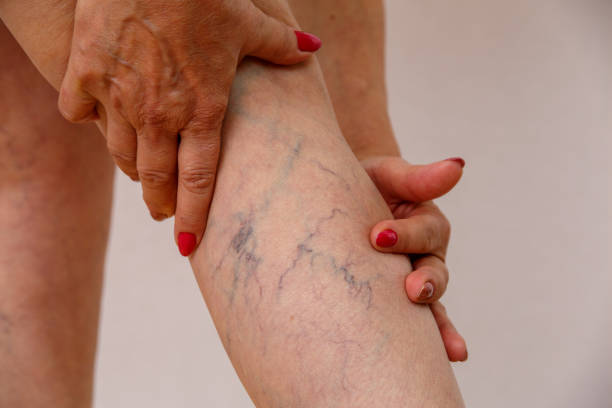
While most people view vein issues as cosmetic problems, some may require more than a superficial solution. Sometimes, treating veins has to be done medically. Identifying the signs and symptoms makes it easier to avoid further health issues down the road. Knowing when someone needs intervention gives people the information necessary to make decisions about their health.
More often than not, the sight of visible veins triggers a fear of scrutiny. But aching, swelling, and heaviness could be a sign of a more serious issue. Therefore, if prolonged standing or sitting aggravates your discomfort, it indicates poor blood flow. Discoloration of the skin, itchiness, or sores around the ankles can be signs of disease in the underlying veins. Getting ahead of these manifestations averts crucial complications. Medical symptoms such as persistent swelling or pain can indicate the need for vein treatment in Queens.
Some health issues often require immediate attention to your veins. Chronic venous insufficiency is a condition where the walls or valves of the vein stop functioning properly, allowing blood to collect in the legs. The pooling causes permanent swelling and pain, as well as fatigue. If left untreated, it can result in skin changes and open wounds called venous ulcers. These wounds can easily get infected, complicating recovery.
However, neglecting to address serious vein problems can lead to deadly complications. Untreated, this can lead to blood clots or deep vein thrombosis. Sometimes these clots travel to the lungs, resulting in a condition known as pulmonary embolism, which can be life-threatening. Regular checkups produce early knowledge of detected risks that influence the treatment plan.
Vein disease can make it difficult to get around and be independent. Some people cannot walk or exercise because of leg pain and swelling. Routine tasks like going grocery shopping or doing laundry can prove difficult. The fatigue and irritability caused by a lack of sleep are often due to the chronic discomfort that is present. Accessing medical assistance can help alleviate discomfort and make daily living better.
Healthcare professionals have various ways and means to diagnose these vein issues. It normally starts off with a comprehensive bodily examination. Doctors will likely recommend an ultrasound scan to check blood flow and identify damaged veins. Sometimes people have other symptoms, and a test is needed to rule out the reason for that. If treated early, the chances of successful treatment are very high.
Strategies available for medical intervention may include the following. By supporting the flow of blood as it should go, compression stockings are often able to provide some relief at the very least. Additionally, doctors often prescribe medication to alleviate pain and swelling in affected areas of the body. For more serious cases, they may even recommend minimally invasive procedures like vein ablation or sclerotherapy. Surgery is uncommon but available for the advanced illness.
What determines coverage for vein treatment is whether the procedure is deemed medically necessary. Most insurance requires some sort of symptom documentation (like pain, swelling, or skin breakdown). Evidence from medical records and your test results suggests there is a need for an intervention. Seeking the help of a physician guarantees proper paperwork and will give you a better chance of approval to be treated.
Small adjustments make it easier to avoid further complications with veins. Exercise promotes proper blood circulation, and it reduces the strain on leg veins. Putting up the legs while being rested may help reduce swelling and tiredness. Also, when lazing about, wearing supportive shoes and standing will pay off. Maintaining a healthy weight reduces the likelihood of developing additional vein problems.
Prompt attention to symptoms can prevent complications and guarantee better health outcomes. Those who seek early treatment tend to recover faster and have fewer long-term effects. Ignoring the patient's condition can lead to chronic pain, infection, and disability. Seeking medical attention quickly can enhance individuals' self-assurance and reduce physical limitations in their daily lives.
When symptoms no longer allow a good quality of life or compromise health, venous treatment becomes necessary. It helps individuals get assistance before things worsen if they are aware of warning signs. Through the advice of medical specialists and proper procedures, individuals can control signs and symptoms while safeguarding their overall health for the long run. With conscious selection comes an active and comfortable life.
 Supriyo Khan
 Supriyo Khan
 Supriyo Khan
 Supriyo Khan
Want to add a comment?